
Need a cost effective TP (Tmall Partner) to sell in China?
We are an Official Tmall Partner e-commerce Agency. Our Services: E-Commerce, Search Engine Optimization, Advertising, Weibo, WeChat, WeChat Store & PR.
Selling clothes in China’s rapidly evolving fashion market in 2024 requires a blend of Digital business and an understanding of the latest trends.
Here are eight tips designed to help you navigate this dynamic landscape successfully:
1. Embrace E-commerce Giants
- Navigating the Digital Silk Road: Tap into established e-commerce platforms like Tmall, JD.com, and Pinduoduo. Create an engaging storefront and leverage their vast logistics and payment systems to reach millions of consumers.
2. Leverage Social Commerce
- The Social Fabric Weaves Sales: Platforms like WeChat, Douyin, and Xiaohongshu are not just social networks but powerful sales channels. Use live streaming, influencer partnerships, and social storefronts to engage directly with consumers.
3. Sustainability Sells (time are Changing in China)
- Eco-Chic: With a growing awareness around sustainability, emphasize your brand’s eco-friendly practices and materials. Highlight sustainability in your marketing messages to resonate with environmentally conscious consumers.
4. Localize Your Brand Product Design – Marketing – Content
- Cultural Couture: Adapt your brand to fit Chinese tastes and preferences. Consider collaborating with local designers to create exclusive collections that pay homage to Chinese culture and aesthetics.
5. Invest in KOLs and KOCs
- Influencers are the New Runway Models: Key Opinion Leaders (KOLs) and Key Opinion Consumers (KOCs) can dramatically influence buying decisions. Partner with them for authentic endorsements and to tap into their followers.
6. Optimize for Mobile everything
- Pocket-Sized Fashion Shows: Ensure your online presence is mobile-friendly, with easy navigation and fast loading times. Most online shopping in China happens on smartphones, so a seamless mobile experience is crucial. And WeChat …. (not email 😉 )
7. Utilize Data and AI
- The Algorithmic Designer: Employ big data analytics and AI to understand consumer behavior, predict trends, and personalize marketing efforts. Tailoring your approach can significantly increase conversion rates.
8. Engage Through Storytelling
- Narrative Threads: Chinese consumers appreciate a good brand story that connects them emotionally to the product. Use storytelling to highlight your brand’s heritage, craftsmanship, or unique design philosophy. Storytelling is Magic
Successfully selling clothes in China in 2024 will require a mix of digital savvy, cultural sensitivity, and a commitment to innovation. By following these tips, you can position your brand to thrive in one of the world’s most lucrative and competitive fashion markets.
Revenue is expected to show an annual growth rate of 9.8%, resulting in a projected market volume of US$454m by 2025.
Today the fashion market in China is increasingly digitizing. First of all, it must be considered that Chinese fashion-loving consumers pay close attention to the latest trends. And right on the web they search for information and offers on their favorite clothes and accessories.
the apparel market in China in 2024
the apparel market in China was undergoing significant transformations, reflecting broader economic, technological, and social trends. Here are five key trends and data points shaping this landscape:
- Sustainable and Ethical Fashion: Increasing environmental awareness among Chinese consumers is driving demand for sustainable and ethically produced apparel. Brands that prioritize eco-friendly materials and sustainable practices are gaining popularity. The “Green Consumption” campaign, supported by the Chinese government, further encourages this shift.
- Athleisure and Sports Apparel Surge: The health and wellness trend has led to a boom in the athleisure and sports apparel segment. Brands like Li-Ning and Anta have seen substantial growth, benefiting from an increased focus on fitness and active lifestyles, as well as national pride in local brands.
- Personalization and Customization: There is a growing demand for personalized and customized apparel, driven by younger consumers seeking unique and individualized fashion statements. Advances in technology are enabling brands to offer more tailored options and limited-edition collections through online channels.
- Digitalization and Innovation: The integration of technology in the fashion industry, from AR/VR fitting rooms to AI-driven fashion recommendations, is enhancing the shopping experience. Social commerce, particularly through platforms like WeChat, Douyin, and Xiaohongshu, is also playing a crucial role in influencing fashion trends and purchasing decisions.
- E-commerce Dominance: The shift towards online shopping has been particularly pronounced in China’s apparel market. E-commerce platforms like Tmall, JD.com, and Pinduoduo have become primary sales channels. In 2022, online retail sales of apparel and accessories in China continued to grow, accounting for a significant portion of total apparel sales in the country.
International brands have many opportunities to sell their clothes in China. Here we explain to you how.
1 . Your clothes company must have an official website indexed on Baidu
Visibility (with trust) is the most important thing in China. To succeed your company must create an official website on Baidu, the most popular search engine in China (70% of queries).
Accustomed to deal with many products, Chinese consumers are very slow in their decision-making process. Particularly when it comes to online purchases.
China Smart Buying habits
Chinese consumers go through a particularly long process before deciding to puy a new dress. They also pay close attention to the products to verify that they are not counterfeit, accustomed to moving in a market also famous for copies.
They first look at the advertising photos of the products – they give them a first impression. Then they move on to the description and all the details related to the product. To win the trust of the Chinese consumer it is therefore essential to include a coherent and detailed description.
To rank on Baidu your website must:
- Be translated in Chinese, because Baidu gives greater visibility to website in Chinese;
- Be hosted in China, because no one will open and pay attention to a slow website;
- Have localized content according to Chinese tastes
2. Lead generation for Get Contacts of wholesellers and retailers
Leads generation marketing is a strategy to get potential customers (clothing distributors/ factories) to come to you. With the internet, and businesses looking for information directly online, lead generation has become a powerful tool. With a lead generation strategy, not only you do not have to do calls anymore, but you can build your reputation online, let the customers come to you, and do their researches before they talk with you. You can educate them with blog posts, videos, etc.
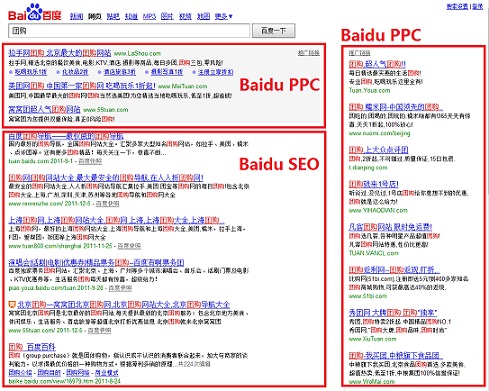
3. Baidu SEO & SEM
Combining SEO & SEM is important. To achieve success in Baidu marketing campaigns, it is very effective to create a strategy that combines SEO and SEM, as both have a very significant weight in the visibility results attributed to the algorithm of the platform. Through SEM it is possible to sponsor sites with targeted campaigns. In this way, your brand’s site will get a better online reputation, an increase in visitors, and of course a higher market return.
Baidu SEO focuses on Keyworlds ranking throught landing page optimisation, original content, PR, forums and Q&A.
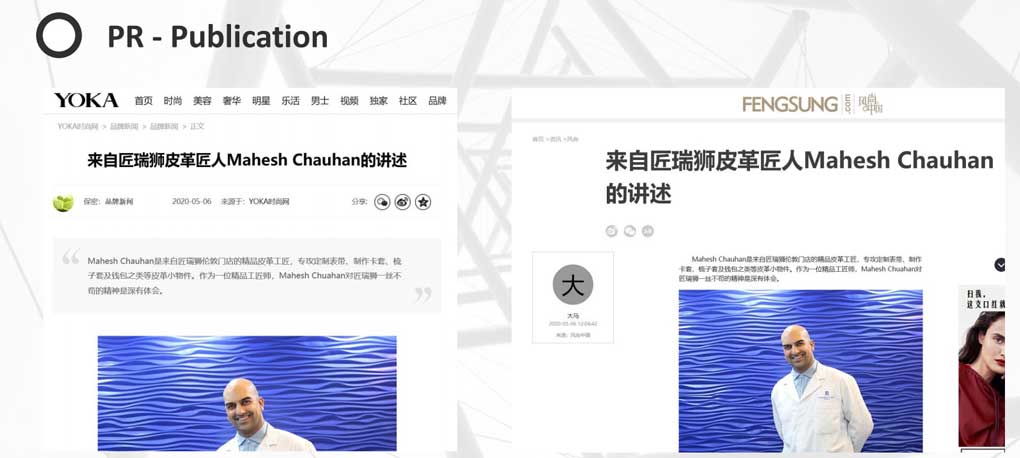
To access Baidu SEM activities it is necessary to use Baidu Tuiguang 百度 推广, that is the platform dedicated to SEM activities.
4. Create a WeChat official Account to create a community
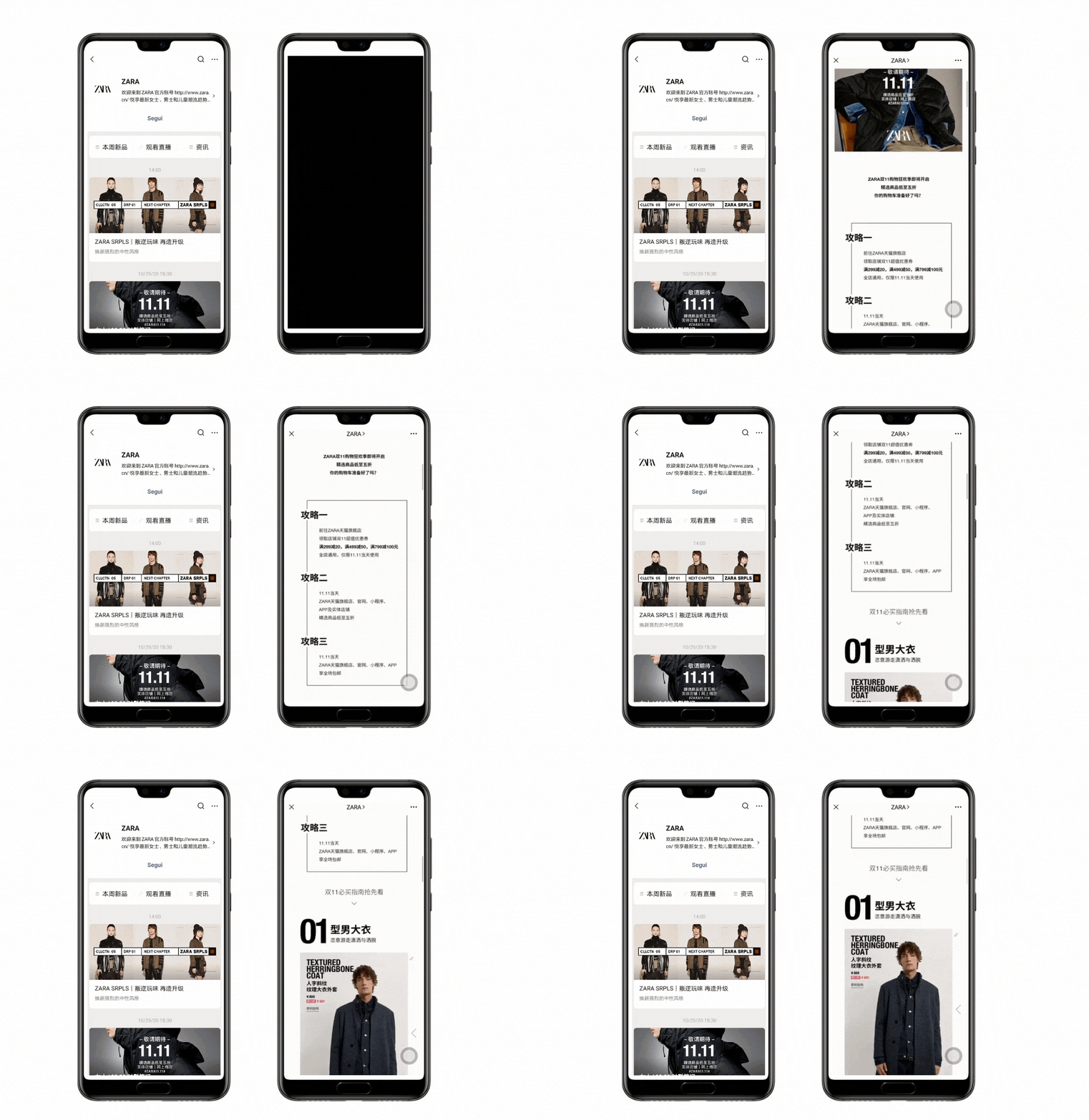
WeChat was created by the Chinese giant, Tencent. It is not just a messaging app, but it has so much more to offer. No other app in the West is comparable to WeChat. It would rather be a mix of Facebook, Skype, Slack, Amazon and Paypal. Knowing this, it is easier to understand the huge role of WeChat in Chinese people’s lives.
Indeed, it is the most popular mobile app of the country, on which they all spend hours everyday. The app enables companies to create an “official account” to promote their company. With a service account you can send 4 push notifications per month and your contacts will receive it as a normal message from a friend.
WeChat Group Marketing & Community Building
This is the best way for a brand to create a community, gain followers and being actively engaged with them. As you can also sell your products on WeChat, it is very convenient for the user to directly purchase something on your WeChat account.
It is essential to keep your customers informed of any change, event or new product release through the management of your Chinese social networks in order to build a community of loyal consumers. Chinese consumers tend to not be really loyal to one brand, they like to change frequently so this is really important.
5. RED to create the buzz around your clothing brand
It is one of the most common social media in China, it is similar to Twitter. It has 462 million active users, 68 thousand posts published every second, and more than 2 billion video visualization per day. It offers many services: from traditional social activities, to create micro-blog, send messages, follow brands, Kols and trends, live streaming, gaming activities. It is one of many platforms.
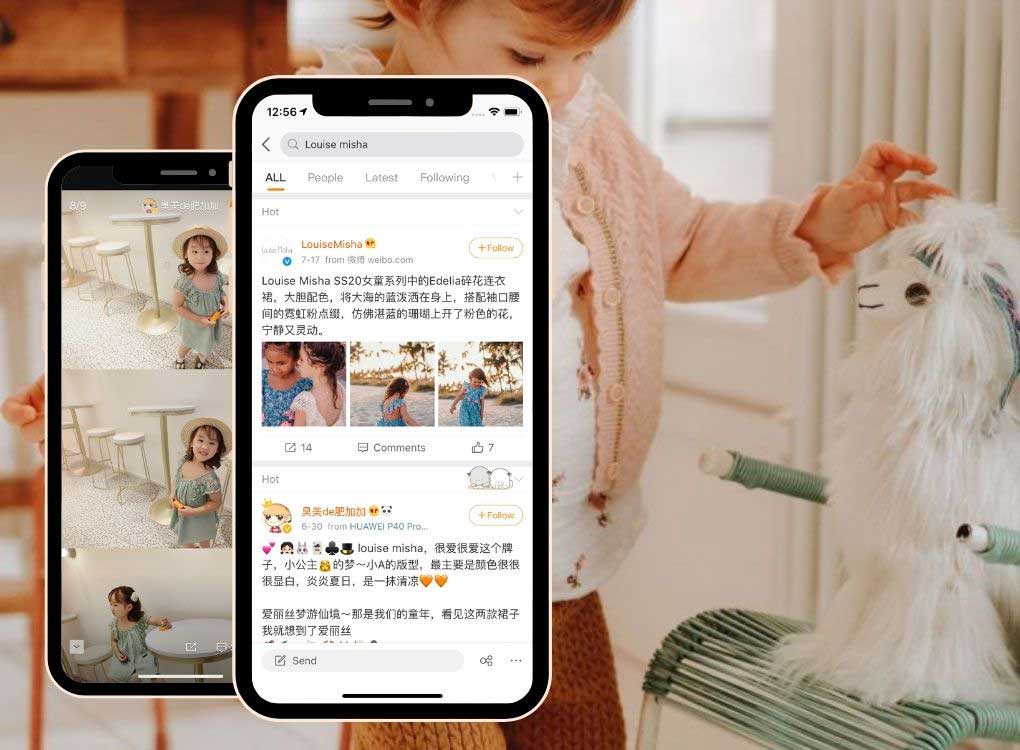
On Weibo, you can have more followers and faster but on Wechat you have more impact on call to action, so you should learn to use them at the same time. One doesn’t exclude the other. Weibo helps to increase brand awareness, to ensure great visibility for events and promotions through ad-hoc communication with user-friendly content, to insert external links to the brand’s e-commerce, and to lead to word of mouth. To interact with Weibo you can use short posts, maximum of 2000 characters, many pictures, videos, memes, and Gif.
Get viral on Weibo is also an option in 2024
With Weibo, it is easy to share and get viral. Since it is an open social media, everyone can see everything and comments and this creates engagement between them and with the brand.
It is a must be for clothes brands because peoples still refer to Weibo to evaluate the credibility of a brand.
6. Use Kols to advertise your clothing brand on Douyin
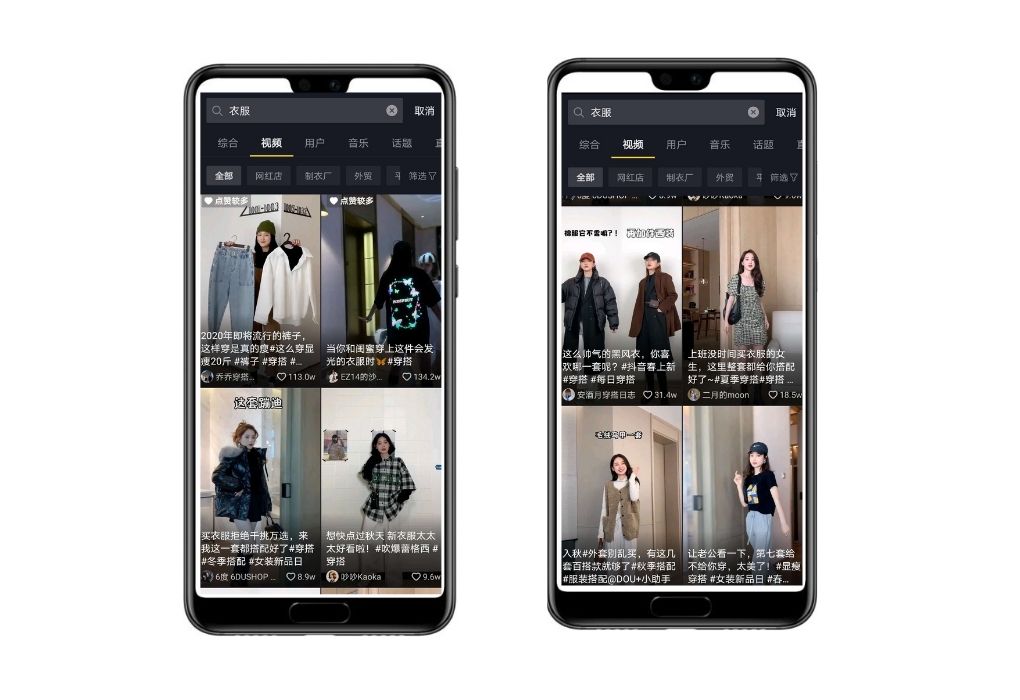
It is the Chinese version of TikTok, and it’s an application to create and share short videos (about 15 seconds) with music in the background. It has 300 million users per month; 150 million users per day; 85% of users born in the 1990s and 70% of users live in tier 1 and tier 2 Chinese cities. Brands can invest in partnerships with renowned KOLs to increase visibility and develop brand loyalty.
Users are encouraged to immediately purchase what they see sponsored by the KOLs and are directed to purchase in-App. Usually the decision to finalize the purchase is made in a few seconds, so this sales method works best with products with a medium-low price like clothes.
Even if Douyin does not offer the possibility to purchase in-App, live streaming can be a great ally to sales. In fact, through live streaming, the KOLs carry out an important content marketing and lead generation activity. Let’s think of the connection between the Taobao Live or Douyin live streaming apps and the Tmall marketplace. Key Opinion Leaders describe the products live. They then provide a link that goes directly to the product page on the e-commerce platform to complete the purchase.
Douyin in 2024 the BEST APP for Fashion
Douyin, the Chinese counterpart of TikTok, offers a dynamic and interactive platform for fashion brands to amplify their branding and e-commerce efforts. Here are five actionable tips for fashion brands looking to leverage Douyin effectively:
- “Showcase Your Style with Signature Videos”: Create captivating short videos that highlight your brand’s unique aesthetic and fashion collections. Use high-quality visuals, engaging storytelling, and trendy music to showcase your products in action, creating a distinctive brand image that resonates with the Douyin audience.
- “Leverage Hashtag Challenges for Viral Potential”: Initiate or participate in hashtag challenges related to fashion trends, encouraging users to create content featuring your brand. This not only increases brand visibility but also encourages user-generated content, fostering community engagement and brand loyalty.
- “Collaborate with Fashion Influencers”: Partner with popular Douyin influencers who align with your brand identity. Influencers can create authentic content that showcases your products in a relatable way, helping to drive brand awareness and credibility among their followers.
- “Utilize Douyin’s E-commerce Features”: Take advantage of Douyin’s integrated e-commerce capabilities, such as shoppable videos and the in-app store. These features allow viewers to purchase products directly from your videos, streamlining the shopping experience and boosting online sales.
- “Engage with Interactive Live Streams”: Host live streaming sessions to showcase new collections, offer exclusive behind-the-scenes looks, or conduct Q&A sessions. Live streams can also feature product demonstrations and special promotions, creating a direct and interactive sales channel.
By implementing these strategies, fashion brands can effectively use Douyin to enhance their branding, engage with a vast audience, and drive e-commerce growth in the vibrant Chinese market.
7. Sell your clothes on e-commerce platforms like Xiaohongshu
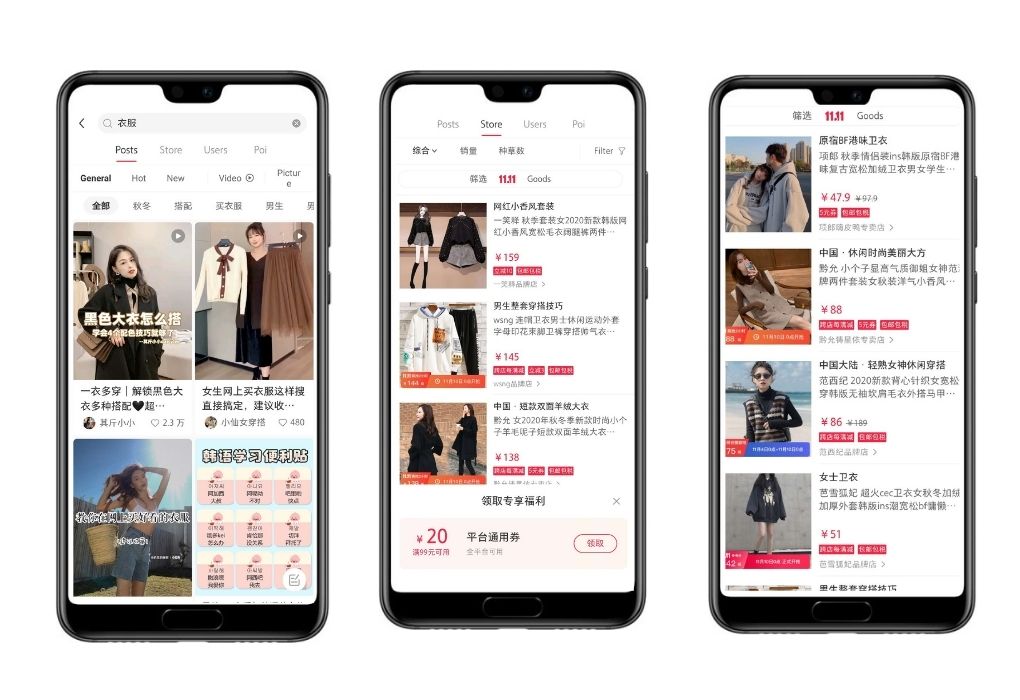
In China, nearly 6 out of 10 internet users prefer to buy clothing and accessories online. Xiaohongshu is a social commerce. The user can buy the products directly from the platform. It has more than 200 million users and it’s growing a lot. It is really interesting for the fashion sector.
It is a mix between Instagram, Pinterest and Amazon. It is based on a “content-driven” model, which gives great importance to content. It was born as a shopping guide. It mainly attracts consumers who reward quality and authenticity.
While in the tradition e-commerce platforms the user enters when he is interested in a product, in the social commerce the user enters even also for diversion. 60% of users are Millennials or Generation Z and more than 70% live in first or second tier cities. 85 % of users are women.
There are six types of posts on RED:
- tutorials (how to use a product),
- comparison (differences between a product and another),
- before/after (pictures of before and after and explanation on how to obtain the result),
- story (the Kol tells a personal story that can educate the user),
- guide (a wish list of the products the Kol wants to buy),
- try-on (pictures and comments on a dress the Kol is trying on in the fitting room of a shop).
Little Red Book allows in-app purchase and accepts WeChat pay and Alipay as payment methods.
Do you want to sell your clothes to China? Contact Gma

Gentlemen Marketing Agency is a digital marketing agency that is expert in helping foreign companies to establish or strengthen their position in China. We can help your brand increase sales in China, thanks to our services like:
- Advertising
- Baidu SEO&SEM
- Social Media
- PR
- KOL & Influencers
- E-commerce and cross-border e-commerce
- Distribution


A very informative article! I would like to get more info, I will send an Email, could you provide one, please.
Thank you
Joshua