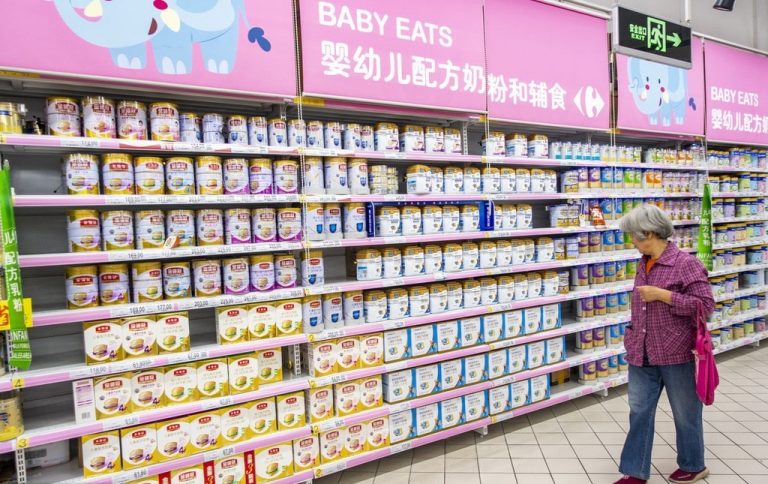

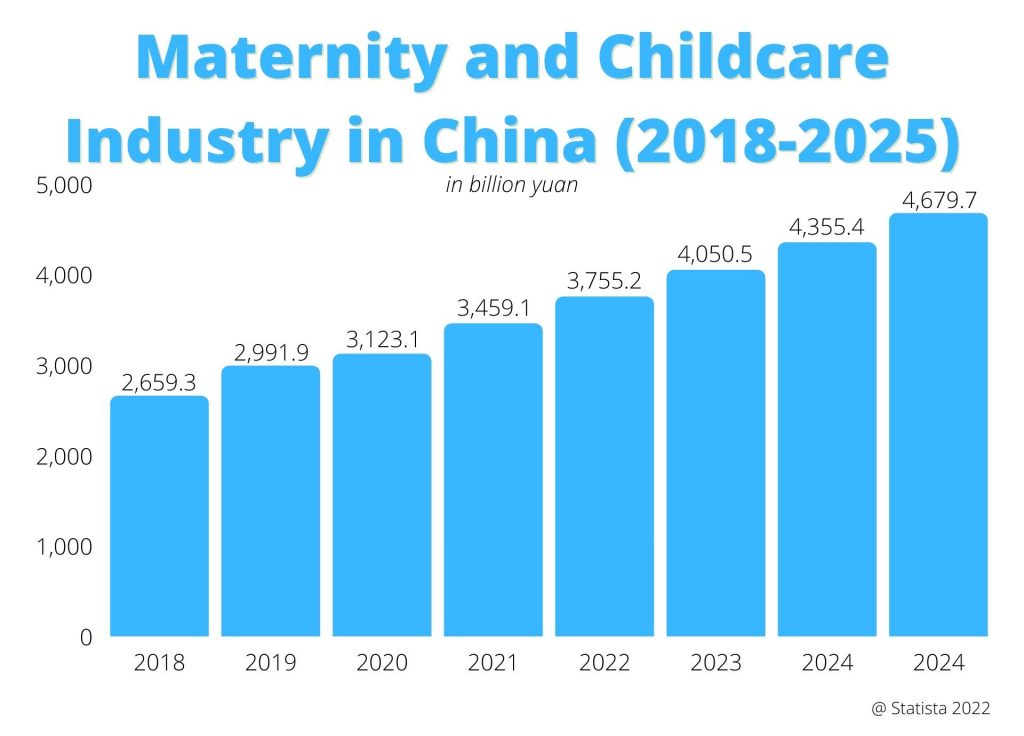
Nothing is more sensible to sell in China than infant-related products.
Need a cost effective TP (Tmall Partner) to sell in China?
We are an Official Tmall Partner e-commerce Agency. Our Services: E-Commerce, Search Engine Optimization, Advertising, Weibo, WeChat, WeChat Store & PR.
Why?
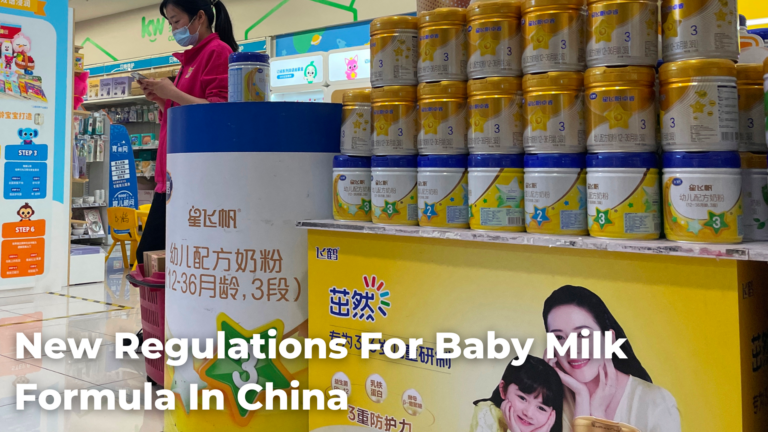
In 2008 a huge scandal broke out in China after Infant milk manufacturers used dangerous milk in their composition. Indeed, manufacturers used melamine to make the protein rate higher.
The consequences were disastrous, an estimated hundred thousand kids got sick consuming this milk and four babies died.
The media coverage of this scandal spread over the world, and since then Chinese consumers got increasingly suspicious and careful when buying milk for their kids.
A few years later…
A worldwide renowned company producing high-quality bio-functional ingredients for infant formula wanted to develop its activities and find buyers in China for its formula.
Its worldwide reputation would not be enough to succeed
It was legitimate to think that as the number one worldwide, it was going to be easy to sell their products in China.
Read more
They soon realized it wasn’t.
Claiming that they were number would not help. The 2008 milk scandal involved the biggest Chinese manufacturers, and the suspicious feeling toward infant-related products was still (and still is) sensible. No Chinese buyers would trust a newcomer on the market claiming he is number one and reliable just because he said it.
The challenge
In China people rely on their friends’ and family relatives’ word of mouth to estimate if a product is reliable and if they can trust it.
The trend only increased with the ubiquity of the use of the internet in China.
Nowadays, when buyers want to check if a supplier is reliable, they will check online. Either looking for reviews, or advice for their peers on specialized forums (e.g.: Zhihu). Either by checking what the professional online press says about this supplier.
The main key for companies who want to gain the trust of buyers in China is to have third trustable parties talk positively about them.
Gaining trust in China is the biggest challenge for newcomers.
Start with the basis
The company needed to be visible online as the internet became the source for most buyers.
It started by having a dedicated website for the Chinese market.
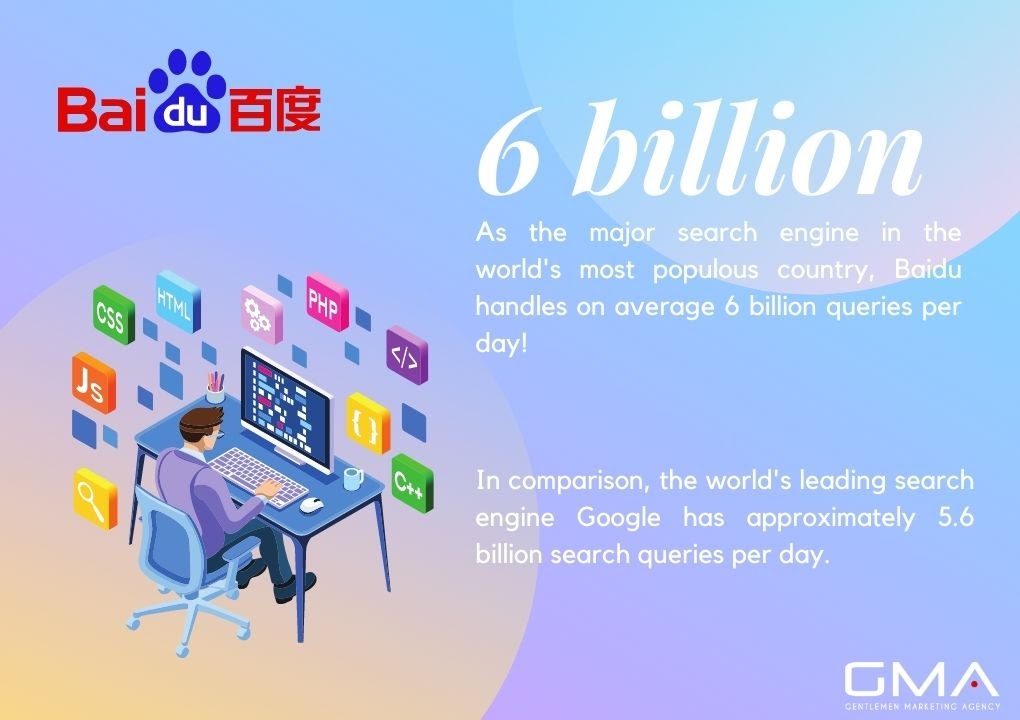
The Chinese internet is being cut from the outside world (“thank you” to the Chinese Great Firewall!), and no information available on Google would be on the local search engine Baidu.
They created a very qualitative website, with a professional translation in Chinese, as most people do their research in their mother language right?
They made sure to host their website locally to make sure it was quick to load here and adapted to mobile since more and more use their phones to do their research.
Necesssary in B2B
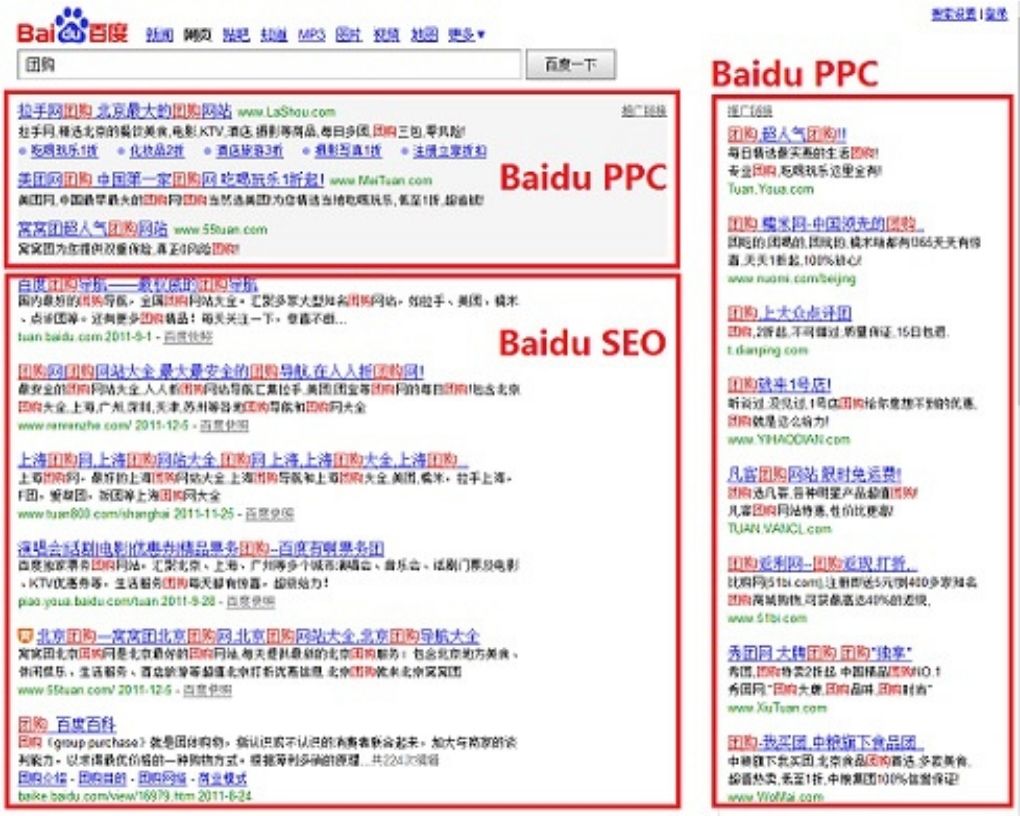
Now they needed to be found on the first page
Another challenge was to make sure that when buyers do their research online looking to buy this kind of ingredient, their website would appear on the first page of the research.
This is where the SEO campaign on Baidu has been fruitful.
Thanks to a selection of keywords and months-long work, after 6 months they started to receive leads from interested buyers.
Now the challenge was to transform these leads into clients.
Remember the importance of reputation?
Reputation is what will help them to transform their leads into clients.
They started to get high qualitative press releases from the major renowned online specialized press. Quickly when buyers did their Baidu research about them, they were able to find trustable information on online media. That hugely helps to increase their reputation and also their website’s authority.
Their reputation got even stronger when buyers were able to find reviews and information about this company on specialized forums posted by their professional peers.

Having the right tools to keep in touch
Of course, they also needed an adapted way to keep in touch and nurture the prospect that would not buy now.
In China, buyers are not likely to use e-mail or the website’s request form to get in touch once they found the company’s website.
Instead, they will look for the company’s WeChat official account and add it to follow.
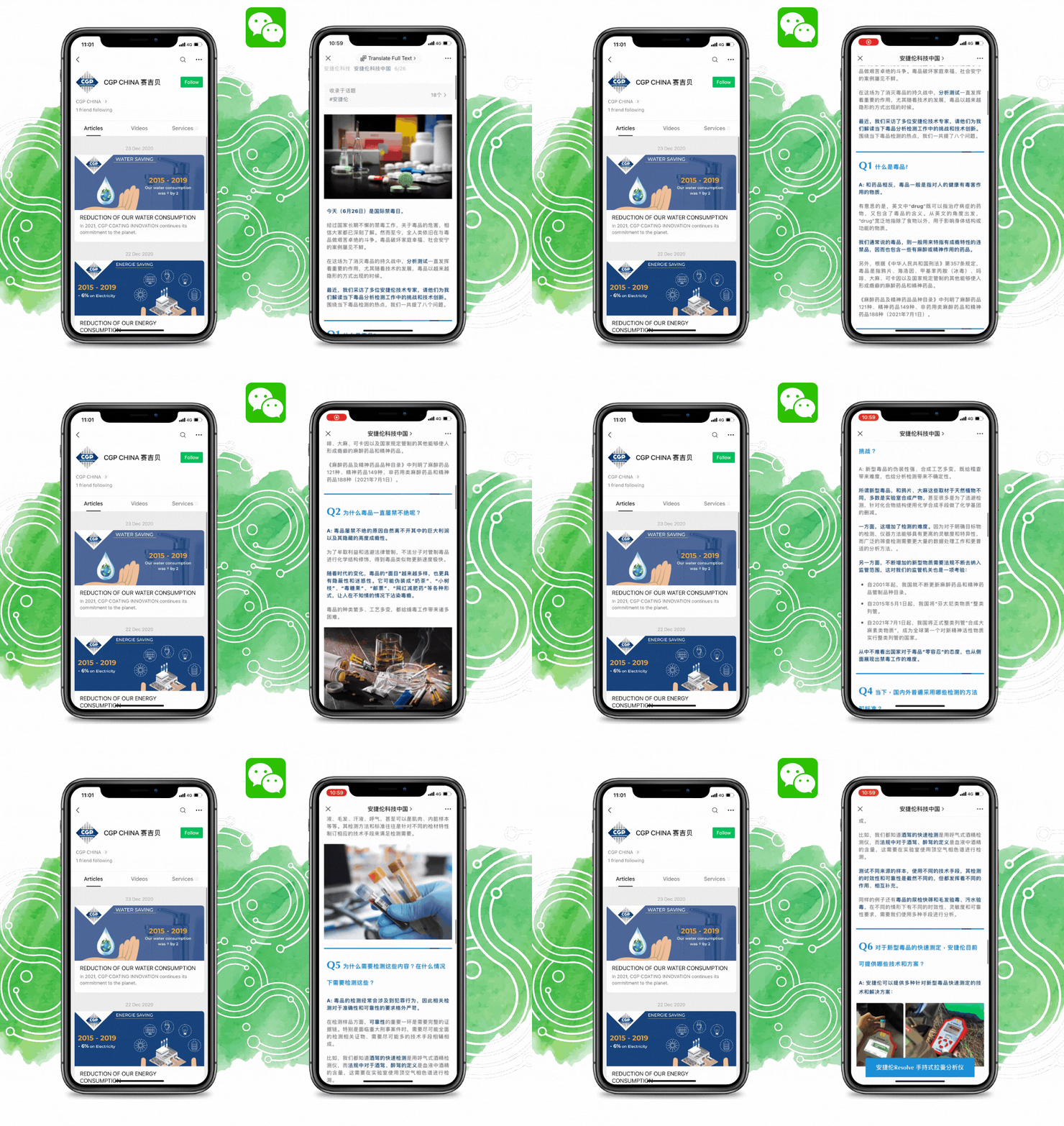
WeChat replaces e-mail but also the newsletter. The company posted news every month on its official account and its posts quickly received a hundred thousand views.
Example of WeChat B2B account
The success was starting
Thanks to their comprehensive strategy adapted to the Chinese market, the company quickly started to have major Chinese B2B in the industry as clients.
Enzymotech is a case study.
This Biotech Company enter the Chinese market with agressive Marketing strategy that creates lot of Business.
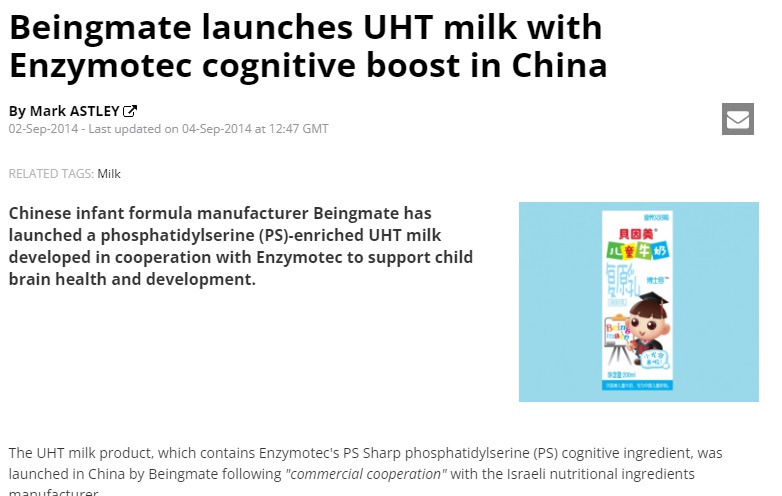
All companies entering China should be aware of the inherent difficulties they might encounter in their industries, like in this case the sanitary background, and adapt consequently.
It just needs sufficient resources and strategy, be ready to adapt, and don’t rush things. Patience is necessary as the results come only after months of arduous work.
Put in the end it pays.
Feel free to read more of our articles for more insight into the Chinese market.
You can also have a free 30 min call with one of our consultants if you need some advice.