The demand for mosquito repellent grew significantly with the sudden spread of the Zika virus in more than 40 countries. According to the World Health Organization, Malaria is ongoing in approximately 91 countries worldwide. Making it that 40% of the world population at risk. Still, as per the WHO, nearly 2 million deaths each year occur from an infection due to mosquitoes. Subsequently, the market for mosquito repellent is highly driven by a rise in the number of cases of diseases caused by mosquitoes.
Need a cost effective TP (Tmall Partner) to sell in China?
We are an Official Tmall Partner e-commerce Agency. Our Services: E-Commerce, Search Engine Optimization, Advertising, Weibo, WeChat, WeChat Store & PR.
Trends 2024

The market for anti-mosquito products in China is evolving rapidly, driven by consumer demand for effective and safe solutions. Here are seven key trends shaping this sector:
- Eco-Friendly and Natural Products: There’s a growing consumer preference for anti-mosquito products made from natural ingredients, reflecting wider environmental concerns and a focus on health. Products featuring essential oils like citronella, eucalyptus, and lavender are becoming more popular.
- Smart Mosquito Repellent Devices: Technological innovation has led to the development of smart devices for mosquito control, including ultrasonic repellents and smart mosquito traps that can be controlled via smartphones. These devices offer convenience and efficiency, appealing to tech-savvy consumers.
- Integrated Home Solutions: With the rise of smart homes, consumers are looking for integrated solutions that can be incorporated into their home ecosystems. Anti-mosquito systems that work with home automation systems are gaining traction.
- Wearable Repellent Devices: Wearable devices, such as bracelets and clip-ons that emit repellent substances, are popular for their convenience and portability. These are especially favored by consumers looking for solutions for children and outdoor activities.
- Enhanced Safety Features: As safety concerns grow, products that minimize skin contact, such as spatial repellents and non-aerosol diffusers, are gaining popularity. There’s also a focus on developing products with improved safety profiles, especially for use around children and pets.
- Seasonal and Targeted Products: Recognizing the varying intensity of mosquito activity across seasons and regions, brands are offering products tailored for specific times of the year and targeted at particular mosquito species known to carry diseases like dengue fever and Zika virus.
- Educational Marketing: Companies are investing in consumer education about the diseases mosquitoes can spread and how to effectively use repellents. This approach not only drives sales but also builds brand trust and loyalty by positioning brands as helpful resources for consumers.
WHY DO CHINESE CONSUMERS BUY MOSQUITO REPELLENTS?
The impact of mosquito-borne diseases is expected to increase in the coming years, owing to an increase in the mosquito population.
Over the years, there has been a considerable increase in awareness of mosquito-borne diseases, which boosts the demand for mosquito repellent products.
There is a considerable increase in awareness of mosquito-borne diseases, which results in a boost in the demand for mosquito repellents. Besides, a rise in global temperature provides favorable conditions for the breeding of mosquitoes, thus, leads to an increase in penetration of mosquito repellents in the global market.
Chinese is a huge country with various climates including sub-tropical climates that are favorable for mosquito spreads. In major cities such as Guangzhou & Shenzhen (You won’t be safe from a mosquito in Shanghai/Beijing either…) for instance, summer is incredibly humid, and mosquitoes are a major annoyance to peoples. In summer, the streets feel with the smell of this natural mosquito repellant oil (and considering the huge mosquitos bites on peoples lambs, there are reasons to doubts its efficacity ;))

What are the trends for mosquito repellent products in China?
Besides, the development of natural herb-based mosquito repellents has reduced various side effects on human health such as skin rashes, breathing problems, and other health hazards. Nowadays, consumers in the more developed parts of the world have started using neem-based sprays, creams, oils, citronella oil, birch tree bark, and other plant-based ingredients. The change in the consumer’s preferences in favor of herb-based mosquito repellents is expected to enhance the growth of the mosquito repellent market during the forecast period. However, the presence of toxic chemicals, such as DEET, in various mosquito repellent products causes ill effects on health, which are likely to restrain the growth of the mosquito repellent market. Based on type, the spray segment led the mosquito repellent market value in 2019. Currently, the market is trending with herbal sprays, which are skin-friendly and last longer than chemical-based sprays and also help in reducing the chance of allergic reaction

By Type
- Coil
- Spray
- Cream & Oil
- Vaporizer
- Mat
- Others
- KEY ONLINE MARKET STRATEGIES
The market players have consistently engaged themselves in implementing effective marketing strategies aimed toward promoting sales of various mosquito repellents. Companies have regularly been involved in spreading awareness among the people through various awareness campaigns and free sample distribution. This has resulted in an increased sale of various products across the world to prevent mosquito bites. The impact of these innovative marketing strategies would continue to propel the demand for mosquito repellents in the future.
The global mosquito repellent market is divided based on product type distribution channels. Based on product type, the market is categorized into coil, spray, cream, oil, vaporizer, mat, and other products. Based on distribution channels, the mosquito repellent market is split into hypermarkets, supermarkets, specialty stores, independent stores, online, and others. The online sales channel segment is expected to grow at the highest CAGR of 7.8% between 2020 and 2027.
The key players operating in the mosquito repellent industry are S. C. Johnson & Son, Inc., Spectrum Brands Holdings, Inc., Sawyer Products, Inc., Coghlan’s Ltd., Dabur International Ltd, Godrej Consumer Products Limited, Himalaya Herbals, Johnson & Johnson Services, Inc., Jyothy Laboratories Ltd., and Reckitt Benckiser Group plc.
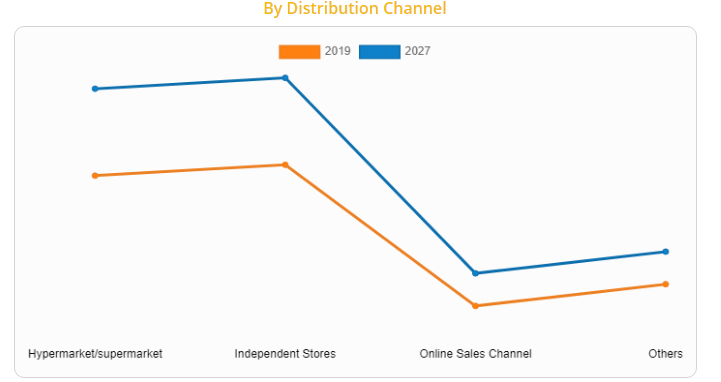
By Distribution Channel
- Hypermarkets/Supermarkets
- Independent Stores
- Online
- Others
Sell your Mosquito repellant on Chinese eCommerce platforms
Selling through eCommerce platforms used to be challenging for smaller; less known foreign brands, however with the “maintreamization” of cross-border eCommerce and an always growing demand for foreign products, platforms are making it easier for anyone to try out the market.
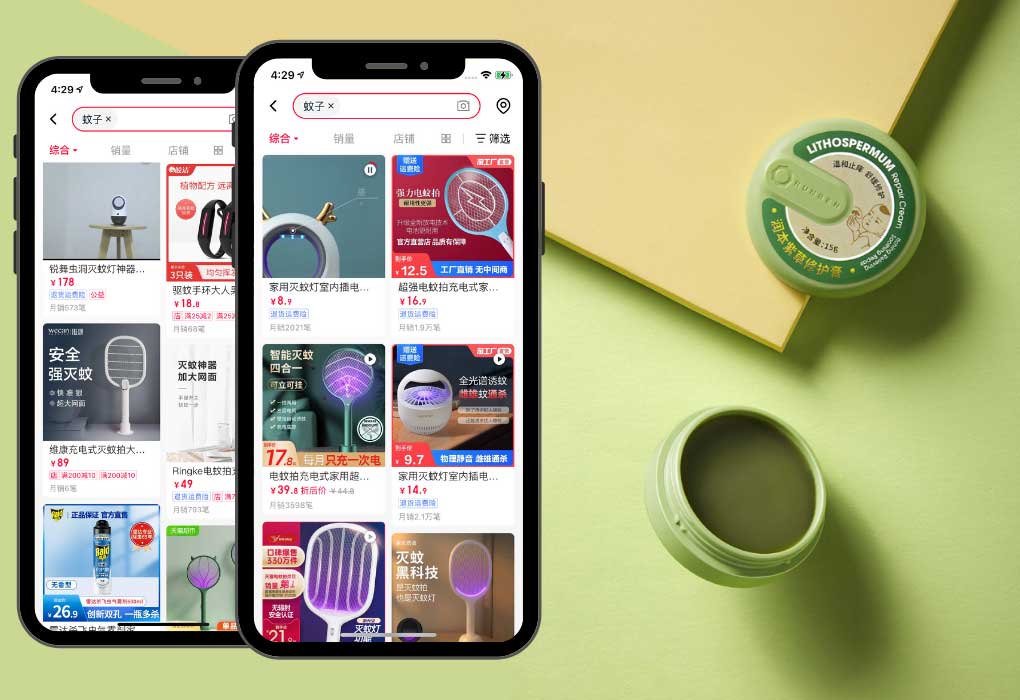
Not only it is becoming easier for a foreign brand to enter those platforms but the China e-commerce market is diversified, from the ultra giant selling trusted/ mainstream brands (Tmall/JD) to the ultra-specific life style/beauty app (Little Red Book) or the best deals app (Taobao/ Pinduoduo). This versatility means that there are opportunities for everyone that wants to try out the market. You are not eligible for Tmall? why not register on Taobao? Your products are inexpensive? start selling on Pinduoduo. Do you want to reach out to mom? Little Red Book. and so on.
Find out more on best Chinese eCommerce platforms here.
How to get Chinese Consumers to trust & buy your mosquito repellent products?
Chinese consumers tend to put their trust more into social media channels, than in brands. Also, people get a stronger connection with the brand through social media and at the same time brands can reach Chinese consumers and interact with them by:
- Showing them how to use the products, you are selling.
- Explaining to them what type of constituents of the products.
- The benefits of buying your products.
Selling anti-mosquito products in China, a market with both a high demand for effective solutions and a vast landscape of consumer preferences, requires a strategic approach. Here’s how you can position and sell your anti-mosquito products effectively in this dynamic market:
1. Understand Local Preferences
- Insight: China’s diverse climate zones mean mosquito problems can vary greatly from region to region. Tailor your product offerings (e.g., sprays, lotions, electronic repellents) to match local conditions and preferences. Research and development should focus on products that are effective against the types of mosquitoes prevalent in different areas of China.
2. Leverage E-Commerce Platforms
- Action: Utilize China’s robust e-commerce ecosystem by listing your products on platforms like Tmall, JD.com, and Pinduoduo. Optimize your product pages with SEO strategies tailored to Chinese search engines (like Baidu) and marketplace search functions. Use attractive visuals and detailed product descriptions to highlight effectiveness, safety, and ease of use.
3. Engage Through Content Marketing for Social media
- Action: Platforms like Weibo, Douyin (TikTok), and WeChat are crucial for brand visibility. Create engaging content that educates consumers on the health risks associated with mosquitoes and how your products mitigate those risks. Videos demonstrating product effectiveness in real-life scenarios, testimonials, and educational content about preventing mosquito-borne diseases can help build trust and brand recognition.
4. Collaborate with KOLs and Healthy KOL
- Action: Partner (paid partner of course) with Key Opinion Leaders (KOLs) and influencers in the health and wellness sector to promote your products. Authentic endorsements from trusted sources can significantly influence purchasing decisions. Choose influencers whose followers match your target demographic for maximum impact.
5. Highlight Safety and Quality
- Insight: Chinese consumers are increasingly health-conscious and concerned about the safety of the products they use, especially in households with children and pets. Emphasize the safety, quality certifications, and natural ingredients (if applicable) of your products in your marketing campaigns.
6. Offer Promotions and Incentives
- Action: Utilize flash sales, discounts, and bundle offers to encourage trial and repeat purchases. Seasonal promotions before and during the mosquito season can attract consumers looking to stock up on preventative measures. Douyin is the best platform for that !
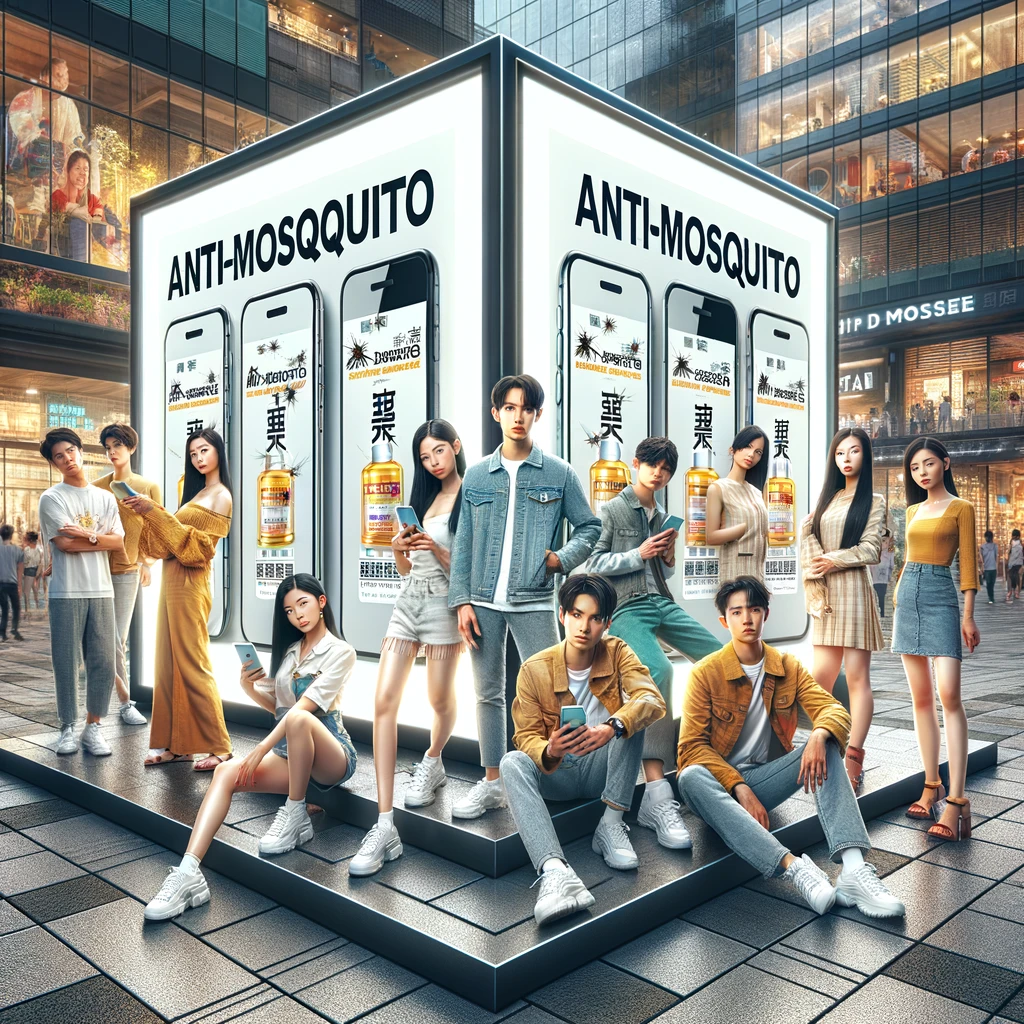
7. Invest in Offline Event – Distribution on long run
- Action: While e-commerce is vital, don’t overlook offline channels. Supermarkets, drugstores, and specialty health stores can be excellent points of sale. In-store promotions, product demonstrations, and educational materials can help capture the attention of offline shoppers.
8. Focus on Consumer Education
- Action: Educate your target market on the importance of mosquito prevention for health and comfort. Use your platforms to share information on peak mosquito times, breeding habits, and prevention tips. Well-informed consumers are more likely to appreciate the value of your products.
WeChat: the Social Media you can’t avoid in China
Originally a messaging application, but as the years went by, it evolved in order to introduce several innovative and advanced features that have made it more than a simple online platform.
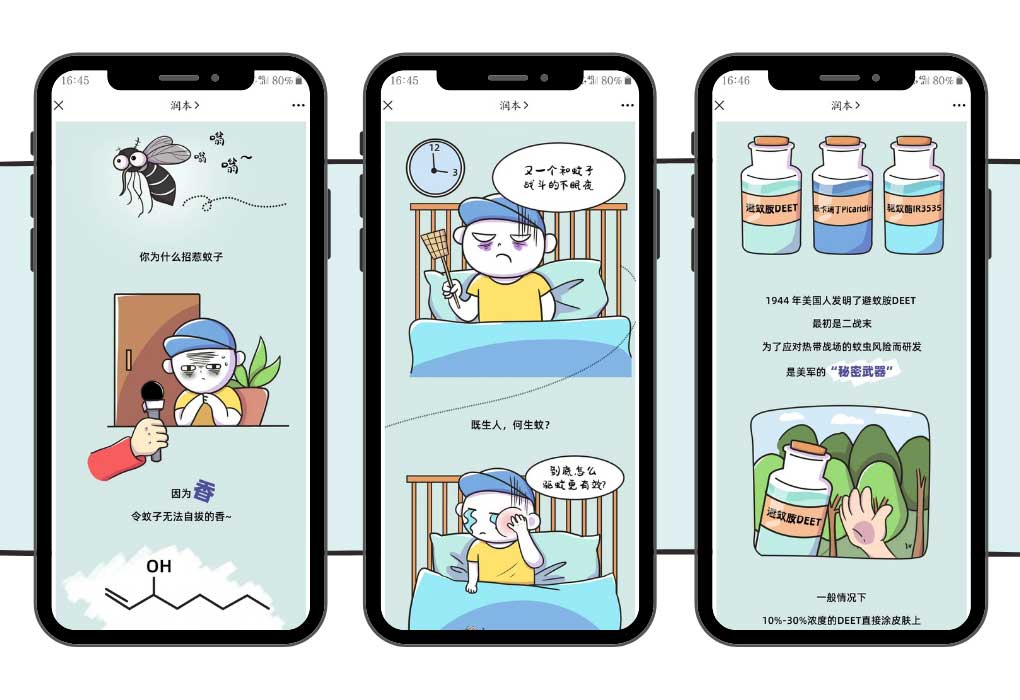
For example, it allows users to:
- Chat with people and friends
- Stay informed about news in any area
- Use WeChat Wallet to shop online through mini programs which cover functions like e-commerce
- Pay via mobile thanks to Wechat pay
- Help companies to interact with followers and keep them updated on brand news
- Offer companies Wechat advertising functions
RED: Great Social-eCommerce Apps for “High-end” mosquito repellant Brands in China
Little Red Book, also known, as Xiaohongshu in Mandarin, is the perfect balance between a social network and cross-border e-commerce. In addition to creating networks of contacts and publishing content, it is in fact possible to directly purchase the products shown on the screen through the practical “link-to-buy”.
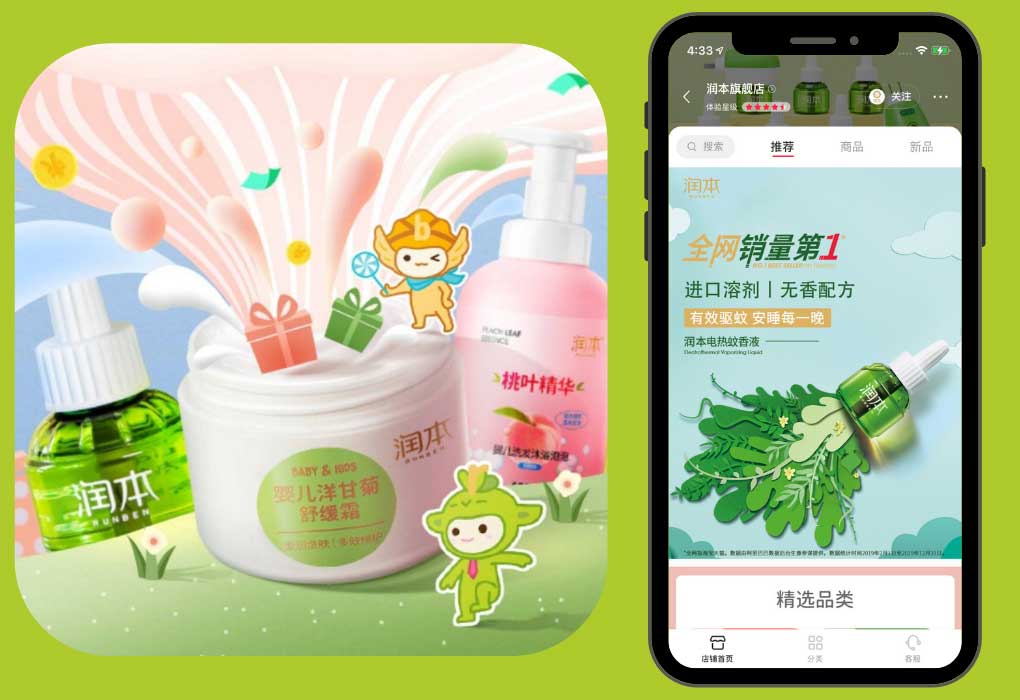
Like Wechat, it offers several opportunities for brands, in particular, they can collaborate with KOLs increasing the credibility and desirability of companies.
Learn more about your options in China

Let’s schedule a call to define the course of action you can take to succeed on the Chinese market (Bonus: We have experience in the mosquito repellent arena)
GMA (Gentlemen Marketing Agency) positions itself as a formidable ally for brands looking to sell anti-mosquito products in China, leveraging a deep understanding of the Chinese market, e-commerce, digital branding, and social media strategies. Here’s why GMA could be the perfect partner for tapping into China’s anti-mosquito product market:
1. Cross-Border E-commerce Expertise
- Global Gateway: GMA has the expertise to navigate the complexities of cross-border e-commerce in China, making it easier for international anti-mosquito brands to enter the market without the need for a physical presence. They can help brands list products on platforms like Tmall Global, JD Worldwide, and Kaola, which are popular among Chinese consumers looking for high-quality, international goods.
2. Digital Branding Savvy
- GMA can craft compelling digital branding campaigns that resonate with Chinese consumers. They know how to position anti-mosquito products as not just a necessity but a lifestyle choice, emphasizing safety, effectiveness, and innovation in ways that appeal to the target audience. 🙂
3. Social Media Mastery
- Viral Vector: GMA’s prowess in leveraging Chinese social media platforms like Weibo, Douyin, and WeChat can significantly amplify a brand’s presence. Through creative content, interactive campaigns, and KOL collaborations, GMA can create buzz around anti-mosquito products, educating and engaging potential customers and driving them towards purchase decisions.
4. Consumer Insight and Analytics
- Market Match: Utilizing advanced analytics and consumer insight tools, GMA can help brands understand the needs, preferences, and purchasing behaviors of Chinese consumers. This data-driven approach allows for the optimization of marketing strategies, ensuring that anti-mosquito products are marketed effectively to the right audience segments.
5. Influencer Marketing Expertise
- Buzz Builders: GMA has a network of Key Opinion Leaders (KOLs) and Key Opinion Consumers (KOCs) across various segments. They can connect anti-mosquito brands with the right influencers in the health, lifestyle, and parenting spaces, ensuring that product endorsements reach a wide and relevant audience.
6. Content Creation and Localization
- Culturally Connected: Understanding the importance of localized content, GMA can create and adapt marketing materials that cater to the cultural nuances and preferences of Chinese consumers. This includes video content for Douyin that demonstrates product use in a local context, articles that address local concerns about mosquito-borne diseases, and social media posts that engage with Chinese festivals and holidays.
7. Customer Engagement Strategies
- Engagement Engine: GMA knows how to build and maintain customer relationships through WeChat official accounts, offering a mix of informative content, customer service, and loyalty programs. They can help brands establish a direct line of communication with consumers, fostering trust and loyalty.
8. Comprehensive Digital Ecosystem Utilization
- Digital Symphony: Finally, GMA excels in creating a harmonized digital ecosystem that integrates e-commerce, social media, SEO, and content marketing. For anti-mosquito products, this means a consistent and compelling online presence that guides consumers from discovery through to purchase and post-purchase engagement.
Contact us to know more



![Immunity Boosting Market in China [Full Report]](https://ecommercechinaagency.com/wp-content/uploads/2023/05/boosting-china-768x545.png)