
It’s not a secret that China has been grappling with a major obesity issue in recent years. A lack of exercise and an over-reliance on unhealthy foods have resulted in millions of Chinese people being overweight or obese. To help China’s health problems, the Chinese government introduced several initiatives to improve general health in the country, one of which was persuading Chinese consumers to choose healthier options when it comes to food.
As a consequence of health problems and global trends, people of all ages in China are starting to become more aware of their health and the benefits of healthier eating, which results in the rapid growth of the health food market in recent years. As Chinese society is ageing, the demand for functional food will be growing even faster, which creates an opportunity for companies of healthy foods.
Need a cost effective TP (Tmall Partner) to sell in China?
We are an Official Tmall Partner e-commerce Agency. Our Services: E-Commerce, Search Engine Optimization, Advertising, Weibo, WeChat, WeChat Store & PR.
Health Food Market Overview (2022)
The health food market in China has seen significant growth in recent years, with an estimated value of 200 billion yuan in 2021. Chinese consumer behavior is changing and a healthier lifestyle has become a choice of life for a lot of Chinese people, especially the younger generation from first-tier cities that are easily influenced by global trends.
The Chinese authorities are also in favour of this shift in behaviour. Only in 2020, there were more than 700 health food products officially registered in China. According to Statista, the most common health claims among those products were health foods that are enhancing the immune system and releasing fatigue.
Healthy food is becoming more and more popular, with over a third of young people in China claiming that they are willing to spend more on their health.
The Reasons Behind Growing Popularity of Healthy Food and Health Supplements
There are many reasons for the growing popularity of health food products. Although this trend is seen worldwide, some of the reasons behind are very unique to Chinese consumers.
China is turning into an ageing society
According to WHO, China has one of the fastest ageing populations in the world, due to longer life expectancy, a one-child policy that was pushed by the government for many years as well as declining fertility rates. It is predicted that by 2050, 30% of the Chinese population will be over 60 years old.
This means that the demand for healthy seniors’ food and health supplements will be constantly rising. As nutritional supplements are essential for keeping seniors in good health, domestic and foreign brands selling healthy foods and medicaments will be more and more needed.
Obesity becomes an alarming problem
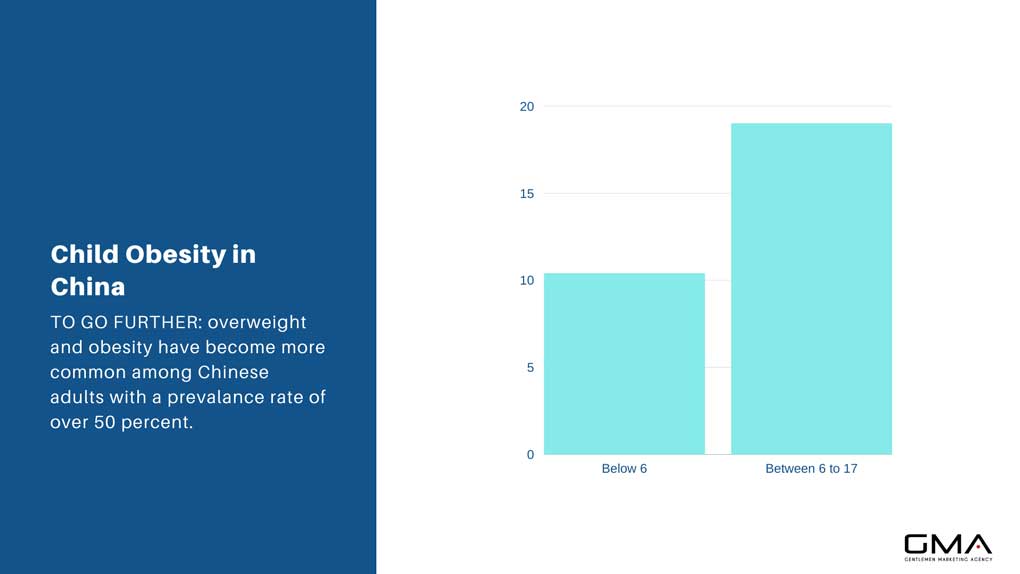
Apart from problems with an ageing society, China is also standing in front of a serious obesity problem. According to WHO, one in three children in China has a diabetes problem, which is far more than the global average. People spend more time indoors, they lack sports and a good diet. Therefore, more and more Chinese netizens that realise the problem start eating healthier and taking care of their bodies.
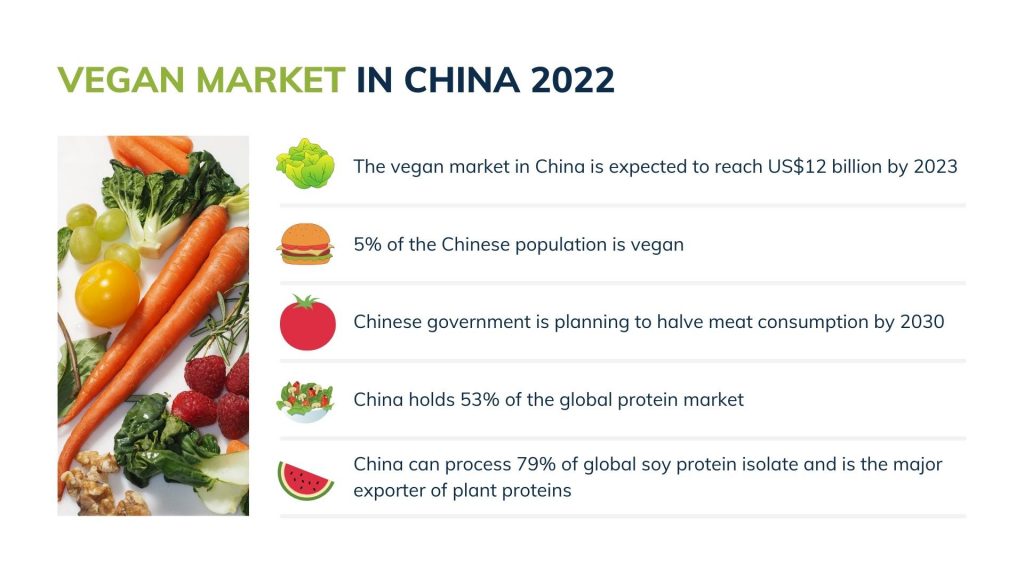
Apart from taking traditional supplements known in China for years, foreign health supplements and healthy substitutes for common food, like plant-based meat, oat milk and other vegan options are gaining popularity among people of all age groups.
Chinese problems with food safety
Scandals with rotten meat, baby formula, unsafe production and problems with the Chinese wet market, mixed with the rising awareness of Chinese consumers are ending up with China’s healthy food market value constantly rising. People start carrying about their health more and they want to know the quality of their food.
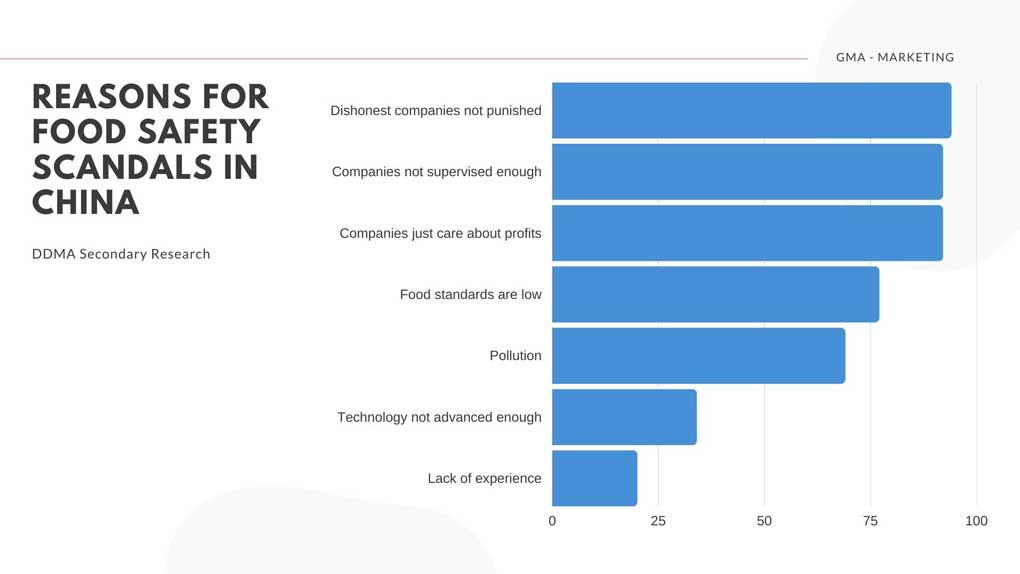
China is constantly facing a problem with food safety and there are a lot of food scandals recurring on the Chinese market, which makes people tired of domestic food producers. According to data, 86% of Chinese consumers consider food safety when making food choices and it’s the most important factor during shopping for 52% of Chinese consumers.
Chinese people hop on the global trend
Healthy foods and lifestyles are one of the biggest trends worldwide and Chinese consumers are not indifferent to these global changes. People all around the world are being more aware of the food they are eating, the importance of sports and ways to live more ecologically. People are becoming more interested in plant-based food, health supplements or sports nutrition products, traditional Chinese medicine is also trending again.
According to China Briefing, 73% of Chinese people are willing to pay more for a healthier option of their food of choice and 58% of Chinese middle-class are willing to pay more for ethical brands.
What’s important is the fact that eating healthy and being ecologically conscious is considered status symbol for Chinese consumers in big cities. China, with 12 points above the average score, is becoming the most health-conscious country in the world.
Chinese young people from first-tier cities live fast lives and since they don’t have time to cook, they want to compensate by eating healthy and taking care of sports nutrition. They are also more oriented about all the new stuff popping up on the market and are usually keen to try new products like plant-based meat or health supplements from foreign brands recommended on the internet.
China’s Health Supplements Market
Since people live faster lives and the population is ageing, the health supplements market size in China is growing at a fast pace. Researchers predict that by 2023 the market is expected to grow by 14%, with a market size of 280 billion yuan.
As today’s society is facing a lot of problems with the lack of sleep, stress or obesity, health supplements are becoming a new trend, that is not reserved only for old people anymore. Dietary supplements, tablets and foods providing help for specific health functions, sports nutrition products, skincare supplements or weight management products are among the most commonly used by Chinese consumers of all age groups.
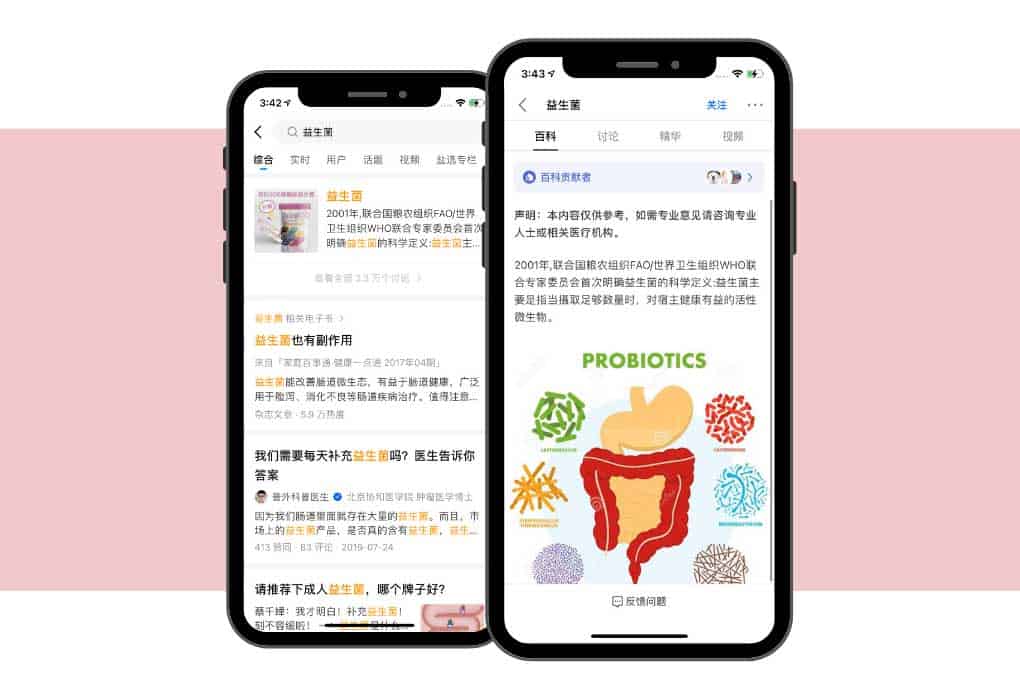
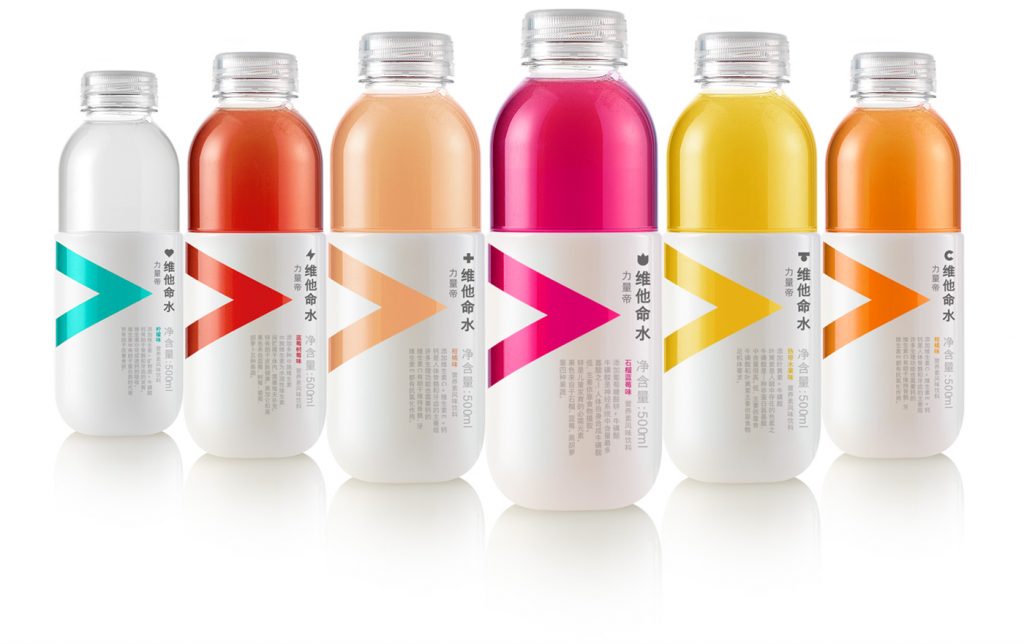
Health supplements, previously associated with tablets and pills only, are changing, as today the forms vary depending on customers’ preferences. There are vitamin shots, protein shakes, organic food with a specific function and many more.
Although China’s health supplements market is still relatively small in comparison to US or Japan, it shows great potential and is expected to experience a boom in the next years. Chinese people are fond of traditional Chinese medicine which creates competition in the market. But the market size is big enough to fit them both, as the demand is growing.
How to Enter the Chinese Health Food Market?
If you want to enter the health food market in China, one of the key steps to take is understanding your target customers and their shopping habits. As health foods are on the rise and arouse the interest of people of all ages, your way of selling your products, whether it’s supplements or functional, organic food, is dependent on the type of shoppers you will address your marketing strategy to.
Here are a few elements to take into consideration if you want to succeed in China;
Define your distributors
Selling foreign products in China, especially when it comes to food or supplements, requires finding the right distributors that will help you enter the biggest supermarkets, grocery stores or online marketplaces where people can find your products.
There are a lot of options to choose from, depending on the products you’d like to sell in China. If you’re selling some organic veggies, working with people that can get you into supermarkets or partnering with some restaurants and lunch places is the best thing to do.
If you sell vitamins and nutrition for athletes, maybe it’s best to target sports people on Chinese online e-commerce platforms. There are a lot of choices and we can help you choose the best distribution channels for your brand.
Build your Chinese Website
To be able to compete with local brands and rank on Baidu, the biggest search engine in China, you need to have a Chinese-language website. Chinese people like to check all the comments and opinions on foreign products they want to buy and the first thing that they’d rather check is a website. Having a website targeted at Chinese consumers will give you an advantage and with some search engine optimization, you will rank high on Baidu and gain consumers’ trust in China.
Make Use of Online Channels of Distribution
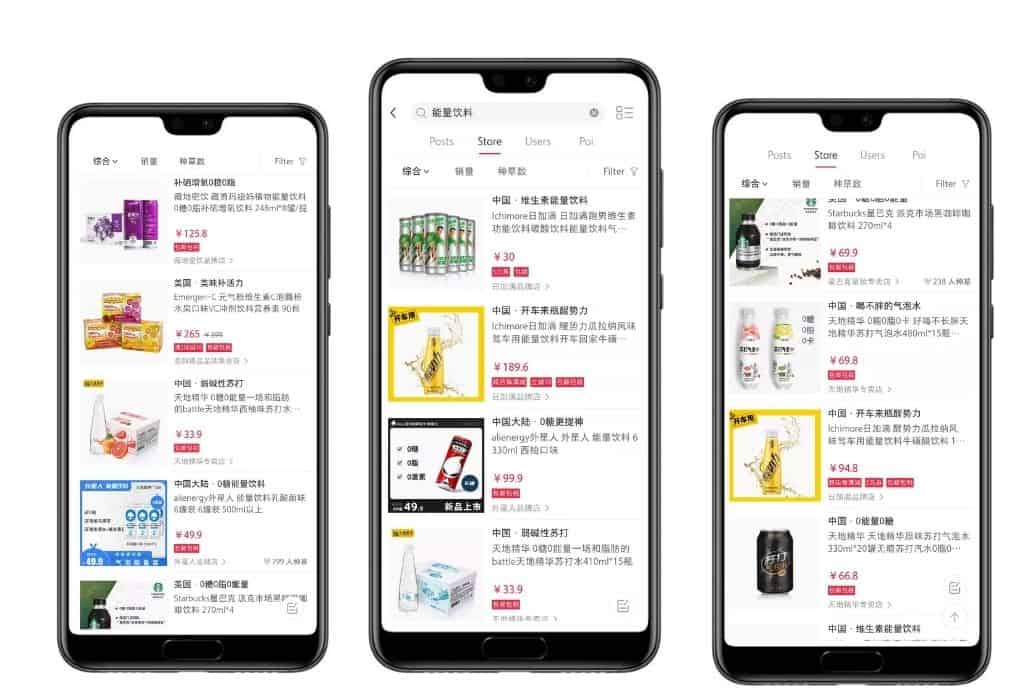
Chinese consumers are more willing to purchase online because of the convenience and the greater range of available items on e-commerce platforms. They are also accustomed to e-commerce channels such as JD.com and Tmall.
Being present on online e-commerce platforms will allow you to cater to the needs of customers that live busy lives and don’t always have time or energy to go grocery shopping after work. Those are also the customers that might be interested in health food products.
Promote your brand on Chinese social media platforms
Although having good distribution and a Chinese website is extremely helpful to build awareness in the Chinese market, it’s hard to win with local brands without being present on Chinese social media platforms. Even though Chinese consumers have a huge appetite for foreign products, they won’t buy anything they don’t know. This is why being present on Chinese social media is important for brand awareness and trust building.
There are many different platforms that people in China use on daily basis. The most popular is Wechat, which is a mega app that covers all the important features, both for personal and professional use. You can create a WeChat Official account to introduce your products or manage customer relations through WeChat mini-programs. It is even possible to create a WeChat Store, integrating e-commerce activities. WeChat offers a lot of features for the brand to reach its target consumer and build its e-reputation.
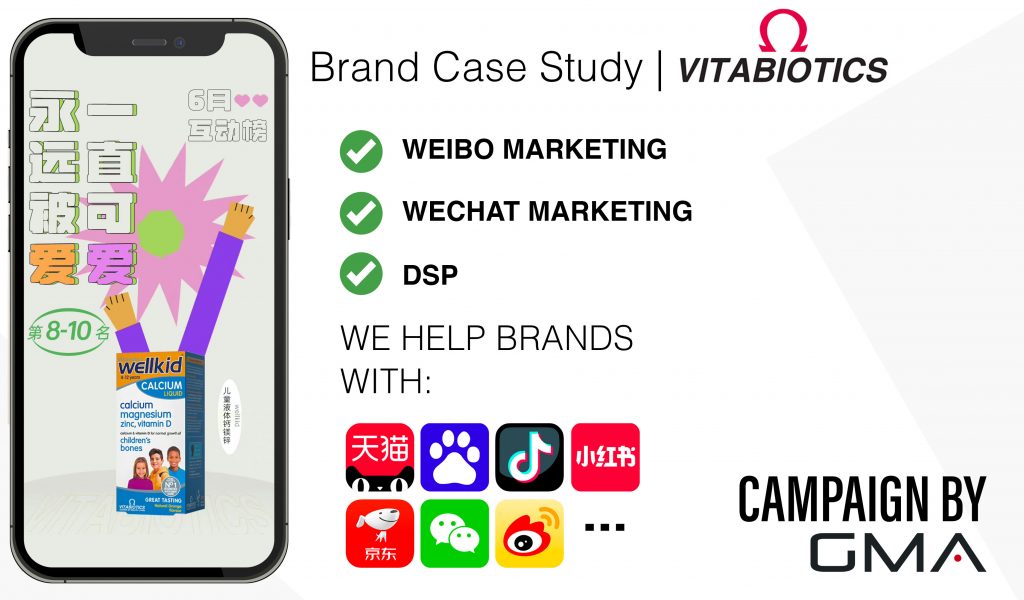
Word-of-mouth marketing is very appreciated in China and people rely on opinions and recommendations from friends, family or accounts that they follow on Chinese social media platforms. You can consider having an account on Weibo, which is a great tool to attract new followers to check your website or other accounts.
Little Red Book and Douyin
Another platform, Little Red Book, is a great place to build brand awareness and promote your products to younger audiences. If you’d like to attract Generation Z or work with influencers, you can consider entering Douyin, the Chinese version of TikTok. There are many opportunities and we can help you choose the best social media platforms for your brand.
Make sure you meet all the regulatory standards of the Chinese market
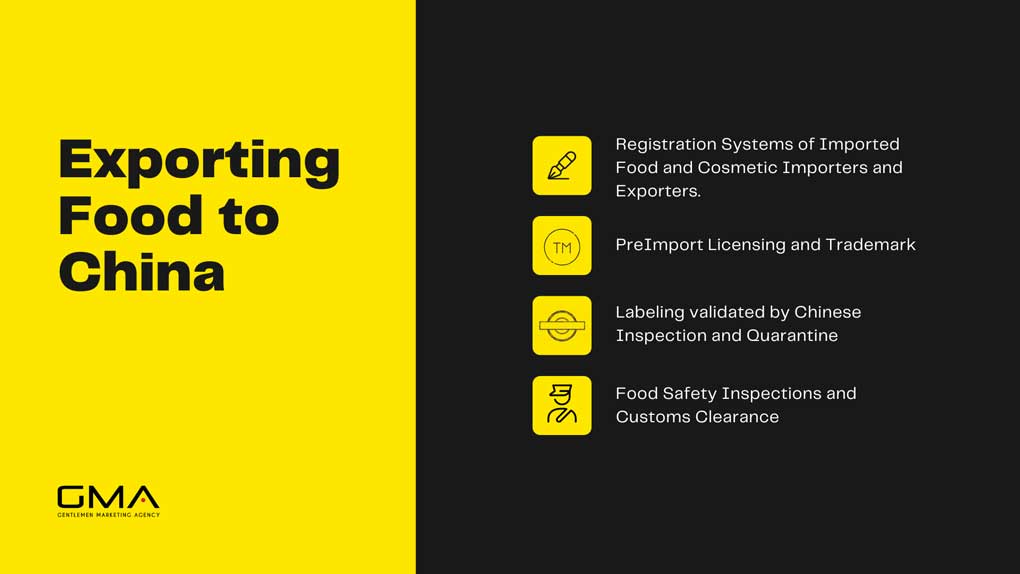
Since there were many scandals with food safety, the Chinese authorities is constantly introducing new laws and regulations to make sure all the food imported to China is of the highest quality and can be sold without any hazard. Laws and regulations of the Chinese market are becoming more Westernized and it’s important to meet all the standards to export food without problems.
It’s important to register the company with AQSIQ, which is an abbreviation for The General Administration of Quality Supervision, Inspection, and Quarantine. After getting the AQSIQ certificate, you also need to take care of the pre-import license, trademark registration, labelling and many more. As it’s complicated and may be confusing for foreigners, we offer our expertise and help with the whole process.
Chinese People Prefer Buying Health Foods from Foreign Companies
Due to many food scandals occurring in recent years when it comes to the quality of food, Chinese people that can afford healthy or organic products that are more expensive, prefer to buy from overseas companies. People in China tend to believe that foreign products are in general better than domestic ones and they trust foreign businesses far more than local ones.

As you can see from the charts above, the majority of people in China trust international companies and prefer to buy products from them. This is even more important when it comes to healthy foods and supplements, as people are willing to spend more on products that they believe are beneficial for their health.
Conclusion: Health Food Market in China is a Huge Opportunity for Foreign Brands
The Chinese people are increasingly interested in eating healthy, nutritious food as well as taking vitamins and supplements to be healthy. This is evidenced by the growth of the country’s healthy food market. The main drivers of this trend are concerns about obesity and other health problems related to a poor diet, as well as increasing awareness of the benefits of a healthy lifestyle.
The Chinese government has responded to this shift by enacting policies and regulations that support the growth of the healthy food market. The growth of this sector of the Chinese market creates a great opportunity for international companies, that can capitalize on this trend by marketing their products to Chinese consumers who are looking for healthier alternatives to conventional fare. So if you’re interested in selling healthy foods or supplements to the Chinese audience, now is the time!
Start Selling your Products on Health Food Market in China
Although exporting food and supplements to China is a lucrative business, it’s not an easy thing to do. It requires a lot of preparations, market research and a lot of understanding of consumer behaviours and the overall business landscape.
If you’re interested in selling your healthy foods to Chinese consumers, we can help you by providing our expertise and know-how.
We are China digital agency specialising in marketing strategies and building brand awareness of international brands on the Chinese market.
With a team of more than 70 Chinese and foreign professionals, we provide a lot of services for brands aiming to enter the Chinese market. We can help you with;
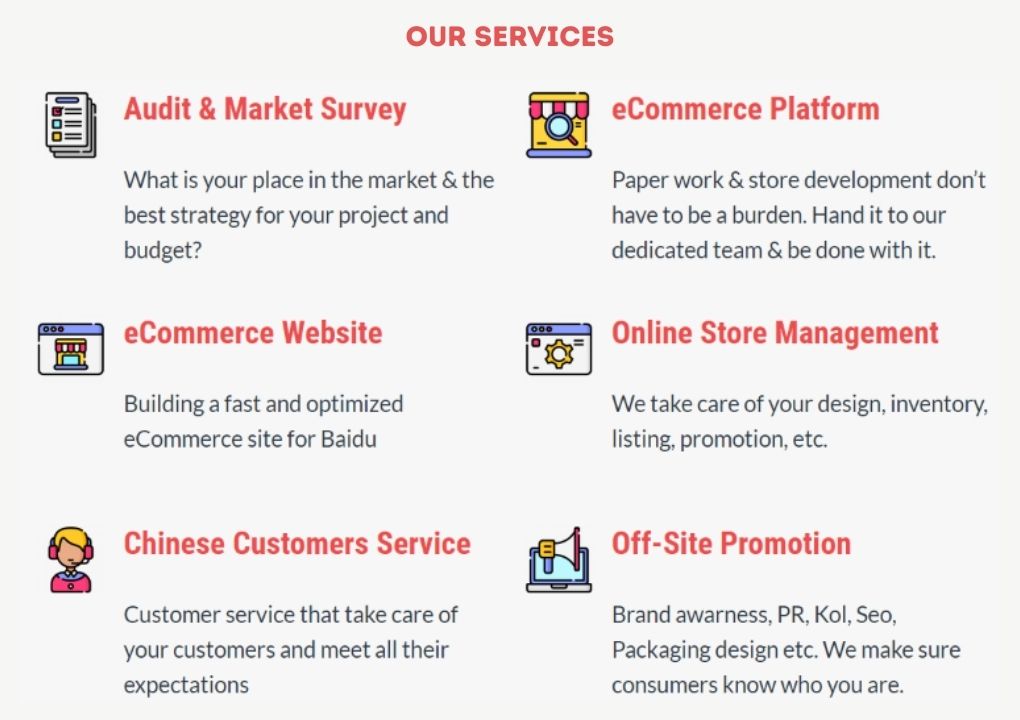
And many more! Leave us a comment or contact us to get to know what are the best ways for your brand to succeed in the Chinese market!




Hello
I represent a Chinese distribution company, and we would like in 2020 to distribute healthy good brands from Europe, Australia or USA to China.
contact me if you are serious
Matt
Check our web site at let me know if your distribution interest/network can fit our line of products. We are based in Toronto, Canada and we have all international certification for our organic, non-GMO, gluten-free, vegan products