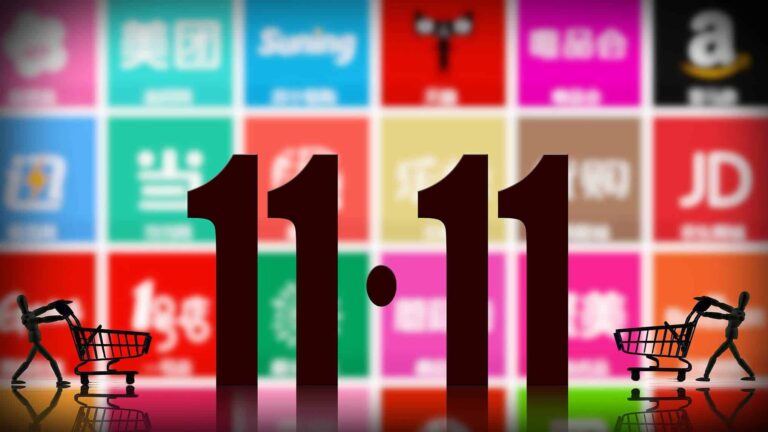

Are you ready to revolutionize your 11/11 sales strategy? As live streaming drives $6 billion USD in sales during the Singles’ Day shopping event, it’s time you jumped on the bandwagon too.
This article will reveal how integrating Augmented Reality (AR), Virtual Reality (VR), and Live Streaming into your e-commerce strategy can supercharge your Singles’ Day success. Ready for a game-changer? Let’s dive in.
Need a cost effective TP (Tmall Partner) to sell in China?
We are an Official Tmall Partner e-commerce Agency. Our Services: E-Commerce, Search Engine Optimization, Advertising, Weibo, WeChat, WeChat Store & PR.
Key Takeaways
- AR, VR, and Live Streaming make online shopping fun. They let you see and try items before buying.
- Singles’ Day brings in a lot of sales for online stores. Big sales on this day started in China but now happen all over the world.
- Stores can use tech tools to help shoppers. AR shows products in 3D, VR lets people shop from home like they’re at a store, and Live Streams share product info in real-time.

Everything You Should Know About China’s Single’s Day
Singles’ Day started in China as a way to give praise to single people. The number “1” stands for a lone person in Chinese beliefs, so they chose November 11th for this event. At first, it was not official but later became the biggest online shopping day on earth, popularized by Alibaba Group as a way to ‘spoil yourself’ with great shopping opportunities when you’re single.
This special day changed how people see being single from something bad to a fun party. Now, Singles’ Day is loved by many in China, bringing in lots of buyers and sellers each year.
How did a simple holiday become a huge shopping season?
In 2009, Alibaba Group, a leading name in Chinese e-commerce, transformed 11.11 from just a singles’ celebration to a shopping fiesta. The aim? Encourage Chinese shoppers to treat themselves during this ‘singles’ day’, filling the retail void between China’s Golden Week in October and the upcoming Christmas season.
Fast forward to 2013, and the 11.11 sales figures outstripped those of Black Friday and Cyber Monday, earning the title of the world’s largest online shopping day. Recognizing its global appeal, by 2015, it was rebranded as the “11.11 Global Shopping Festival“, celebrated by both merchants and shoppers internationally.
Today, the sheer magnitude of 11.11 is undeniable. It rakes in sales that are 18 times greater than Amazon Prime Day and, astonishingly, 2.5 times the combined totals of Black Friday and Cyber Monday.
Shift towards online shopping
Many people now shop on the internet. This change took place even before COVID-19 came around. Now, people are buying more things online than ever before. Online shops in Southeast Asia are set to make $53 billion this year (2023)! That’s a lot of money and a big jump from $19 billion in 2018.
The idea is simple: sit at home and buy what you need with a few clicks. No need to go out or wait in long lines at stores. Plus, interesting tools like live streaming help buyers pick what they want more easily.
So it’s no shock that many shoppers now choose the web over real-life stores.
Why you shouldn’t miss out on the Double 11 shopping festival?
The 11.11 Shopping Festival, initially coined by Alibaba and now embraced globally, holds paramount importance for brands for several reasons:
- Huge Sales: Simply put, the so-called Double 11 festival means a lot of people are buying stuff. This is a jackpot day for brands to make money.
- Get Noticed: With so many people shopping, it’s a great day for brands to show off their products and grab shoppers’ attention.
- Fun Engagement: Brands can have fun with customers (especially younger consumers) by offering games, live shows, and cool campaigns. This makes people remember and like the brand more.
- Worldwide Shoppers: It started in China, but now the whole world joins in. This means brands can sell to people everywhere on 11.11.
- Learn About Shoppers: By seeing what people buy or click on during this day, brands can learn what customers like or dislike.
- Clear Out Stock: Got old items to sell? Brands can give discounts on 11.11 to clear out and make space for new stuff.
- Stay Competitive: If a brand isn’t part of 11.11, it might seem outdated. Joining in keeps brands in the game.
So, 11.11 is not just a shopping day. It’s a huge opportunity for brands to sell, learn, and connect with customers all over the world.

Why Should You Incorporate AR, VR, and Live Streaming in Your Single’s Day Campaign?
AR, VR, and Live Streaming are key tech tools changing the e-commerce landscape. AR offers lifelike visualizations of products adding to the customer’s buying experience. VR gives shoppers a unique, immersive interface for exploring products online.
Live streaming enhances real-time interaction between sellers and consumers, contributing significantly to overall sales growth during Singles’ Day events.
Benefits of AR in online shopping
AR makes online shopping better. It lets shoppers see products before they buy them. This way, they are sure of what they are getting. AR also helps make buying choices easier and faster.
Only a few stores use this cool tool now. But those who do have seen more sales and happier customers! AR gives a fun, real feel to online shopping. It can be used to show off clothes, shoes, furniture, and more in 3D! So with AR in online shopping, you get to try things out from the comfort of your own home!
Potential for VR in e-commerce
Virtual reality, also known as VR, is changing the game in e-commerce. It allows people to shop without leaving their home. Just like being in a store, they can look at items from all sides.
With VR, customers feel like they are right there with the product. This makes shopping fun and easy. Many businesses use this tool to boost sales and make customers happy. Future markets show a huge growth for this tech tool which can bring lots of money for online sellers by 2026.

Impact of live streaming on sales
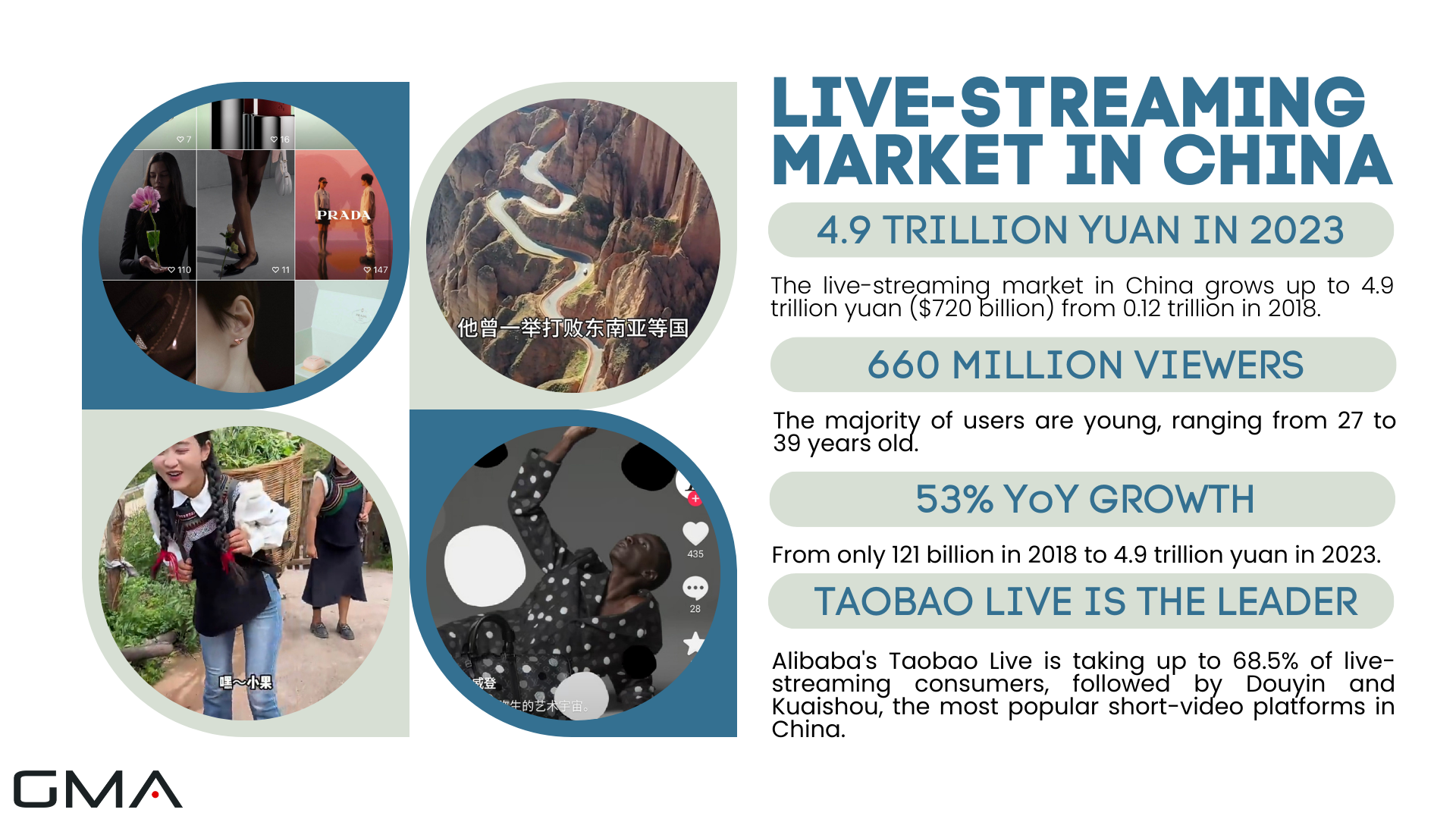
Live streams make people buy more. The sales events on 11/11 showed how true this is. People watched videos about products and bought them right away. In fact, live-streaming today is the go-to sales method during the 11.11 festival and it’s widely used in all Chinese media, with top influencers generating huge sales in a matter of minutes.
Last year, live streaming brought in $6 billion at the 11/11 event alone! This tool is a big win for e-retailers. It lets shoppers see products in use before they buy them. A live stream can give facts about items that pictures and text don’t share as well.
Strategies for Increasing Sales on Singles’ Day with AR, VR, and Live Streaming
Explore ingenious strategies like launching self-love campaigns, leveraging social media, and creating personalized experiences using AR, VR, and live streaming to escalate your Singles’ Day sales.
Dive in to see how these digital methods can amplify your e-commerce success!
Offer Singles’ Day deals
Shoppers look for good deals on Singles’ Day. Offering these deals becomes a key strategy to boost sales.
These discounts can be on select items or sitewide sales. They draw in many Chinese consumers who want to save money during this sales period.
Some brands use live streaming. They share their deals in real time with shoppers. This has become a practice seen in previous years, and speeding up now. It’s best to offer special deals and promotions during live streams and announce them in advance while promoting the event. This way consumers will be tempted to watch the stream and you will generate more sales.

Launch products promoting self-love
Putting out products that boost self-love is a smart move on Singles’ Day. Many people shop to treat themselves during this time. They want to feel good about who they are. They seek items that bring joy and confidence. Here’s how you can do it:
- Start with Self-care products: offer items that are perfect for singles to use, something that boosts self-confidence and self-love and promotes them this way.
- Boost self-confidence: Sell clothes or accessories that make the shopper feel confident and stylish.
- Increase self-esteem: Offer books and courses. These can help shoppers learn new skills or pursue hobbies.
- Promote self-worth: Have jewelry or artwork that shoppers can show off in their homes. Let them decorate their spaces in ways that make them proud.
- Enhance self-acceptance: Sell products like journals or affirmation cards. These can help shoppers accept themselves more fully.
- Foster self-empowerment: Stock fitness gear or tools for personal growth. Let your customers take control of their lives.
- Encourage self-growth: Provide products such as plants or cookbooks, which need time and care but result in great joy and pride.
And of course, incorporate those products into live-streaming promotion, offer great logistics solutions, and create virtual try-ons or metaverse showrooms, so that consumers can engage with your brand.

Leverage social media
Live-streaming has become an indispensable tool, especially on platforms like Douyin and Weibo. Brands can host real-time shopping sessions where influencers or brand representatives demonstrate products, answer viewer queries, and offer exclusive live-stream discounts. This real-time interaction fosters trust and often compels viewers to make impulsive purchases.
WeChat, while primarily known for its messaging capabilities, has jumped into the VR and AR game. Brands can use VR to offer immersive shopping experiences, allowing users to “walk through” virtual stores or see products in a 360-degree environment. This immersive experience can make online shopping feel as tactile and engaging as physical shopping.
AR shines on platforms like Xiaohongshu. Brands can create AR-powered content that allows users to virtually “try on” products, be it cosmetics, accessories, or even clothing. When users can visualize how a product looks or fits before buying, it can significantly reduce purchase hesitations.
Create a personalized shopping experience
Shop owners can use AR, VR, and live streaming to make shopping feel special. These tools help them know their customers’ likes and dislikes. A smart store can show items that match a customer’s style or needs.
This is new but fun for shoppers too. It feels like the store was built just for them! AI helps in picking out these matches. That way each buyer gets a unique experience every time they shop online on Singles’ Day or any other day.
Contact Us To Bring Your Single’s Day Campaign To The Next Level!
Navigating the dynamic digital landscape of China’s 11.11 Shopping Festival can seem daunting, especially when you’re trying to harness the transformative power of AR, VR, and live-streaming. That’s where Gentlemen Marketing Agency comes into play.

Expertise in Advanced Technologies
Dive deep into the world of Virtual Reality (VR) and Augmented Reality (AR) with us. We help brands create immersive shopping experiences that captivate and engage. From virtual store walk-throughs to AR-powered product trials, we have the tools and expertise to make your 11.11 offerings stand out.
Live-Streaming Mastery
With our seasoned team, tap into the massive potential of live-streaming. We not only guide you on best practices but also link you up with influential personalities who can amplify your brand’s message, ensuring real-time engagement and boosted sales.
Holistic Marketing Support
Beyond AR, VR, and live-streaming, our suite of services ensures your brand is perfectly positioned for 11.11 success. From crafting the right promotional message to optimizing your online presence, we offer a holistic approach to ensure you seize every sales opportunity.
Join hands with Gentlemen Marketing Agency and watch your 11.11 sales soar to new heights. With our expertise in industry development and your vision, together we’ll make this shopping festival a resounding success for your brand. Contact us today!