The recent announcement of Abbott Laboratories’ gradual exit from the Chinese infant formula market, set to be completed by 2023, has sent ripples throughout the industry.
With increasing competition and a complex regulatory environment, one of America’s leading healthcare companies is bidding adieu to this lucrative space in favor of focusing on its growing adult nutrition business.
Need a cost effective TP (Tmall Partner) to sell in China?
We are an Official Tmall Partner e-commerce Agency. Our Services: E-Commerce, Search Engine Optimization, Advertising, Weibo, WeChat, WeChat Store & PR.
In this blog post, we’ll delve into the reasons behind Abbott’s bold move and explore valuable lessons that can be gleaned for other foreign firms navigating China’s dynamic baby formula landscape.
Abbott’s Departure From The Chinese Baby Formula Market
Abbott Laboratories, a leading infant formula maker, has decided to gradually withdraw from the Chinese baby formula market due to regulatory challenges and increasing competition.
Reasons For Abbott’s Departure
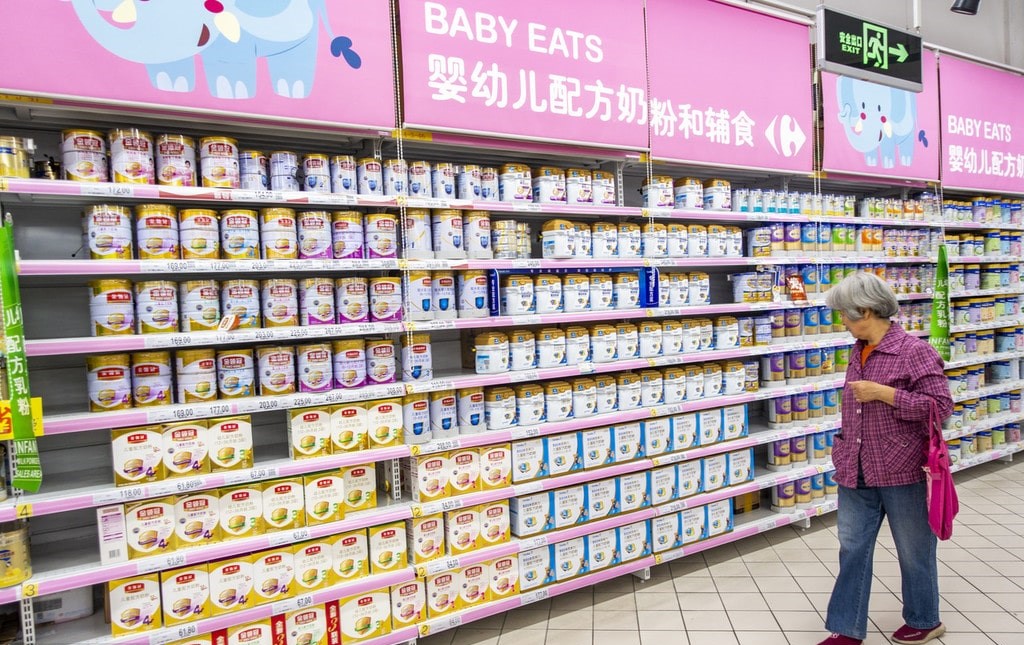
Abbott’s departure from the Chinese baby formula market was influenced by various reasons, and one notable factor that played a significant role in this decision was the increasing competition in the baby food market.
In addition, the increasing competition and changing consumer preferences have led to a saturation of the baby formula market size in China, prompting Abbott’s exit strategy.
The key competitors in the China baby food market are Nestlé, Feihe International, Inc, Danone Group, Ausnutria Hyproca, Yili, Mead Johnson (Reckitt Benckiser), Biostime Group, and a2 Milk Company.
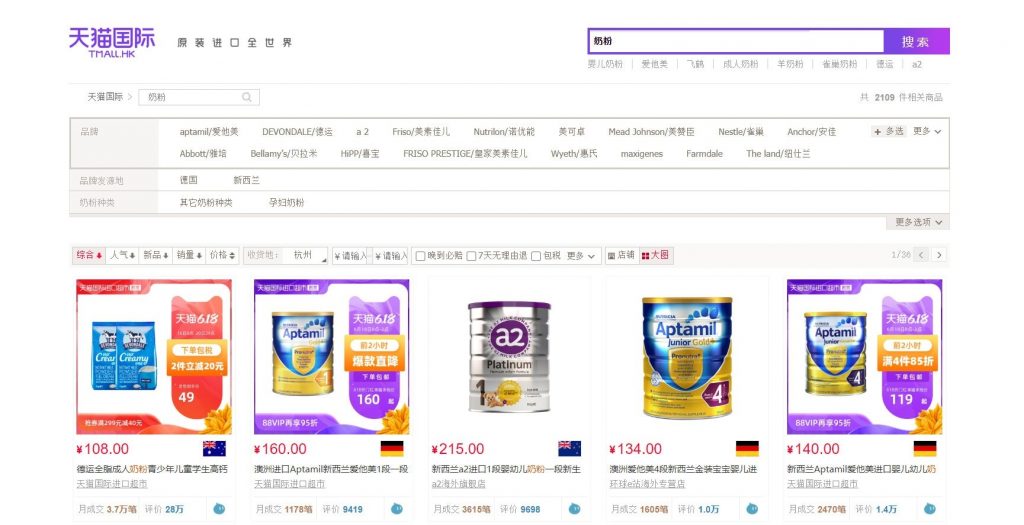
Furthermore, regulatory compliance has become a critical factor in the Chinese baby formula market, with the government imposing stricter requirements on imported products to promote domestic brands and ensure the safety of infants.
Impact Of Regulatory Challenges And Increasing Competition
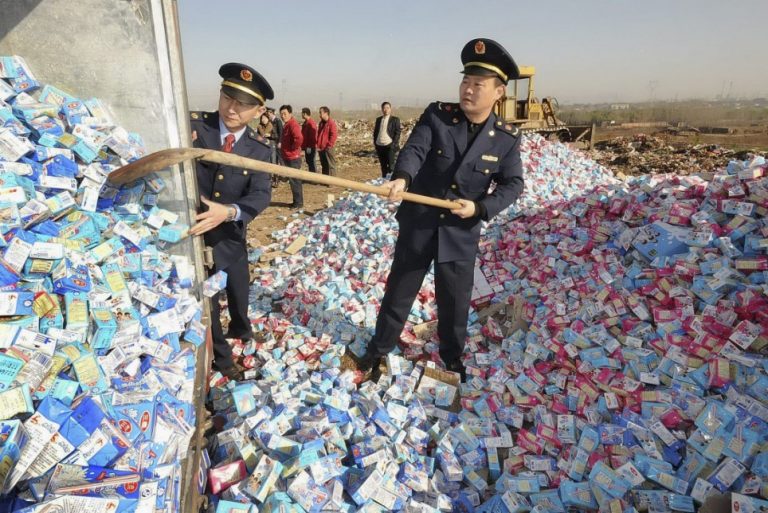
Abbott Laboratories faced significant challenges navigating the complex regulatory landscape in China, which ultimately led them to exit the infant formula market in the country.
Furthermore, competition in the Chinese baby formula market has been intensifying as more domestic and international players compete for a share of this lucrative industry. As consumer preferences continue to evolve, the market for infant formula in China remains highly competitive.
For instance, some parents now prioritize products made with high-quality ingredients or those offering added health benefits for their infants.
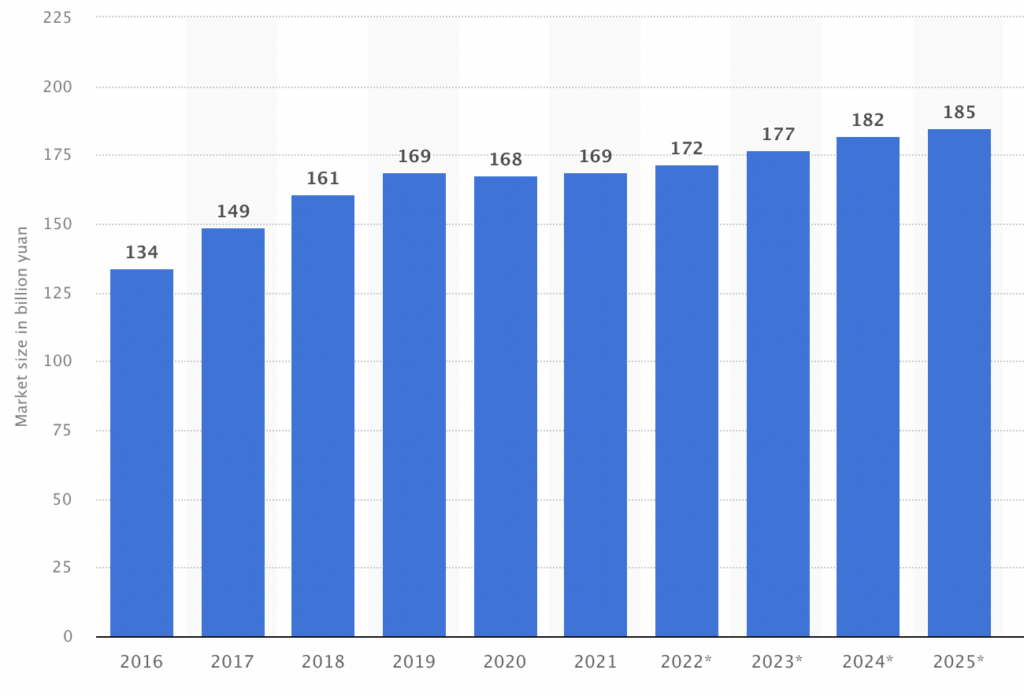
According to Euromonitor, the infant formula market size in China was estimated to be 136.95 billion yuan in 2022. Currently, this promising market leads to fierce competition among international and Chinese domestic infant formula brands.
China’s infant formula market is expected to grow at a CAGR of 8%, from $30 Billion in 2021 to $40 Billion by 2025.
Lessons Learned From Abbott’s Experience
One key lesson to be learned from Abbott’s experience in the Chinese baby formula market is the importance of understanding local regulations and building trust with Chinese consumers.
Importance Of Understanding Local Regulations
Navigating the complex landscape of local regulations is crucial for any business operating in the Chinese baby formula market.
One example where compliance plays a significant role is managing product recalls. When Abbott faced difficulties related to its baby formula recall in China, it was revealed that records had been falsified, resulting in legal settlements and damage to its brand image.
This underscores the need for businesses to adhere strictly to established health and safety standards as well as industry compliance requirements for recordkeeping practices while operating within specific jurisdictions like China.
Maintaining transparency and adopting ethical business strategies are critical elements when dealing with highly regulated sectors such as the Chinese baby formula market.
Building Trust With Chinese Consumers
It is crucial to prioritize building trust with Chinese consumers before entering the baby formula market.
The recent departure of Abbott Laboratories from the Chinese baby formula market highlights the significance of consumer trust and how it can make or break your business, especially in demand in China.
Product safety is a top priority for Chinese parents, given past incidents related to contaminated milk powder.
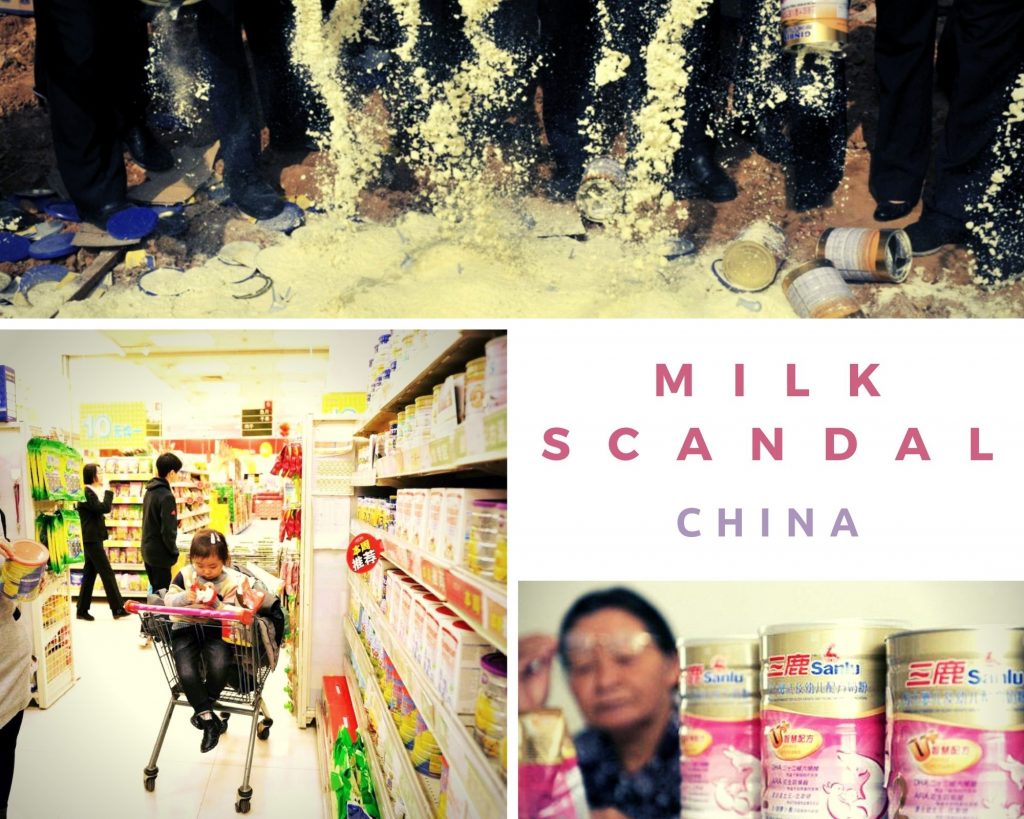
It is important to be transparent about your manufacturing processes and take steps to assure consumers that your products are safe for their children. Building strong relationships with key opinion leaders and influencers in China can also help build brand trust among target audiences.
Additionally, developing culturally-relevant communication strategies that align with local values and customs will go a long way in establishing credibility with customers in this diverse market.
Future Implications For The Chinese Baby Formula Market
Other foreign companies may see opportunities in the Chinese baby formula market with Abbott’s exit, but potential changes in China’s baby formula policies could also impact future competition and market dynamics.
Opportunities For Other Foreign Companies
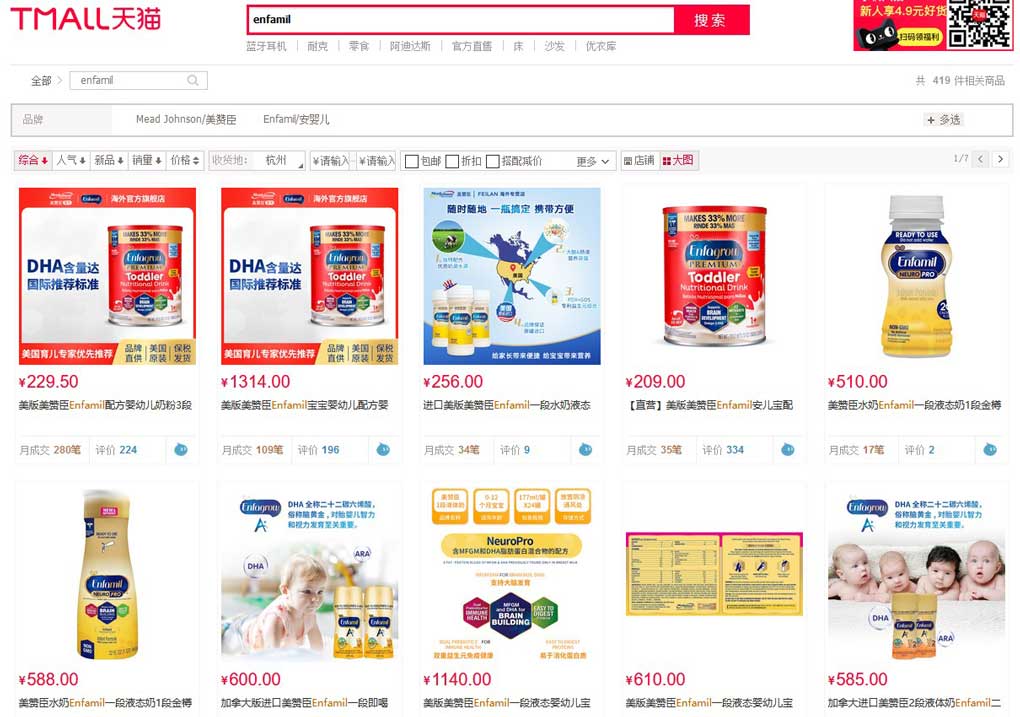
Due to the growth of the infant nutrition industry and market globalization, other foreign companies now have the potential to fill the void left by Abbott Laboratories’ departure from the Chinese baby formula market, presenting new opportunities :
- The diversified baby formula needs: The Chinese consumer demand for high-end formula trends has been increasing, and there is also a growing demand for specialized infant formulas such as those for premature babies, lactose intolerance, and allergies.
- Ultra-premium infant formula: The premium baby formula market in China is seeing high growth in ultra-premium products that are perceived as safer and more nutritious than local brands.
- Foreign competitors: The Chinese market is well-served by multiple other foreign companies such as Nestle and Danone that have established themselves in the region.
- Potential changes in China’s baby formula policies: As China continues to grow its middle class, the government may adjust its policies to meet new demands.
Potential Changes In China’s Baby Formula Policies
The Chinese government has been making efforts to improve food safety regulations, which may impact the baby formula market. Here are some potential changes in China’s baby formula policies:
- Stricter regulations on quality control and testing: The Chinese government may impose stricter guidelines on the quality control and testing of baby formula products to ensure they meet safety standards.
- Increased scrutiny of foreign companies: With Abbott’s departure from the market, foreign companies may face increased scrutiny from Chinese regulators to ensure compliance with food safety standards.
- Greater emphasis on domestic production: China may encourage domestic production of baby formula to reduce dependence on imported products.
- Focus on infant health and nutrition: The Chinese government may promote public awareness campaigns around infant health and nutrition, leading to increased demand for high-quality baby formula products.
- Adoption of international certification standards: To compete globally, China may adopt international certifications such as ISO 22000 or HACCP to ensure compliance with food safety standards in other countries.
We are your local partner in China!
Abbott Laboratories’ gradual withdrawal from the Chinese infant formula market highlights the intense competition and regulatory challenges that foreign companies face in this lucrative industry.
As other players continue to serve customers in China, it is important for companies to understand local regulations, build trust with consumers, and maintain competitive pricing strategies.
Foreign firms must also recognize cultural differences and adapt their brand strategies accordingly.
We are a China-based marketing agency offering cost-effective solutions to foreign brands interested in tapping into the Chinese market. Our team of Chinese and foreign experts has the experience and know-how needed to succeed in this lucrative, yet complicated market.
Gentlemen Marketing Agency offers many digital marketing and e-commerce solutions, such as web design, e-commerce and social media marketing strategies, localization, market research, KOL marketing, and more.
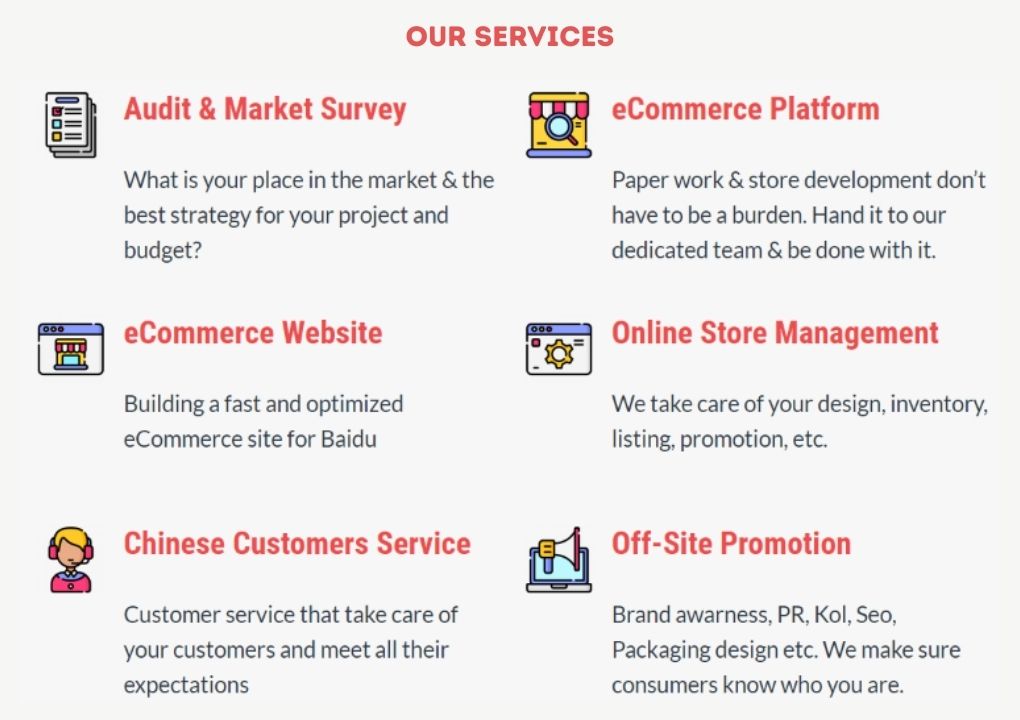
Don’t hesitate to leave us a comment or contact us, so that we can schedule a free consultation with one of our experts, that will learn about your brand and present you the best solutions for your China market strategy.