
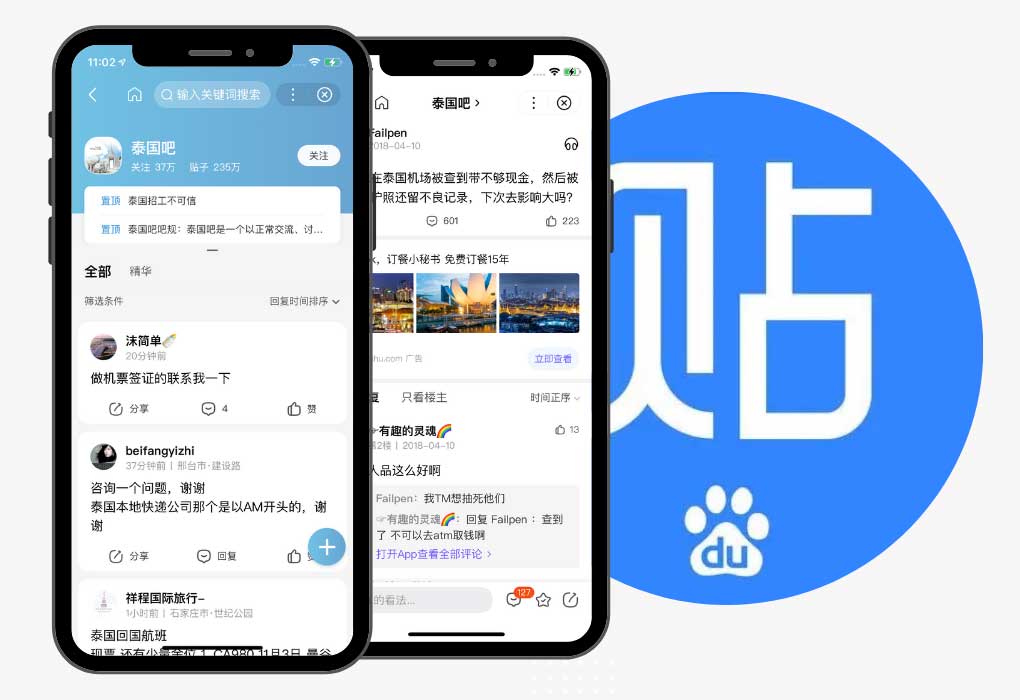
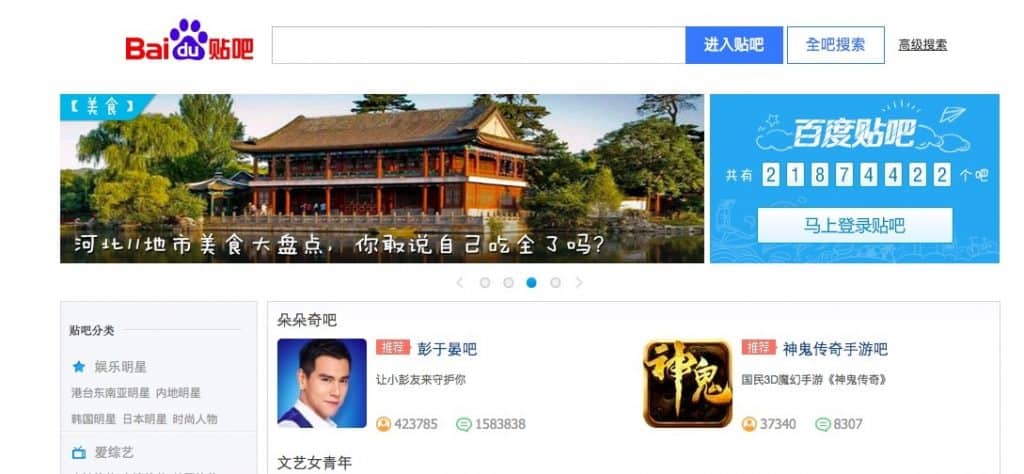
When it comes to online communities and discussion boards in China, Baidu Tieba stands out as the largest and most popular platform. Launched by the leading search engine company Baidu, this Reddit-like forum boasts millions of active users covering a wide range of topics, from pop culture to niche business insights.
In this blog post, we’ll explore everything you need to know about Baidu Tieba – its history, features, and how it can be used effectively as a marketing tool for your brand.
Need a cost effective TP (Tmall Partner) to sell in China?
We are an Official Tmall Partner e-commerce Agency. Our Services: E-Commerce, Search Engine Optimization, Advertising, Weibo, WeChat, WeChat Store & PR.
What is Baidu Tieba?
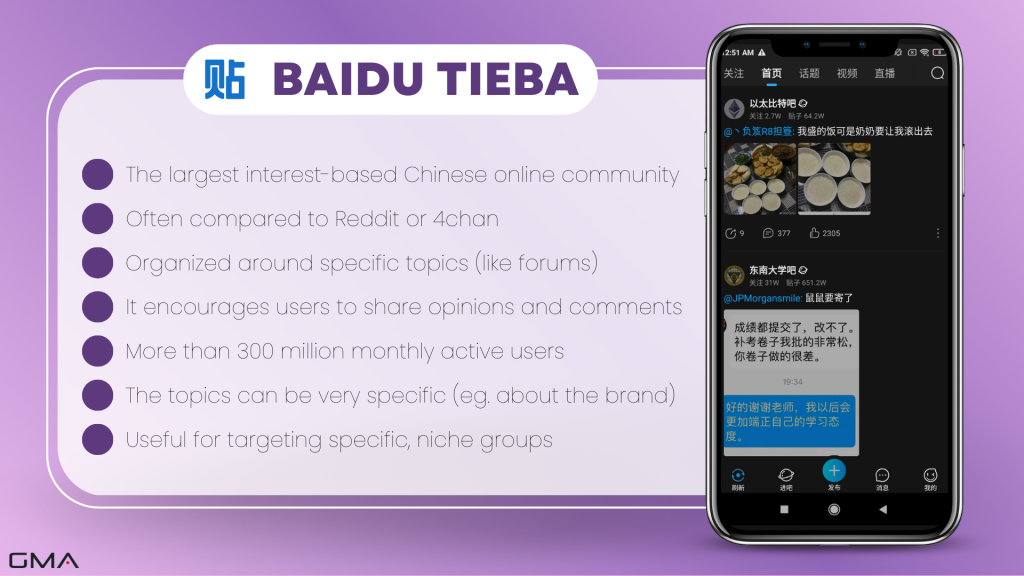
Baidu Tieba is an online forum platform created by the search engine company Baidu where users can participate in discussions and share information on a variety of topics. Tieba means ‘to post articles’, and this is exactly what this website is about.
One key feature of Baidu Tieba is its focus on user-generated content. This means that the vast majority of content on the platform is created by the Chinese online community rather than official sources or brands.
As a result, many Tiebas revolve around popular culture phenomena such as gaming, TV shows, and celebrities.
Comparison With Other Social Media Platforms
When comparing Baidu Tieba to other social media platforms, it’s crucial to consider the unique features, user bases, and marketing potential of each platform. To help illustrate the differences and similarities, I’ve created a table below:
| Platform | Primary Use | User Base | Marketing Potential |
|---|---|---|---|
| Baidu Tieba | Chinese users and the worldwide Chinese diaspora | Large Chinese-speaking community | High ranking in Baidu search, tailored targeting |
| Messaging, social networking, and e-commerce | Young Chinese users and the worldwide user base | Wide range of advertisement options, e-commerce potential | |
| Microblogging and sharing multimedia content | Primarily Chinese users, including celebrities and influencers | Brand promotion through influencers and paid advertisements | |
| Douyin (TikTok) | Short-form video sharing | Young Chinese users and worldwide user base | Engaging video content, collaborations with influencers |
| Little Red Book (Xiaohongshu) | Content sharing and e-commerce for fashion and lifestyle | Affluent, primarily female Chinese users | Product endorsements, influencer partnerships, e-commerce integration |
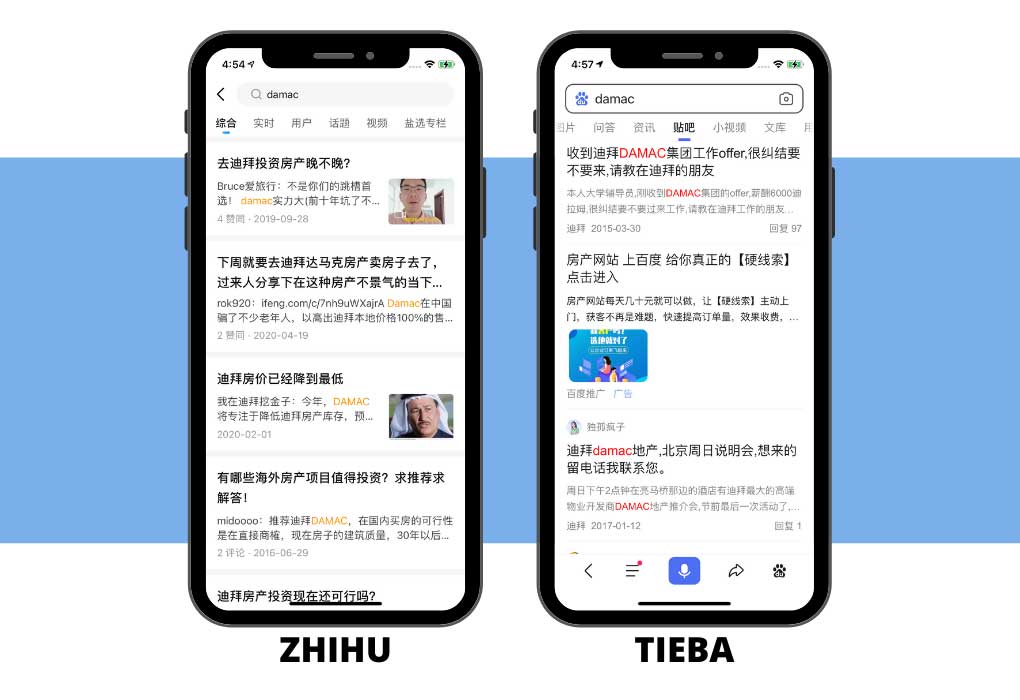
As seen in the table, Baidu Tieba offers a unique platform for businesses to engage with a large Chinese-speaking community through keyword-based content that ranks highly in Baidu search results. This sets it apart from other platforms, which may have different user demographics and advertising options.
How To Use Baidu Tieba
Learn how to create an account, join communities, build your reputation, and collaborate with local influencers on Baidu Tieba.
Account Creation And Community Joining
To start using Baidu Tieba, you have to create a Baidu account and join a community or write a Tieba post. Here’s how I did it:
1. Go to the Baidu Tieba homepage and click on the “Register” button.
2. Fill in the required information, including email address, mobile phone number, and password.
3. Verify your email or phone number by following the instructions provided.
4. Once your account is verified, search for communities of interest by typing keywords into the search bar.
5. Click on any community that catches your eye and click “Join” to become a member.
6. Participate in discussions by commenting on existing posts or creating new threads.
By creating an account and joining a community on Baidu Tieba, you will be able to access user-generated content and connect with like-minded individuals who share similar interests on this centralized interest network community platform.
Posting, Commenting, And Marketing
Here are some tips on how to use this social media platform effectively:
1. Regular Posting: Consistency is key when it comes to posting on Baidu Tieba. Aim to post at least once a week or more, depending on your target audience’s activity levels. Consistency is one of the key elements of promoting your business.
2. Engage in Conversations: Join relevant conversations and engage with users through comments and replies. This helps build rapport and can lead to more visibility for your posts.
3. Utilize Rich-Media Content: Incorporate images, videos, and other types of media into your posts to make them more engaging and shareable.
4. Leverage User-Generated Content: Encourage user-generated content by asking questions or providing incentives for users to share their experiences with your brand.
5. Collaborate with Influencers: Partnering with influential users on the platform can result in increased visibility and engagement for your brand.
6. Targeted Advertising: Use Baidu’s advertising capabilities to display ads to specific segments of users based on demographics, interests, or behaviors.
7. Monitor Your Posts’ Performance: Keep track of how well your posts are performing through analytics tools available in the platform. Adjust your strategy accordingly based on the data you gather.
By following these tips, you can effectively use Baidu Tieba as part of an overall digital marketing strategy that targets Chinese-speaking audiences online.
Building A Reputation
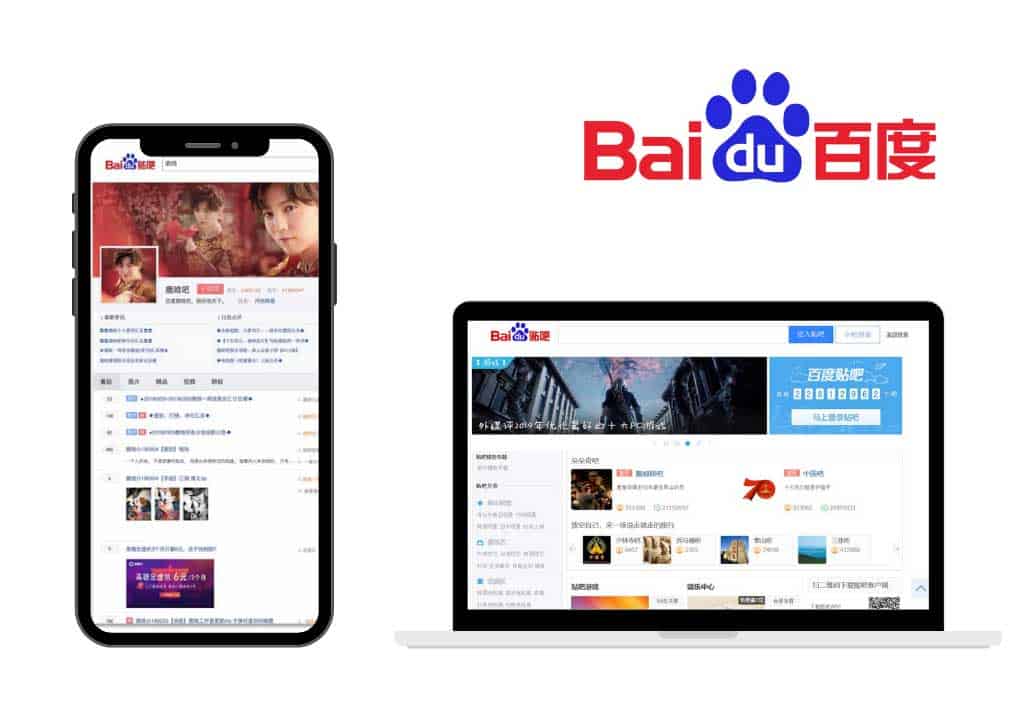
Building a reputation on Baidu Tieba is essential for businesses looking to establish their brand in the Chinese market. As one of the most popular online forums in China, Baidu Tieba provides an excellent platform for businesses to engage with their target audience and gain visibility.
By regularly posting high-quality content, commenting on relevant threads and hot posts, and building relationships with local influencers or KOLs, businesses can establish themselves as thought leaders within their industry.
Online reputation management is critical when using Baidu Tieba, given that it’s a public forum where users can freely express opinions about brands and products. However, by consistently engaging with the community and providing valuable insights into your business offerings or unique perspective on industry trends, companies can build trust among consumers while navigating concerns over fake accounts and censorship.
Benefits Of Using Baidu Tieba
Baidu Tieba is one of the most popular social media platforms in China and offers unique advantages for businesses and marketers looking to reach this audience. Here are some potential benefits:
1. High market share: Baidu Tieba has the highest market share among all online community forums in China (it is also the biggest competitor of Zhihu), providing a large and engaged audience for businesses to tap into.
2. Paid advertising options: Baidu Tieba offers opportunities for paid advertising, allowing businesses to promote their brand and target specific demographics.
3. Paid search: Baidu Tieba also offers paid search options, giving businesses the ability to bid on keywords related to their products or services.
4. Brand promotion: With its large user base and various marketing options, Baidu Tieba can be an effective tool for promoting brands in China.
5. Discussion forums: Baidu Tieba allows users to create their own discussion forums on specific topics, providing an opportunity for businesses to engage with consumers and establish themselves as thought leaders in their industry.
Integrating Baidu Tieba With Other Marketing Channels
By integrating Baidu Tieba with other marketing channels, such as coordinating campaigns with local influencers and cross-promoting content across platforms, businesses can expand their reach and engage with the Chinese-speaking audience more effectively.
Cross-promoting Content Across Platforms
One effective strategy for maximizing the impact of your marketing campaigns is cross-promoting content across platforms. Here are some tips on how to do this effectively using Baidu Tieba:
1. Share links to your other social media profiles and pages within your Baidu Tieba community.
2. Repurpose content from your other marketing channels (such as blog posts or videos) and share them on Baidu Tieba.
3. Use Baidu Tieba to drive traffic to your website by including links in your posts and comments.
4. Utilize similar branding and messaging across all of your marketing channels to create a cohesive brand identity.
By cross-promoting your content across platforms, you can reach a wider audience and reinforce your brand message in multiple places. However, make sure not to duplicate content too much or spam users with promotional messages, as this can backfire and turn potential customers away.

Coordinating Campaigns With Local Influencers And KOLs
One effective way to integrate Baidu Tieba with other marketing channels is by coordinating campaigns with local influencers and KOLs. These individuals have a strong following and can help businesses reach their target audience in China more effectively.
For instance, an influencer could post about a brand’s product or service on their personal account or create content related to the brand that resonates well with their followers.
This approach creates a win-win situation for both parties as the influencer gets paid for endorsing the brand while it gains access to new customers who trust the influencer’s judgment.
It also helps eliminate potential obstacles like cultural differences and language barriers since the influencer has already established credibility among their followers through regular interactions.
Integrating Baidu Tieba Into A Broader Marketing Strategy
Baidu Tieba can be integrated into a broader marketing strategy and other marketing channels related to Baidu.
For example, cross-promoting content across platforms is an effective way to reach a wider audience on Baidu Tieba. Brands can share links or create dedicated threads on Baidu Tieba that link back to their official website or WeChat account.
Integrating Baidu Tieba into a broader marketing strategy also offers insights into this dynamic market landscape in China. It allows businesses to navigate cultural sensitivities and local regulations while adapting to changing market dynamics and trends in the Chinese digital landscape.
We Are Your Local Partner in China!
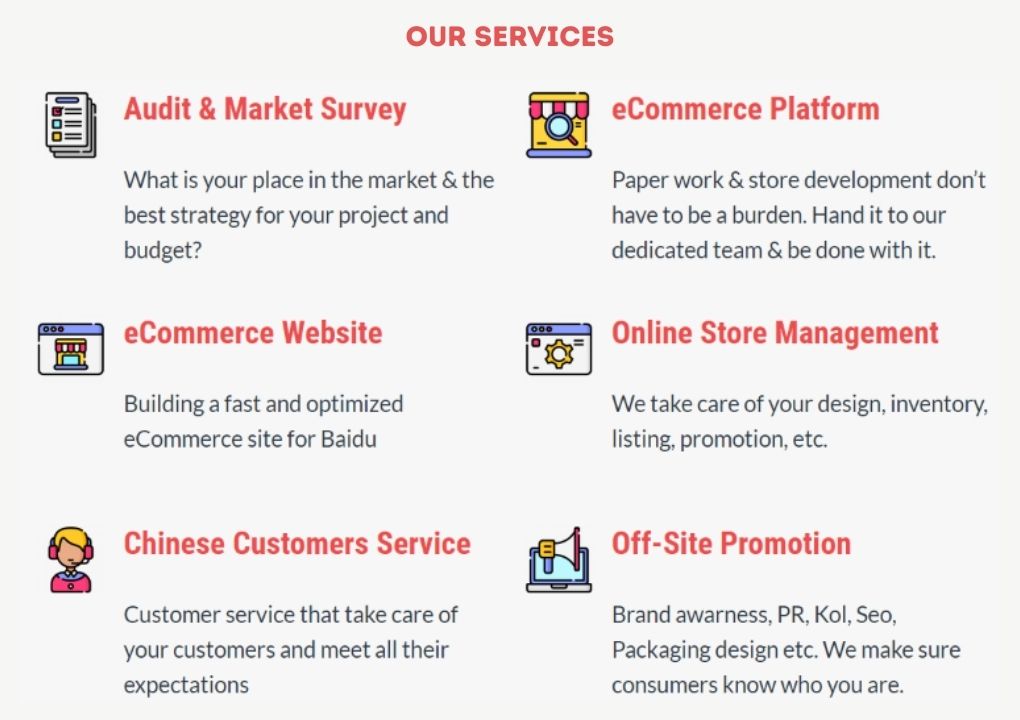
We are a China-based agency specializing in digital marketing and e-commerce solutions for Western brands interested in exploring the Chinese market.

We offer a vast variety of services depending on your company’s profile, goals, and budget.
Some of our services include:
Don’t hesitate to leave us a comment or contact us to discuss your options in the Chinese market. We offer a free consultation with one of our experts that will learn about your brand and advise you on the best strategy for China.




Follow comment of people on facebook Baidu Tieba
https://www.facebook.com/ecommercechinaagency/posts/pfbid0PDHGr7exysQgjxStiFeprcbE8VeqrMSonMPYPGjwMyANriBCZaAUYpf2nrwjveWil