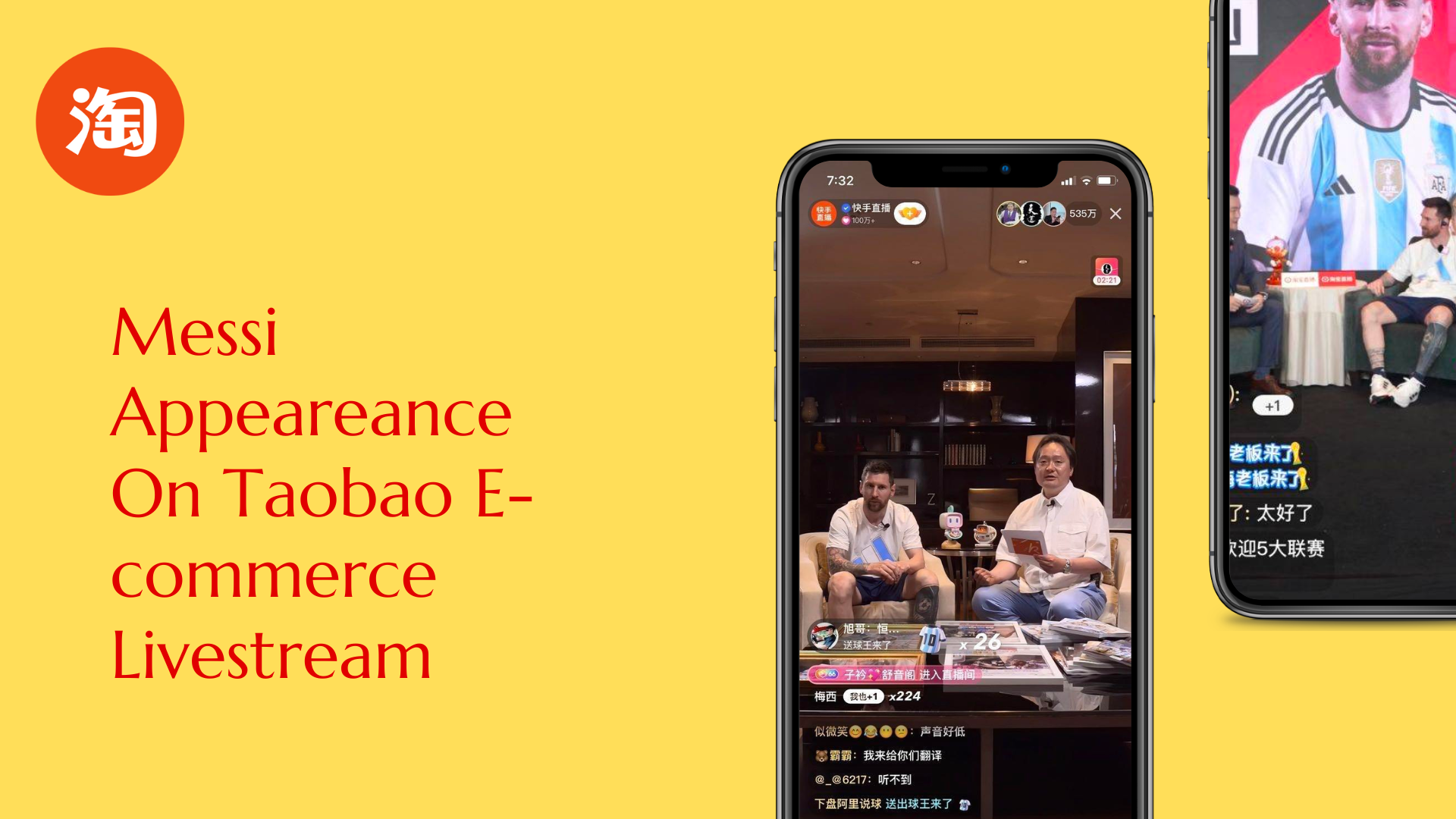
Are you mind-boggled by the recent surge in celebrity appearances on e-commerce live-streaming? Messi’s recent stint on Alibaba’s Taobao Live is a prime example!
Taobao is a popular online shopping platform in China that combines the convenience of e-commerce with the interactive experience of live commerce run usually by Key Opinion Leaders that boost overall live stream sales. It allows sellers to showcase their products in real-time through live videos, enabling consumers to interact with the sellers, ask questions, and make purchases directly within the live stream.
Need a cost effective TP (Tmall Partner) to sell in China?
We are an Official Tmall Partner e-commerce Agency. Our Services: E-Commerce, Search Engine Optimization, Advertising, Weibo, WeChat, WeChat Store & PR.
This innovative approach to online shopping has gained immense popularity, as it offers a unique and engaging shopping experience for users on Chinese social media and e-commerce platforms. With Taobao, customers can explore a wide range of products, get personalized recommendations, and enjoy special promotions, all while enjoying the convenience of online shopping from the comfort of their own homes.
In this article, we’ll dive deep into recent breaking news of Messi’s involvement with Taobao Live and how it reveals an emerging trend in digital marketing strategy. Ready to dig deeper into the virtual world of star-studded live-streaming?
Messi’s Appearance on Taobao Live
According to South China Morning Post, Lionel Messi’s presence on Alibaba’s Taobao Live had a significant impact, attracting over 2.5 million viewers in just 20 minutes, that watched livestream sessions, excited to see the football star. This boosted the platform’s popularity and increased audience engagement.
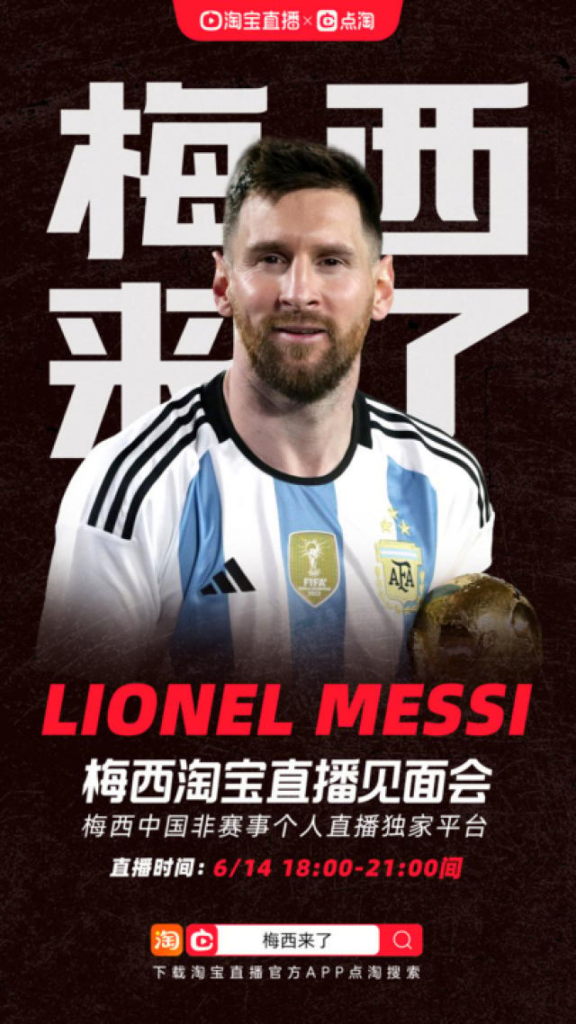
The integration of sports and commerce showcased innovation in the live-streaming market, proving that global star power can bring new opportunities even in a saturated industry.
This key event demonstrated how such celebrity appearances can significantly boost viewership on any online streaming channel – an invaluable insight for anyone steering their brand toward digital dominance.
Collaboration with Chinese liquor influencer Li Xuanzhuo
Our superstar, Lionel Messi, took an unconventional route to reach out to his massive fan base in China by teaming up with the enigmatic Chinese liquor influencer Li Xuanzhuo on Taobao Live.
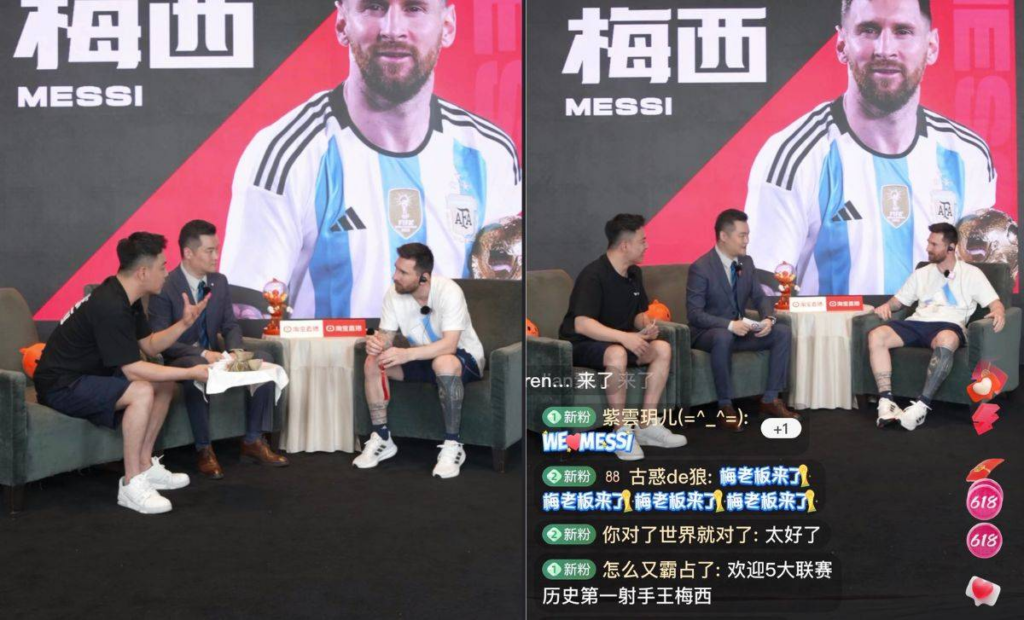
The result? An explosion of viewer interest and skyrocketing engagement rates! This dynamic duo of spontaneous live streamers kept the virtual crowd entertained from 6 PM to 9 PM, without selling a single product.
Just imagine – our beloved football maestro collaborating with Xuanzhuo, who shot to fame after selling over half a million bottles of liquor within three short days!
It’s this kind of cross-cultural collaboration and innovative influencer marketing strategy that helped tap into ‘Messi mania’ across the nation and significantly boost platform traction. It’s also important to understand, that any brand run streams nowadays, but not many are that successful. Here we can see the real power of celebrities and influencers in both online and offline resources.
Timing of appearance before Argentina’s friendly match in Beijing
Are you an avid follower of Messi’s career? It’s fascinating how his appearance on Taobao Live was strategically timed before Argentina’s international friendly match at Beijing stadium. This move generated excitement among football fans in China and worldwide.
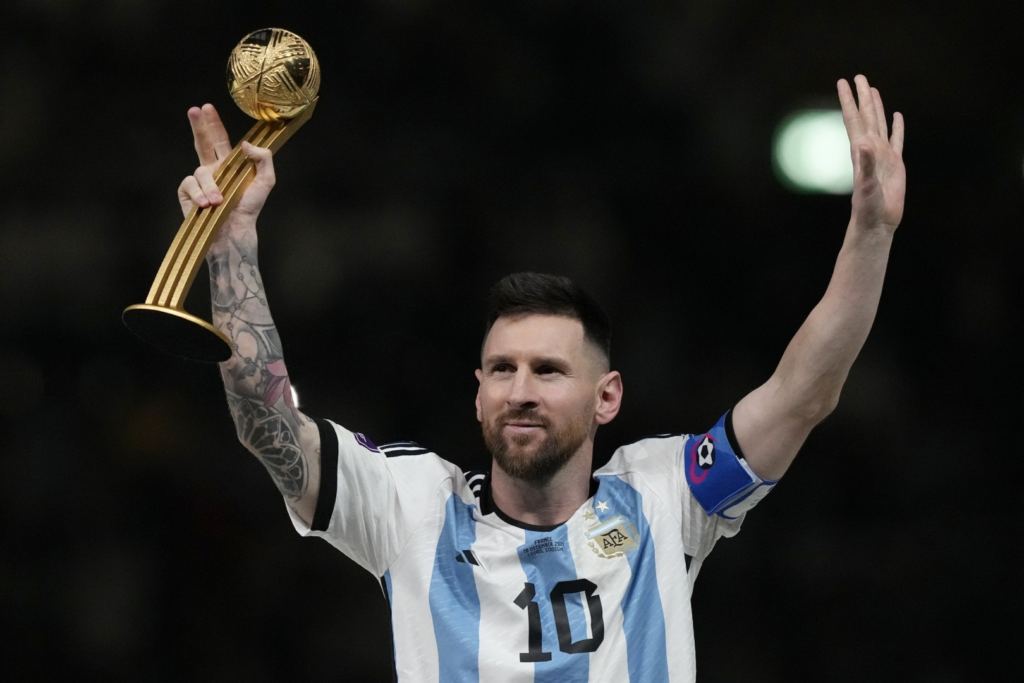
From a marketing perspective, it was a brilliant move that created a buzz online and strengthened both Messi’s global standing and Taobao Live’s reputation as a powerful e-commerce platform.
This is another successful example of sports stars using popular platforms to engage directly with their fans, which is something marketers dream about.
Impact of Messi’s Livestream Appearance
Messi’s livestream appearance on Taobao Live generated a significant increase in engagement and interest from fans, effectively promoting the e-commerce platform and potentially boosting sales and brand exposure.
Promotion of Taobao Live as an e-commerce platform
This collaboration between Messi and Taobao Live highlights the effectiveness of celebrity endorsements and influencer partnerships in generating interest and boosting sales. Messi’s live stream on Taobao Live garnered significant attention from both football fans and e-commerce enthusiasts worldwide.
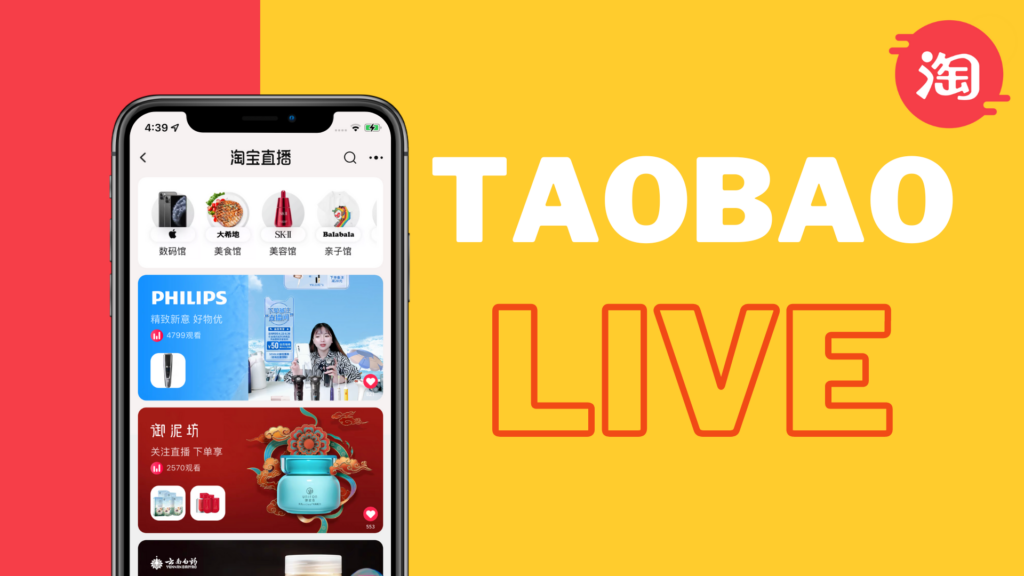
Through this partnership, Taobao Live aims to establish itself as a major player in the live-streaming e-commerce market, leveraging Messi’s popularity to attract a broader audience of Chinese consumers.
The promotional activities surrounding Messi’s appearance further emphasize Taobao Live’s dedication to offering distinctive and engaging content that seamlessly integrates entertainment and shopping.
Potential for sales and brand exposure
Messi’s livestream appearance on Taobao Live holds tremendous potential for sales and brand exposure. With over 2.5 million viewers tuning in, the sheer size of the audience itself opens up opportunities for increased visibility and engagement.
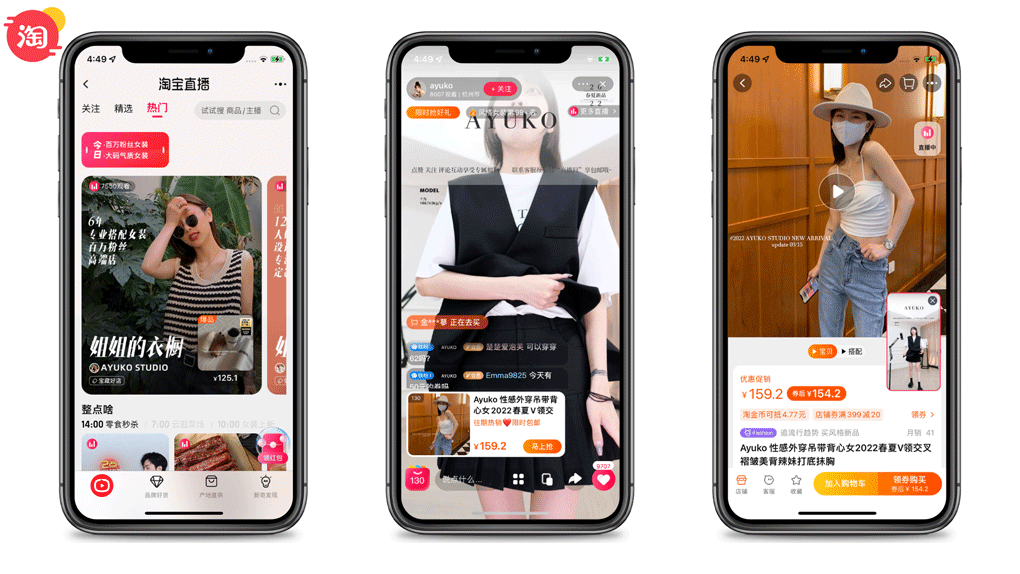
The buzz generated by this event has led to a surge in searches for Messi-related merchandise, showcasing the significant impact it had on generating interest from fans. Leveraging celebrity endorsements like this not only strengthens brand presence but also creates a powerful connection with the fan base.
The success of Messi’s collaboration with Taobao Live underscores the immense possibilities of utilizing influencer marketing and live video streaming as effective e-commerce strategies.
Highlights of Messi’s Livestream
During the livestream, Messi discussed his favorite moments on the field and interacted with fans, creating an intimate connection that left viewers wanting more.
Read on to discover the key takeaways and memorable moments from Messi’s appearance on Taobao Live!
Duration and format of the livestream
The livestream featuring Lionel Messi on Taobao Live lasted for a total of 20 minutes. During this time, Messi engaged with fans and answered their questions, showcasing his charismatic and down-to-earth personality.
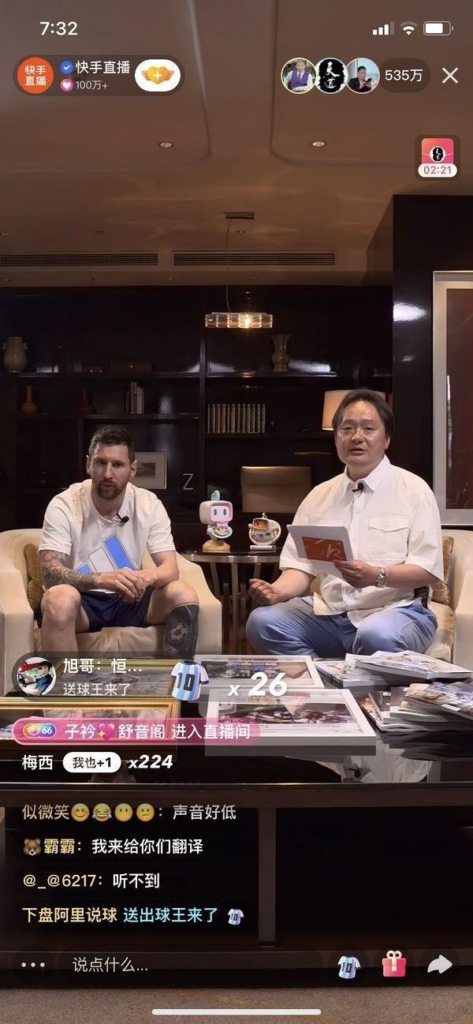
The format of the live stream allowed viewers to interact with Messi effectively, creating an engaging and interactive experience for fans.
This virtual appearance by Messi on Taobao Live demonstrated the growing trend of celebrities using live-streaming as a means to connect with their fanbase, while also providing a promotional opportunity for e-commerce platforms like Taobao to reach a wider audience.
Key takeaways and memorable moments
During Messi’s livestream appearance on Taobao Live, he engaged with his fans and discussed various topics, such as his visit to China and his future plans.
The event attracted over 2.5 million viewers, highlighting Messi’s immense popularity. This marked his seventh visit to China, showcasing his strong following in the country.
The live stream generated viral buzz on social media platforms and highlighted the trend of celebrities using live-streaming platforms to connect with their fans.
Contact us to leverage the power of live-streaming in China!
Messi’s appearance on Taobao Live has proven to be a game-changer for both the e-commerce platform and his fans. With over 2.5 million viewers, the livestream showcased the power of live-streaming in engaging with audiences and promoting brands.
The collaboration between Messi and Taobao Live highlights the growing influence of influencers in driving sales and brand exposure. Overall, this event serves as a testament to the global appeal of football superstars like Messi and their ability to connect with fans worldwide through innovative platforms like Taobao Live.

We are a China-based marketing agency offering cost-effective solutions to foreign brands interested in tapping into the Chinese eCommerce market. Our team of Chinese and foreign experts has the experience and know-how needed to succeed in this lucrative, yet complicated market.
Gentlemen Marketing Agency offers many digital marketing and e-commerce solutions, such as web design, e-commerce and social media marketing strategies, localization, market research, KOL marketing, and more.
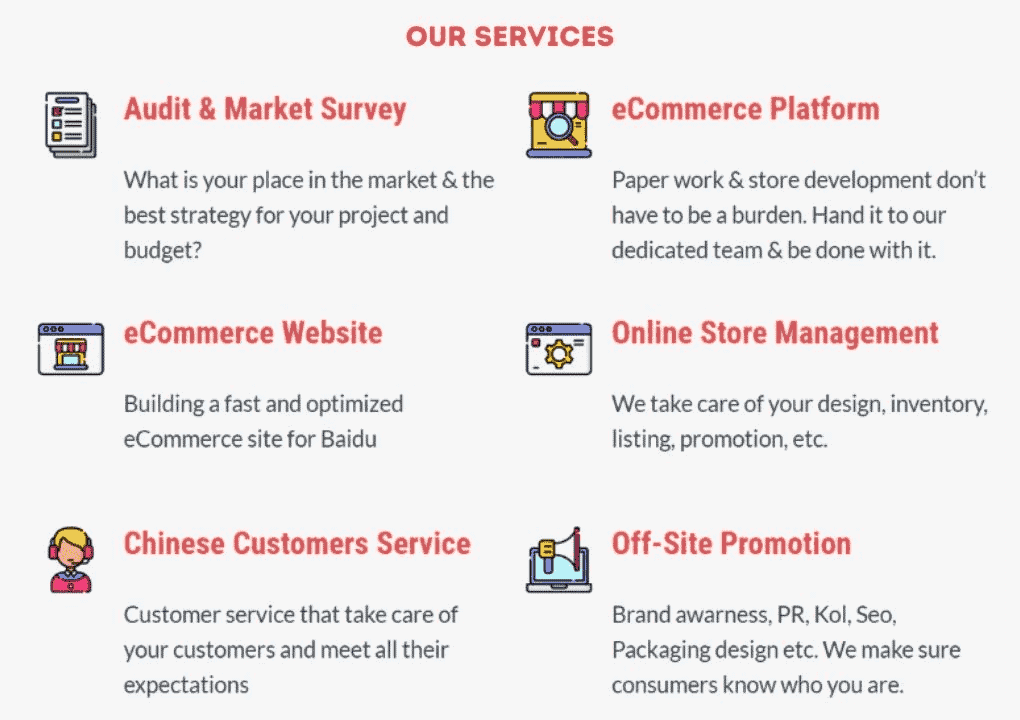
Don’t hesitate to leave us a comment or contact us, so that we can schedule a free consultation with one of our experts, that will learn about your brand and present you the best solutions for your China market strategy.