
Are you looking to grab a slice of the booming e-commerce marketplace in China but unsure where to start? Chinese short-video platforms like Douyin and Kuaishou are powerful tools for e-commerce growth.
With 80% of China’s netizens using these platforms, mastering their use can supercharge your online sales journey. This article will guide you through harnessing them effectively – because when it comes to selling online in China, small videos can mean big business.
Need a cost effective TP (Tmall Partner) to sell in China?
We are an Official Tmall Partner e-commerce Agency. Our Services: E-Commerce, Search Engine Optimization, Advertising, Weibo, WeChat, WeChat Store & PR.
Key Takeaways
- Douyin (Chinese TikTok) is the most popular short-video platform in China, while Kuaishou is a fast-growing player in lower-tier cities.
- It is crucial to define your target audience, develop a content strategy, set up and optimize an official account, create high-quality video content, leverage influencers or KOLs for promotion, utilize paid advertising, keep videos short and visually appealing, and engage with the audience to effectively use Chinese short video platforms for e-commerce.

Overview of Chinese Short Video Platforms
Douyin (Chinese TikTok)
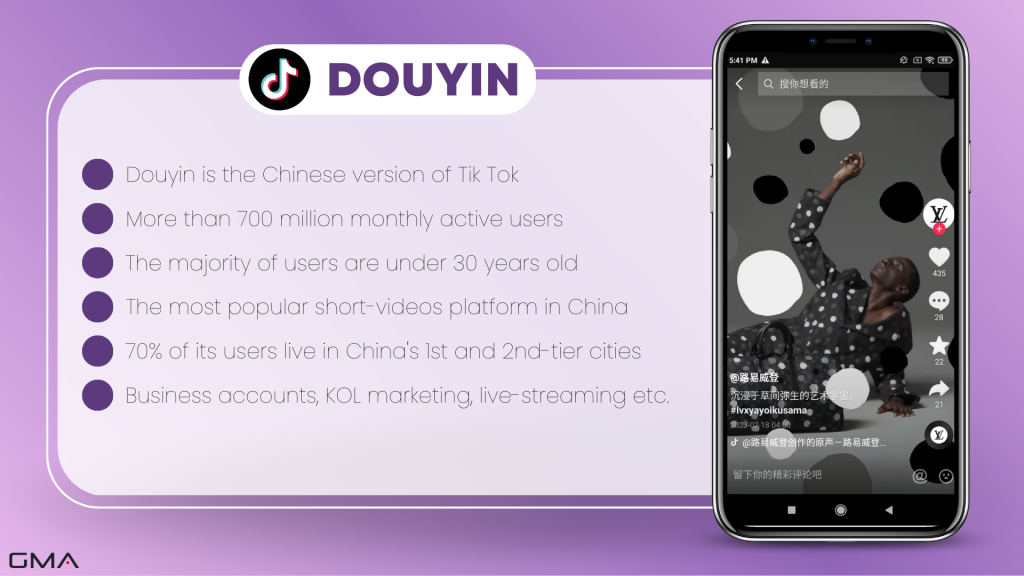
Douyin, often referred to as the Chinese TikTok, is a big deal in the world of Chinese short video apps. Holding over 700 million monthly active users, it’s not surprising that Douyin has earned its reputation as China’s most popular short-video platform.
Unlike other platforms that took inspiration from Western social media trends, this short-video app stands unique with features crafted for its own audience. What’s more exciting is the fact that before TikTok even made a splash on the international scene, its Chinese version had already planted its roots and popularity deep within the Chinese social media landscape thanks to Bytedance.
Recently sparking interest among brands, it now serves as a playground where they engage with consumers through e-commerce efforts right on this dynamic platform!
Kuaishou (Lower-tier Cities Go-to Platform)
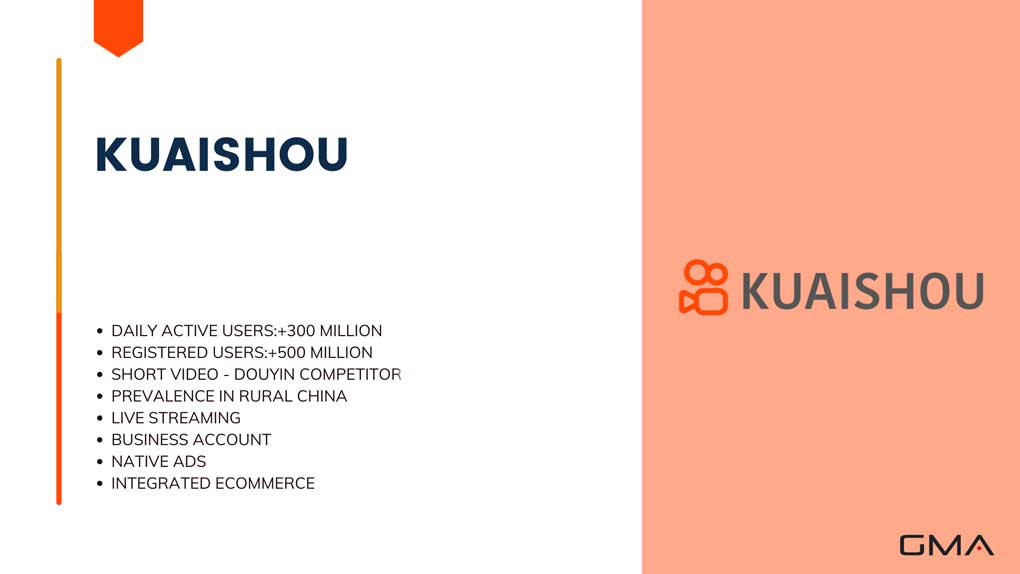
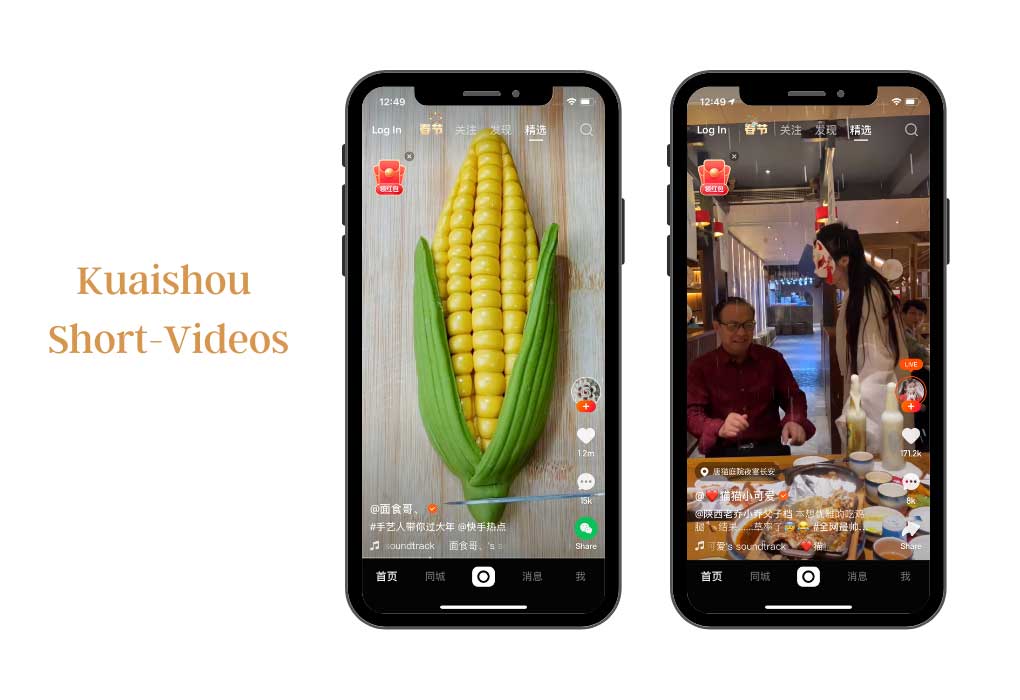
Kuaishou is a fast-growing player in the short-video landscape with its eyes set on smaller cities and rural areas. Its appeal lies within these less tech-savvy locations, where it has managed to carve out a strong base of 300 million daily active users.
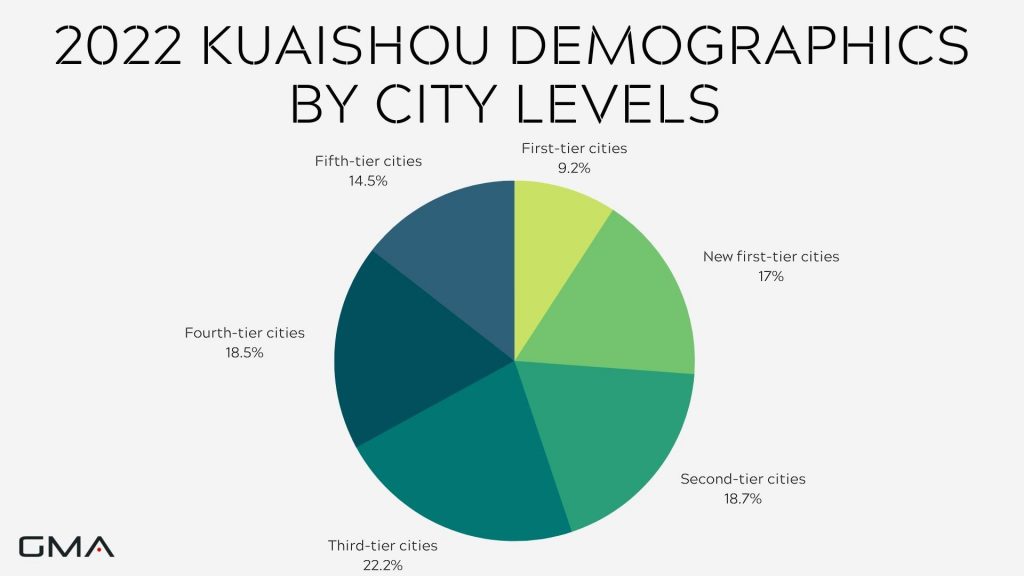
In fact, back in December 2020, almost two-thirds (64.9%) of Kuaishou’s user base resided in Tier 3 cities or even more remote locales. It’s definitely a rising star on the Chinese social media scene.
This customer pool gives Kuaishou an edge over competitors like TikTok when it comes to e-commerce conversion rates. It manages to convert viewers into buyers at a rate that is five to ten times higher than TikTok’s conversion rate! The platform’s masterstroke was pivoting toward becoming an e-commerce-focused app designed for lower-tier city residents who aren’t as exposed to technology compared to their metropolitan counterparts.
This strategic move helped them boost engagement and increase sales from these untapped sectors.
Differences Between Douyin and Kuaishou
| Douyin | Kuaishou |
|---|---|
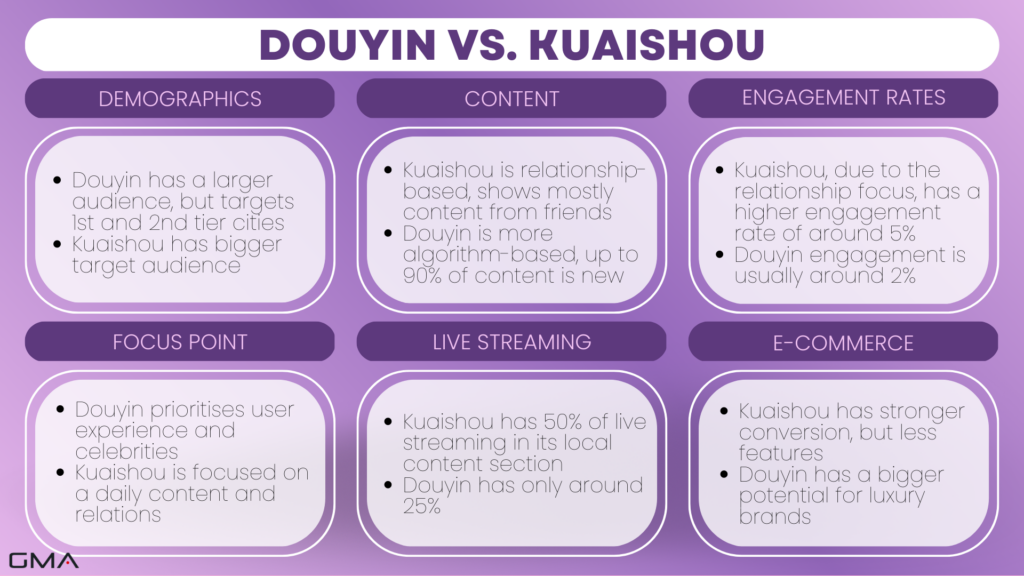
| Douyin, also known as TikTok in the international market, is China’s leading short video platform. | Kuaishou, known as Kwai in the international market, is the second-largest short video platform in China. |
| The user base of Douyin is mainly from first- and second-tier cities in China. This demographic usually has a higher purchasing power and is more likely to make impulse purchases. | Kuaishou attracts a larger proportion of users from lower-tier markets in China. They’re known for their price-sensitive nature and usually prefer value-for-money products. |
| Douyin often collaborates with e-commerce platforms (such as JD.com) to leverage each other’s strengths. | Douyin utilizes a diversified monetization model, including commissions from e-commerce and live streaming. |
| Douyin utilizes a diversified monetization model, including commissions from e-commerce and live-streaming. | Kuaishou uses a similar monetization model to Douyin, including commissions from e-commerce and live-streaming. |
Steps to Utilize Chinese Short Video Platforms for E-commerce
Define Target Audience
To effectively utilize Chinese short video platforms for e-commerce, it is crucial to define your target audience. By identifying the specific demographic you are trying to reach, you can tailor your content strategy and engage with the right viewers.
Keep in mind that even the elderly population in China watches short videos, so they present a new potential market for these platforms. Conducting a thorough analysis of the local Chinese market and understanding prominent B2B websites will also help you take advantage of e-commerce opportunities in China.
So, understanding who your target audience is will be vital for achieving success on Chinese short video platforms.
Develop Content Strategy
To successfully utilize Chinese short video platforms for e-commerce, it is crucial to develop a solid content strategy. This involves understanding your target audience and what type of content will resonate with them.
By conducting market research and analyzing customer behavior, you can create videos that are specifically designed to appeal to your potential buyers.
When developing your content strategy, keep in mind the importance of high-quality videos that are visually appealing. Short-form videos perform well on these platforms, so make sure to keep them concise and engaging.
Additionally, consider leveraging influencers or Key Opinion Leaders (KOLs) who have a strong following on these platforms for promotion purposes.
Another important aspect of your content strategy is utilizing paid advertising options available on short video platforms. By investing in targeted ads, you can reach a wider audience and drive traffic to your e-commerce site.
Set up and Optimize Official Account
To successfully utilize Chinese short video platforms for e-commerce, it is crucial to set up and optimize an official account. Here are the steps to do so:
- Choose the right platform: Select the short video platform that aligns with your target audience and brand image.
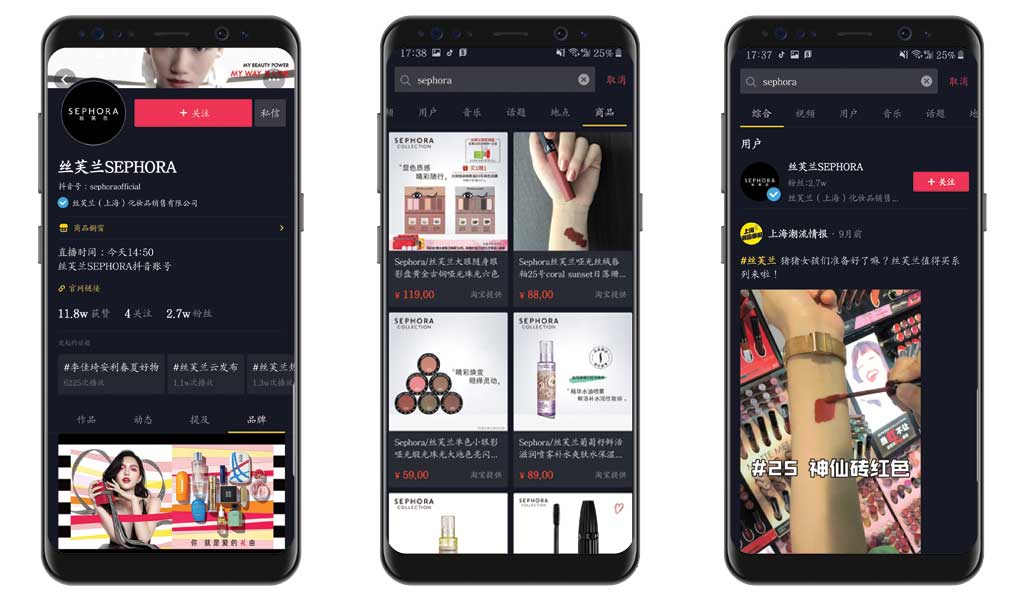
- Register an official account: Create a business account on the chosen platform and complete all necessary registration steps.
- Customize your profile: Optimize your profile by adding a catchy profile picture, engaging bio, and relevant contact information.
- Define your branding: Ensure that your official account reflects your brand’s identity through consistent visuals, colors, and messaging.
- Upload high-quality content: Share visually appealing videos that showcase your products or services in an engaging way.
- Utilize trending features: Stay updated with the latest features offered by the platform and incorporate them into your videos to attract more attention.
- Engage with viewers: Respond to comments, answer questions, and interact with your audience to build a strong connection and increase engagement.
- Collaborate with influencers or KOL: Partnering with influential users can help expand your reach and credibility on the platform.
- Analyze performance metrics: Regularly track the performance of your videos using analytics tools provided by the platform to identify areas for improvement.

Create High-Quality Video Content
To effectively utilize Chinese short video platforms for e-commerce, it is crucial to create high-quality video content. By producing visually appealing videos that engage and captivate your target audience, you can significantly increase brand visibility and drive customer engagement.
Showcasing your products or services in action, highlighting key features and benefits, and telling compelling stories can help build trust and generate interest among potential customers.
Incorporating elements such as professional editing, clear visuals, and catchy background music can further enhance the quality of your videos. Remember that in China’s competitive market, where short-form videos are highly valued by consumers, creating high-quality video content is the key to standing out from the crowd and achieving success on these platforms.
Leverage Influencers or KOLs for Promotion
Collaborating with influencers or Key Opinion Leaders (KOLs) on Chinese short video platforms can be incredibly effective for promoting your e-commerce business. These influential individuals have a wide reach and are highly trusted by their followers, making them perfect partners for raising brand awareness and driving engagement.
By partnering with KOLs, you can tap into their existing audience base and leverage their influence to showcase your product reviews or services. This type of influencer marketing has become increasingly popular in China, with brands using it as a powerful tool to connect with their target audience and drive conversions.
So if you want to maximize the impact of your e-commerce efforts on short video platforms, it’s essential to collaborate with trusted influencers who align with your brand values and have a strong following.

Utilize paid advertising
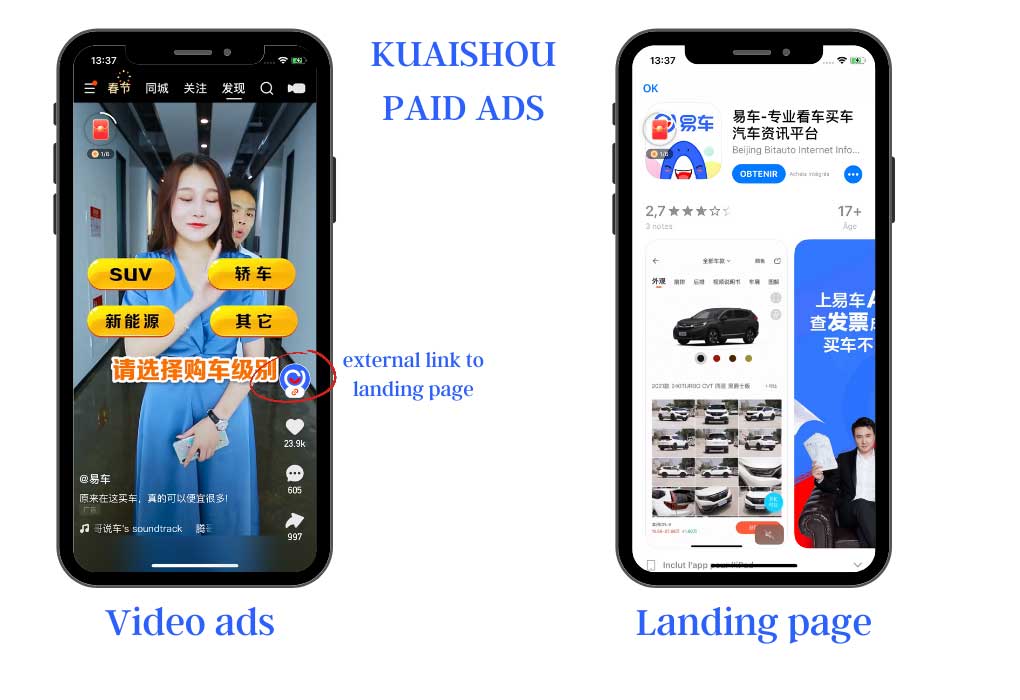
Paid advertising is an essential strategy to generate revenue on Chinese short video platforms for e-commerce. By investing in paid ads, businesses can effectively promote their products and services to a wide audience of Chinese consumers.
These platforms provide various advertising options, such as sponsored videos and banner ads, allowing brands to reach their target audience with precision. E-commerce companies in China have been using paid advertising on short video platforms to great effect, leveraging influencer marketing and celebrity endorsements for increased brand exposure.
By utilizing paid advertising, businesses can take advantage of the innovative approaches employed by Chinese e-commerce companies and build a strong presence on these popular platforms.
Keep Videos Short and Visually Appealing
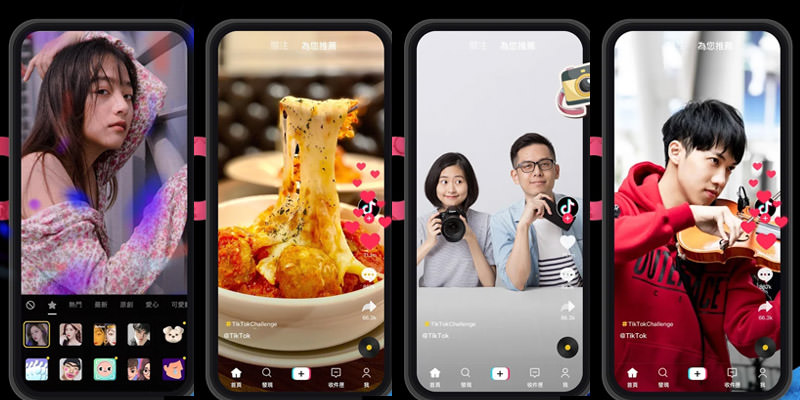
Creating short and visually appealing videos is crucial for successful e-commerce on Chinese short video platforms. By keeping your videos concise and focusing on eye-catching visuals, you can grab the audience’s attention and keep them engaged with your content.
Captivating imagery and compelling short videos are more likely to be shared and recommended by users, increasing brand visibility and driving traffic to your e-commerce platform. Don’t underestimate the power of visual attractiveness in videos – it can make a significant impact on the success of your marketing efforts.
So, remember to invest time in creating visually stimulating videos that will leave a lasting impression on your target audience.
Engage with the audience
To maximize the success of your e-commerce efforts on Chinese short video platforms, it’s crucial to engage with Chinese users. By interacting and building genuine connections with your viewers, you can foster a strong sense of trust and loyalty.
Responding to comments and messages promptly and encouraging user-generated content on Chinese social media apps shows that you value their feedback and are committed to providing excellent customer service. You can also encourage audience engagement by asking questions or requesting their opinions in the videos themselves.
Remember, the more active you are in engaging with your audience, the more likely they are to support your brand and share your content with others. So don’t hesitate to connect with them on these popular platforms!
Tips for Successful E-commerce on Short Video Platforms
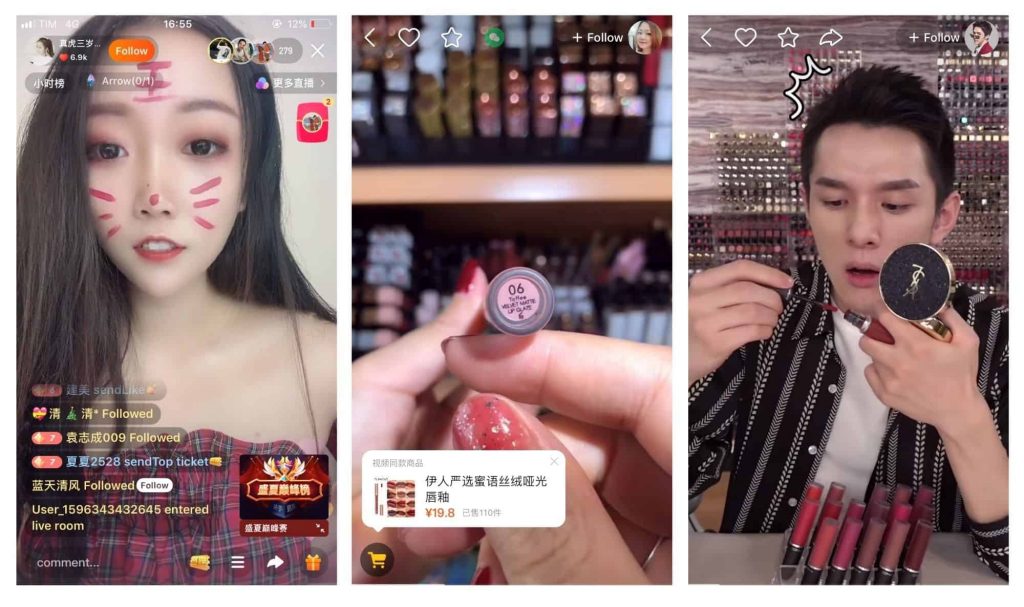
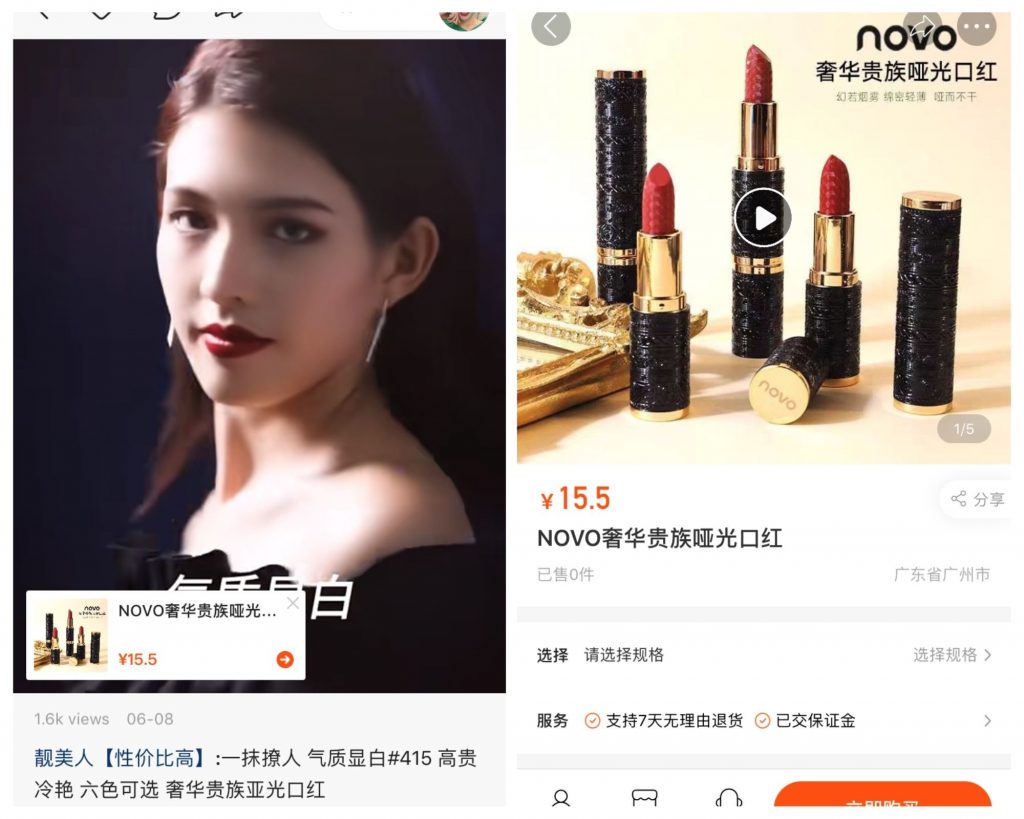
Show How to Use Products
To effectively showcase your products on Chinese short video platforms, it’s essential to demonstrate how they can be used. By giving your audience a clear understanding of the product’s features and benefits, you’ll increase their interest and likelihood of making a purchase.
In your videos, provide step-by-step instructions on how to use the products, highlighting key functionalities and demonstrating real-life scenarios where they come in handy. This will not only educate your potential customers but also build trust in the quality and usefulness of your offerings.
Make sure to keep these demonstrations engaging and visually appealing to capture attention and leave a lasting impression.
By incorporating the “show how to use” approach into your content strategy on Chinese short video platforms, you tap into consumers’ desire for visual learning experiences. Share practical tips, tricks, or creative ideas that highlight different ways products can be utilized.
Showcase events
Showcasing events on short video platforms is a great way to engage with your audience and boost e-commerce sales. Whether it’s a product launch, a special promotion, or an exclusive behind-the-scenes look, showcasing events through short videos can generate excitement and interest among your customers.
By providing a visual experience of the event, you can effectively demonstrate how your products work and create a sense of urgency for online shoppers. Additionally, sharing these videos on social media platforms can help increase brand awareness and drive traffic to your online store.
So don’t miss out on this opportunity to captivate your audience and make your mark in the world of e-commerce!
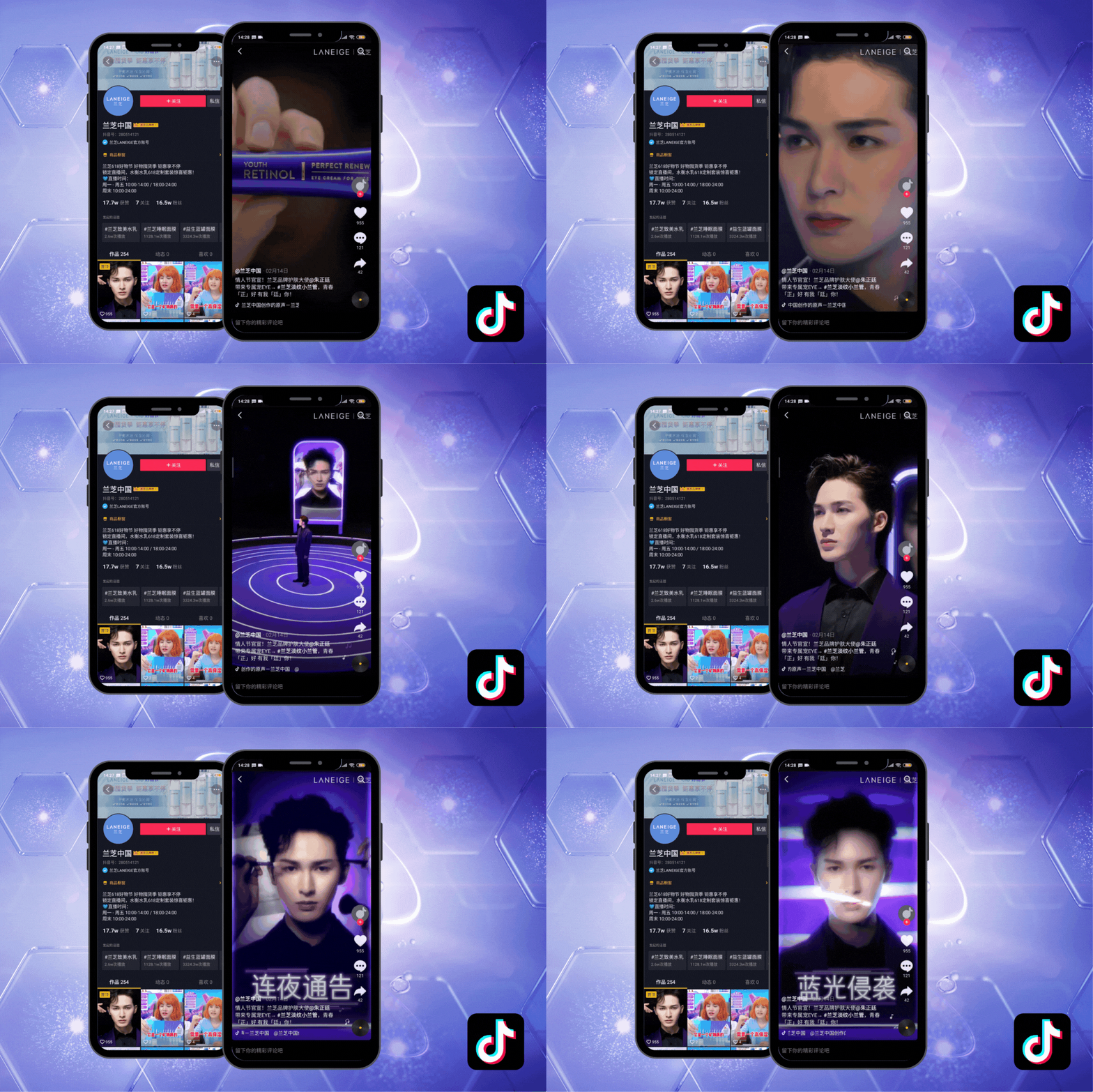
Reveal New Products
I love the excitement of revealing new products on short video platforms. It’s a great way to captivate your audience and create buzz around your brand. By showcasing your latest offerings in an engaging and visually appealing manner, you can generate interest and drive sales.
Take advantage of the short video format to highlight key features, demonstrate how to use the products, and even go behind the scenes to give viewers an exclusive look at your creation process.
With Chinese short video platforms like Douyin (Chinese TikTok) and Kuaishou gaining popularity, it’s important for e-commerce businesses to leverage these platforms for maximum impact.
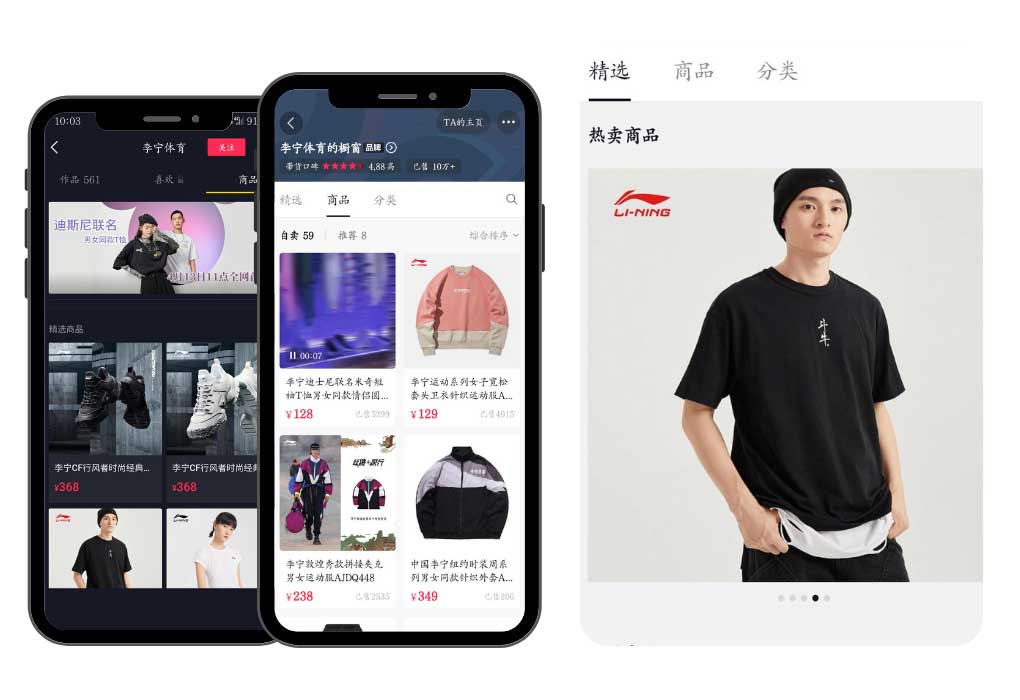
Go Behind the Scenes
Behind-the-scenes videos are a powerful tool for building brand image and fostering customer loyalty on short video platforms. These videos offer an inside look at your business, showcasing how products are made, events are organized, or new products are revealed.
By showing the behind-the-scenes process, you create a sense of authenticity and transparency that resonates with customers. Additionally, these videos can be used to engage and interact with the audience through interactive campaigns.
By going behind the scenes, you give customers an exclusive glimpse into your world, creating a stronger connection that can translate into increased sales and customer satisfaction.
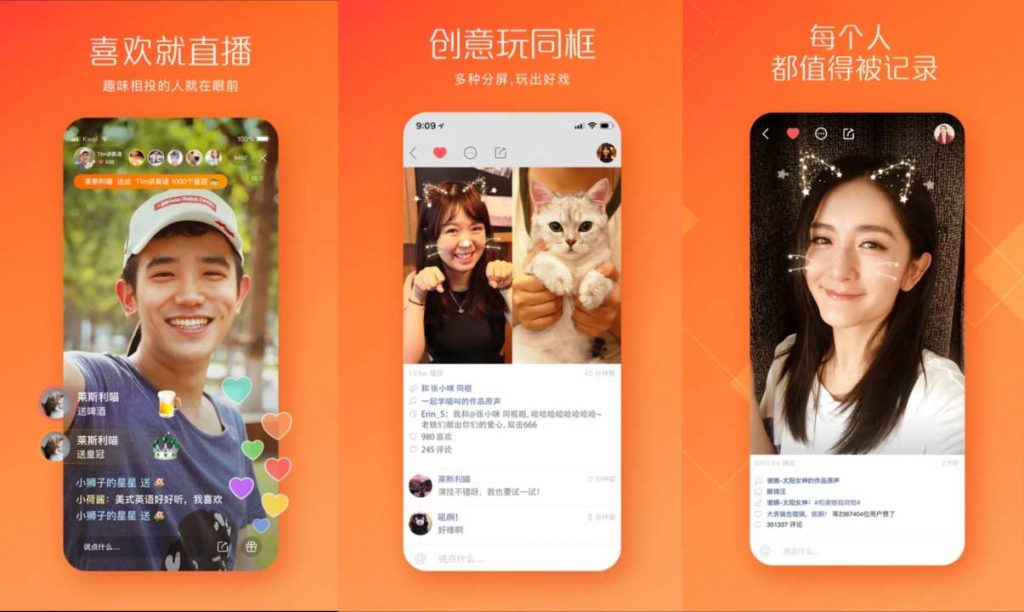
Interactive Campaigns
Interactive campaigns on short video platforms are an essential strategy for successful e-commerce. These campaigns allow you to engage with your audience in a fun and interactive way, which can lead to increased customer engagement and higher conversion rates.
By incorporating elements such as quizzes, polls, challenges, or contests into your videos, you can encourage viewers to actively participate and interact with your brand. This not only helps to create a more memorable and enjoyable shopping experience but also fosters a sense of community around your products or services.
So don’t miss out on the opportunity to run interactive campaigns on short video platforms – they have the potential to take your e-commerce efforts to new heights!
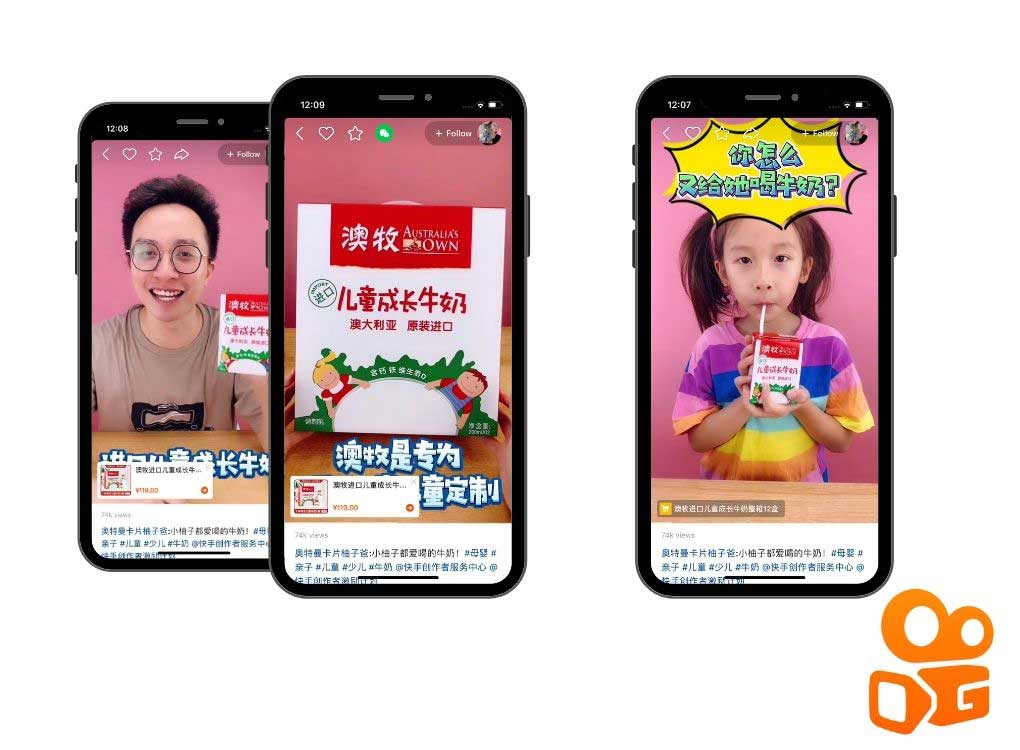
We Can Help You With Chinese Short-Video Platforms Marketing Strategy!
As short-form videos continue to dominate Chinese e-commerce and live streaming becomes more integrated, it’s essential for brands to embrace this trend and make short video platforms an integral part of their marketing strategies. Our agency is ready to assist you in maximizing the potential of these platforms and achieving your business goals.

If you are interested in leveraging the power of Chinese short video platforms for your e-commerce business and need assistance with setting up, content creation, and marketing strategies, don’t hesitate to contact us. Our team of experts is here to help you make the most of these platforms and drive success for your brand.

Feel free to reach out to us at GMA. Let’s work together to achieve your goals in the dynamic world of Chinese short video marketing and popular social media apps among Chinese social media users!