Skip to content
E-Commerce Agency in China

The Popularity of Wellness Brands in China: the Lululemon case Study

9 min read
Harry

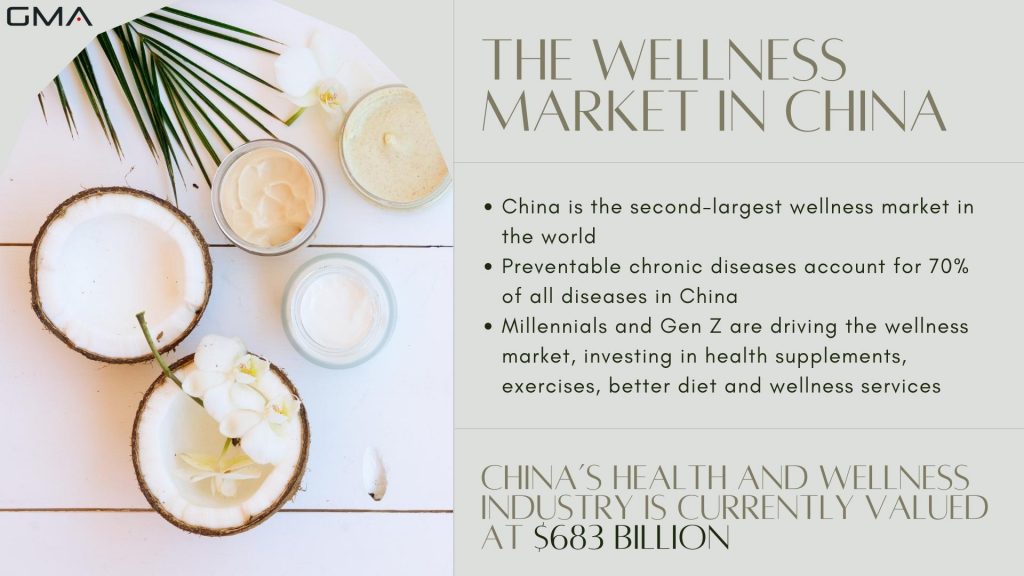
China’s wellness market has gone from a niche lifestyle trend to one of the most commercially significant consumer categories in the country. Estimated at over RMB 1.5 trillion ($205 billion) in 2024 and growing at 12-15% annually, it is attracting brands from activewear, nutrition, beauty, travel, and technology — all competing for a share of Chinese consumers’ growing spending on health and wellbeing.

No brand illustrates the opportunity better than Lululemon. In 2023, Lululemon reported a 67% year-on-year revenue increase in mainland China — the strongest growth of any major market globally. By the end of 2024, China had become one of Lululemon’s top five markets by revenue, with over 130 stores and a digital-first consumer base that skews heavily female and urban.

This guide explains why the China wellness market is growing, who is winning, and what foreign wellness brands can learn from Lululemon’s approach.

Why China’s Wellness Market Is Growing Now

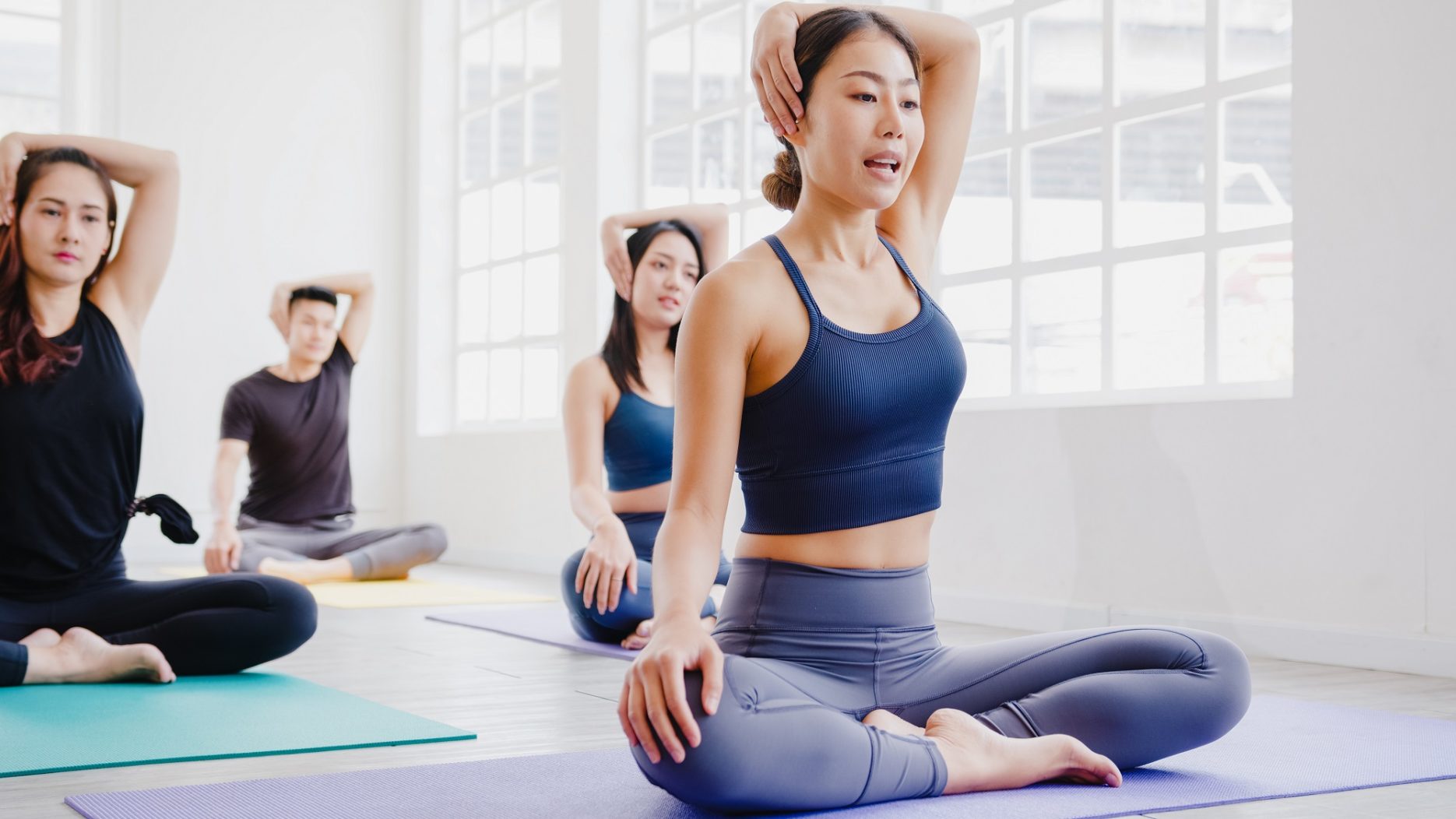
yoga wellness China market 2025

Three structural factors drive the current growth:

  1. Post-pandemic health consciousness. COVID-19 fundamentally altered how Chinese consumers think about their bodies and health. Survey data from 2023-2024 consistently shows that health and personal wellbeing have risen to the top of Chinese consumer priority lists — ahead of luxury goods, travel, and entertainment — among the 25-40 demographic. This is not a temporary shift. The data has been stable for three years.
  2. Rising disposable income meeting healthier lifestyle options. China’s middle class — households earning 100,000-500,000 RMB annually — now exceeds 400 million people. This cohort has money to spend on gym memberships, premium activewear, health food, and wellness travel, and they are spending it. The wellness premium (paying more for a product that is better for you) is now established behavior, not aspirational.
  3. Xiaohongshu as a wellness discovery platform. The rise of Xiaohongshu as the dominant platform for Chinese women aged 18-35 has accelerated wellness category growth. “What I eat in a day,” workout diaries, supplement reviews, and yoga content dominate the platform’s feed. This content creation community — millions of Chinese women documenting their wellness routines — generates organic demand for wellness products at a scale that paid advertising cannot match.

The Lululemon China Case Study

From Niche to Mainstream in Five Years

Lululemon entered China in 2016 with a small number of stores in Shanghai and Beijing targeting yoga practitioners. At the time, activewear in China was dominated by Nike and Adidas at the premium end, with domestic brands like Li-Ning and Anta holding the volume market. Lululemon was a foreign specialty brand with no broad consumer awareness and a price point (600-1,500 RMB per item) that positioned it well above everyday activewear.

By 2023, Lululemon’s China trajectory had become one of the most-studied success stories in international brand strategy. Key milestones:

  • 2022: China revenue grew over 30% year-on-year while Western markets were experiencing post-pandemic normalization. Q4 2022 vs Q4 2021 showed 30%+ growth in mainland China on a year-over-year basis, and 50%+ on a three-year compounded basis
  • 2023: China revenue jumped 67% year-on-year, far outpacing every other Lululemon market globally. The brand opened its largest Asia-Pacific flagship at Jing’an Kerry Center in Shanghai, signaling long-term commitment to the market
  • 2024: China entered Lululemon’s top five markets globally by revenue. Store count exceeded 130, with expansion into Tier 2 cities including Chengdu, Hangzhou, Wuhan, and Xi’an
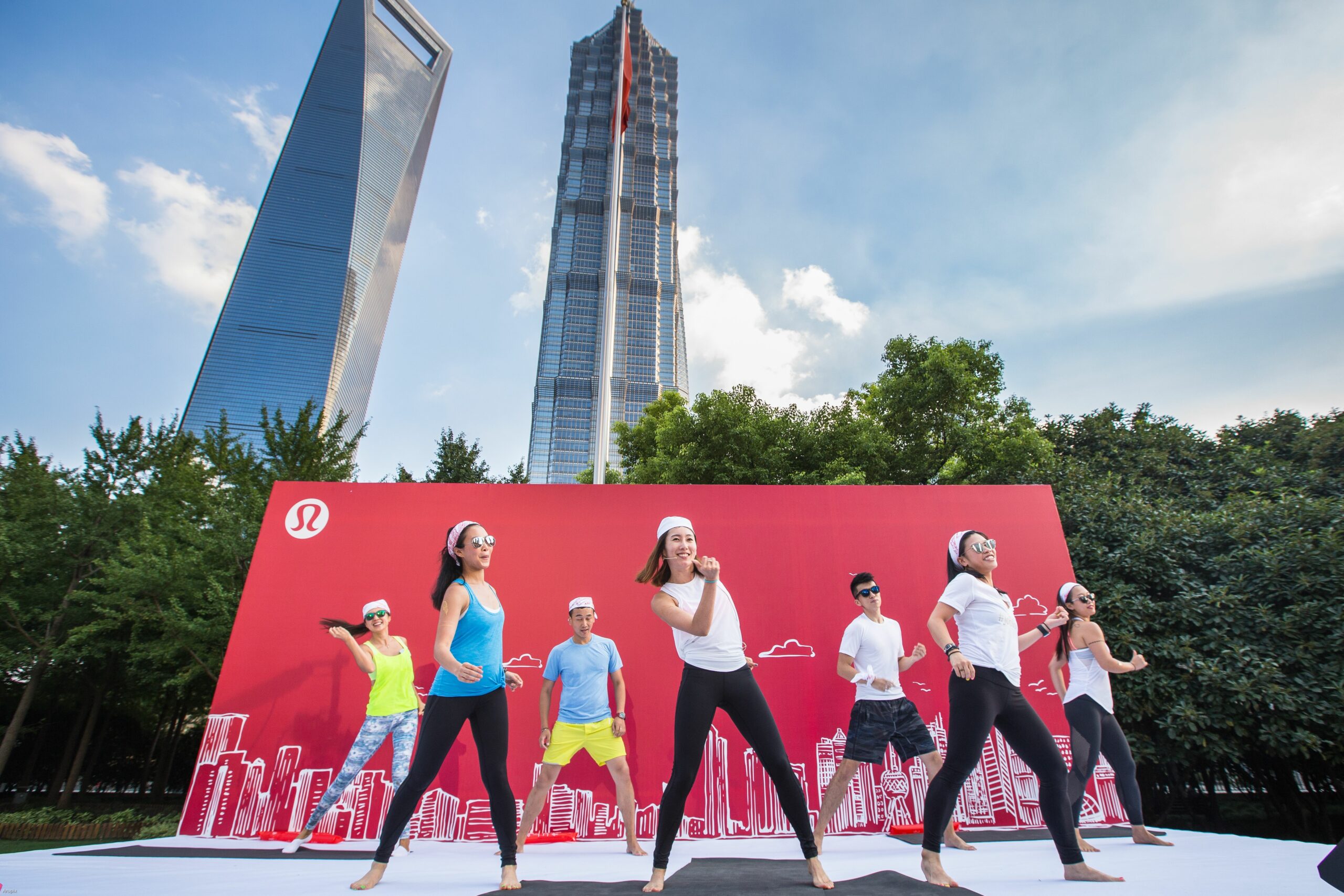
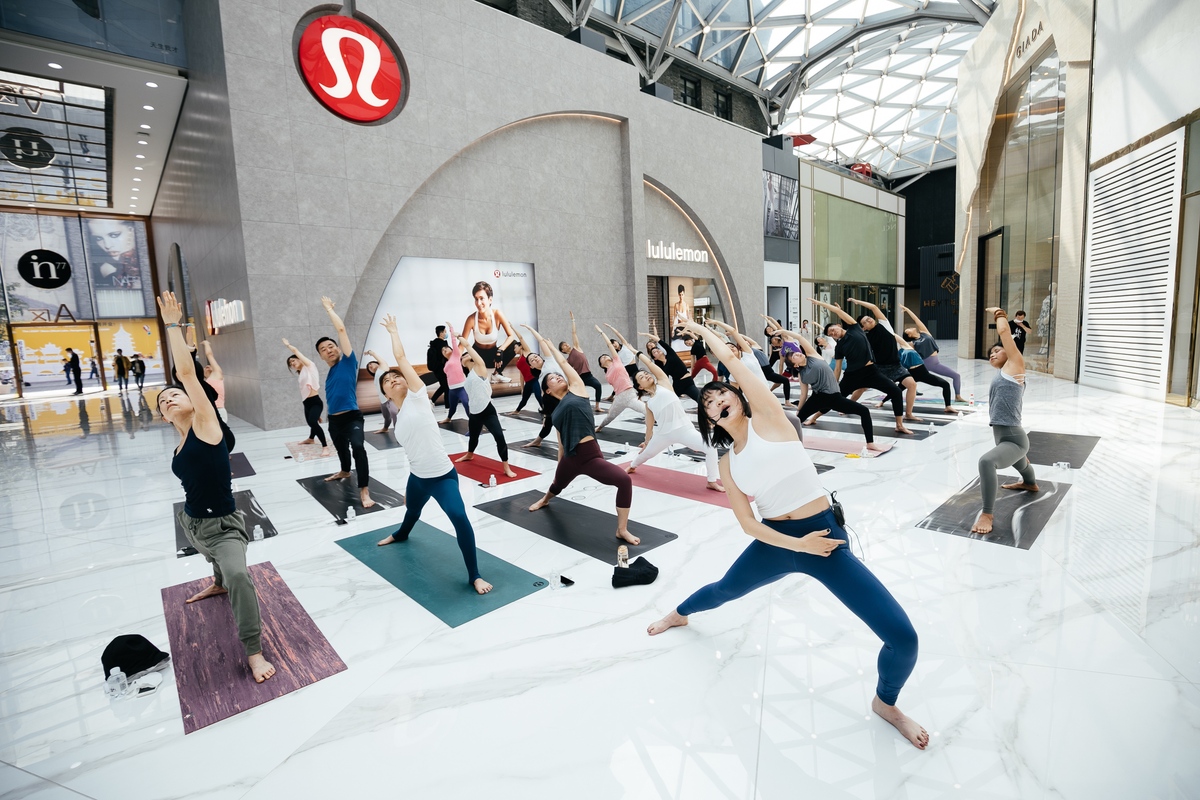
Lululemon Shanghai China expansion

What Lululemon Got Right

Lululemon’s China success was not accidental. Four specific strategic choices drove the outcome:

  1. Community before commerce. Lululemon invested in ambassador programs — partnering with yoga instructors, running coaches, and fitness trainers who became genuine brand advocates. These ambassadors ran in-store and community events, building real relationships rather than sponsored posts. In China, where consumer trust is built through relationships rather than advertising, this approach created advocates who influenced their networks authentically.
  2. Xiaohongshu-native content strategy. Lululemon’s Chinese content team created content specifically for Xiaohongshu’s UGC-style format — workout documentation, product try-on posts, and lifestyle content that resembled consumer posts rather than ads. The brand also seeded product with genuine athletes and fitness community members who created organic content that reached far more people than paid distribution would have.
  3. Premium positioning held under pressure. When domestic competitors and even some international brands reduced prices to maintain volume in 2022-2023, Lululemon did not. The brand’s premium positioning — and the social signal value it carries — was preserved. Chinese consumers who buy Lululemon signal membership in an aspirational fitness community. That signal disappears if the price drops to mass-market levels.
  4. Men’s expansion into China specifically. Lululemon identified Chinese male consumers as early adopters of premium activewear — earlier than Western markets. The brand invested in men’s product localization (cut and fit for Chinese body proportions, color preferences) and men’s community programming in China ahead of similar efforts in North America.

Other Wellness Brands Winning in China

Domestic Competitors: Neiwai and Maia Active

Chinese wellness brands have responded to the market opportunity with products specifically designed for Chinese consumers. Neiwai (内外) — a Shanghai-based activewear brand founded in 2012 — positioned itself on body positivity, comfort, and inclusivity at a time when these values were underrepresented in Chinese activewear marketing. By 2024, Neiwai had over 100 retail stores and a strong Tmall and Xiaohongshu presence. Maia Active built a similar position with an emphasis on Chinese body proportion design and a strong female community. Both demonstrate that the premium Chinese wellness consumer is not exclusively import-brand-loyal — they will choose domestic brands that serve their specific needs better.

Wellness Travel and Hotel Brands

The wellness tourism segment — spa retreats, longevity programs, mountain and forest wellness experiences — has grown significantly in China since 2022. Properties like Amanfayun in Hangzhou, Six Senses Qing Cheng Mountain, and COMO Uma Paro have built premium wellness travel products that attract Chinese consumers willing to spend 5,000-30,000 RMB per night for immersive wellness experiences. This segment is growing at 20%+ annually from a smaller base but represents a meaningful opportunity for international hospitality brands with authentic wellness positioning.

Health Technology: Wearables and Apps

Chinese consumers are heavy users of health monitoring technology. Huawei Watch, Apple Watch, Xiaomi bands, and WHOOP have established a culture of continuous health data tracking. Apps that connect wearable data with nutrition guidance, sleep coaching, and online medical consultation are the next layer — and both domestic Chinese health tech companies (Keep, MIRROR) and foreign players are competing for this market.

For more on selling wellness and lifestyle products in China, see EAC’s guide to China’s wellness market and our Xiaohongshu marketing services.

How Foreign Wellness Brands Should Approach China

The Lululemon model offers a clear template, but not all foreign wellness brands can execute it at the same scale. Practical priorities for brands entering in 2025:

  1. Xiaohongshu before Tmall. Build brand awareness and community on Xiaohongshu through KOC seeding and genuine community content before investing in Tmall advertising. The discovery happens on Xiaohongshu; the conversion happens on Tmall. Without the discovery layer, Tmall traffic will be insufficient.
  2. Hold your pricing. Chinese wellness consumers accept and expect premium pricing for foreign wellness brands. Discounting to compete with domestic brands destroys the positioning that justified the premium in the first place. If your price needs to drop to compete, the product positioning needs to be reconsidered — not the price.
  3. Find your community entry point. Yoga, running, hiking, cycling, swimming — each of these fitness communities in China has digital home bases (WeChat groups, Xiaohongshu communities, Strava clubs). Brand entry through genuine sponsorship of community events and ambassador relationships with community leaders is more durable than advertising.

FAQ: Wellness Brands in China

Why did Lululemon succeed in China while other premium Western activewear brands struggled?

The core difference is category ownership. Lululemon effectively owns the “yoga and mindful fitness” positioning in China — a specific, growing category with a devoted consumer base. Nike and Adidas own broader athletic positioning but are spread across sports, streetwear, and lifestyle simultaneously. That breadth means neither brand has the deep community resonance with any single fitness tribe that Lululemon has with yoga and studio fitness practitioners. A Chinese woman who does yoga three times a week and follows fitness content on Xiaohongshu knows exactly what Lululemon represents — it is the aspirational brand for her specific lifestyle. She is less sure what Nike represents for her specifically, because Nike represents many things to many people. Lululemon’s China success is a case study in the power of focused category ownership rather than broad athletic positioning. The secondary factor is price point: Lululemon’s 600-1,500 RMB per item range hits a sweet spot — aspirational but not unattainable for the Tier 1-2 city professional woman who is the core buyer. Brands priced significantly higher struggle to build the community scale that Lululemon has achieved.

Source: Lululemon Athletica Q3 2024 earnings call; Euromonitor China Activewear Market Report 2024; Xiaohongshu brand health data (via third-party brand tracking, 2024)

What is the size of China’s yoga and studio fitness market?

China’s yoga market specifically was estimated at RMB 47 billion ($6.4 billion) in 2023 and growing at approximately 18% annually — one of the fastest-growing fitness sub-categories in the country. The practitioner base has expanded from an estimated 10 million in 2015 to over 50 million active yoga practitioners in 2024, with the fastest growth in Tier 2 cities as studio infrastructure has expanded beyond Shanghai and Beijing. The broader studio fitness market — yoga, Pilates, barre, indoor cycling, HIIT studios — is estimated at RMB 130 billion ($18 billion) and growing at 12-15% annually. This market size explains Lululemon’s expansion confidence: the brand’s core consumer base in China is still growing significantly in absolute terms, which means Lululemon’s market penetration ceiling is well above current levels. For foreign activewear, wellness equipment, and studio technology brands, the yoga and studio fitness segment is one of the most clearly defined and commercially accessible segments in China’s broader wellness market.

Source: iResearch China Fitness Market Report 2024; Deloitte China Health and Wellness Barometer 2024; Bloomberg Intelligence China Consumer 2024

Ready to build your wellness brand in China? Get a free audit from our team. For more on community-based marketing in China, see EAC’s community management guide. For health market context, see EAC’s China health market overview. Lululemon investor relations at investor.lululemon.com.


Harry Huang, E-Commerce Performance Manager at EAC Ecommerce China Agency. Harry’s job is simple: make your China store profitable, fast. He runs platform accounts on Tmall, JD, and Douyin with one metric in mind — revenue per RMB spent. No wasted cycles, no bloated retainers.

His approach is diagnostic. He identifies the exact conversion blockers — pricing, listing copy, promotion timing, traffic mix — fixes them in order of impact, and moves to the next lever. Brands working with Harry typically see their first measurable ROI improvement within 30 days.

Harry has managed accounts across health, beauty, consumer tech, and lifestyle categories. He thinks in dashboards, acts on data, and delivers results ahead of schedule. If you need execution with accountability, Harry is who you call.

Ready to improve your China e-commerce ROI? Get a free audit from our team.

Connect with Harry Huang: ecommercechinaagency.com/author/philip/

Written by

Harry

Harry covers Chinese social platforms and e-commerce at E-Commerce China Agency, with a focus on Baidu, Weibo, Xiaohongshu and Douyin. He writes about how foreign brands actually build visibility on those channels: what earns traction, what burns budget, and why. Much of his work centres on the health, supplements and FMCG categories entering the Chinese market.

Related Articles

Health

Digestive Supplements in China: Market Summary & Top Trends

Digestive health supplements are one of the largest and fastest-growing categories in China’s health product market. The segment — covering probiotics, digestive enzymes, fiber supplements, prebiotic products, and traditional Chinese medicine (TCM) digestive formulas — exceeded 50 billion RMB in 2024 and is growing at 15-20% annually. China’s digestive supplement market is distinctive in its […]

Read more →
Vitamins & Supplements

China: NMN getting popular on Chinese ECommerce App

NMN (nicotinamide mononucleotide) became one of the fastest-growing supplement categories in China between 2020 and 2024. From a niche product known only among longevity researchers, NMN expanded into a mass-premium supplement category driven by celebrity endorsements, Xiaohongshu content about anti-aging science, and a Chinese consumer base already primed for premium health supplements through years of […]

Read more →
Sectors

China Contraceptive Market is Growing Fast

China’s contraception market exceeded 30 billion RMB in 2024, combining pharmaceutical contraceptives, medical devices, and consumer health products. The market is growing at approximately 8-12% annually, driven by shifting attitudes toward family planning, rising awareness of reproductive health among young Chinese consumers, and a generation of post-90s and post-00s consumers who approach contraception differently from […]

Read more →