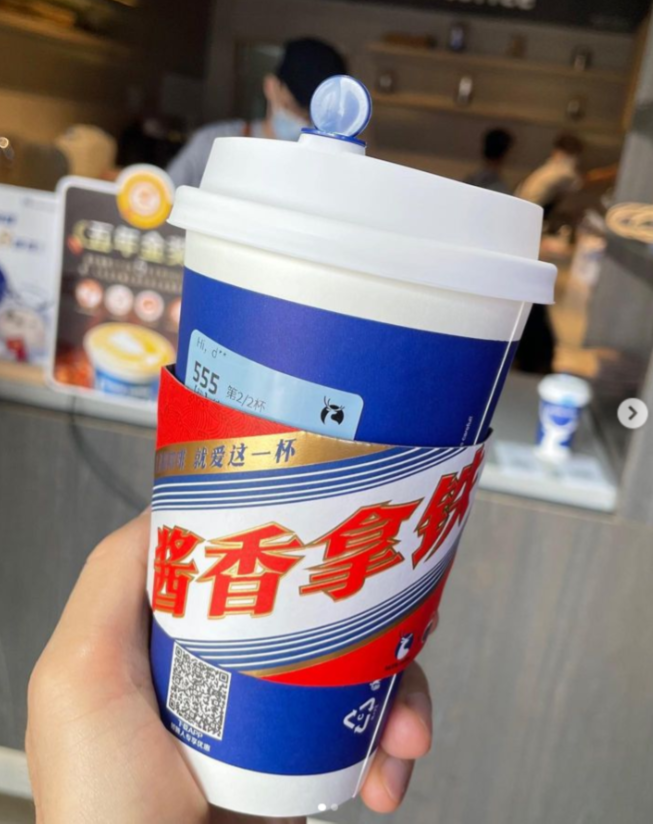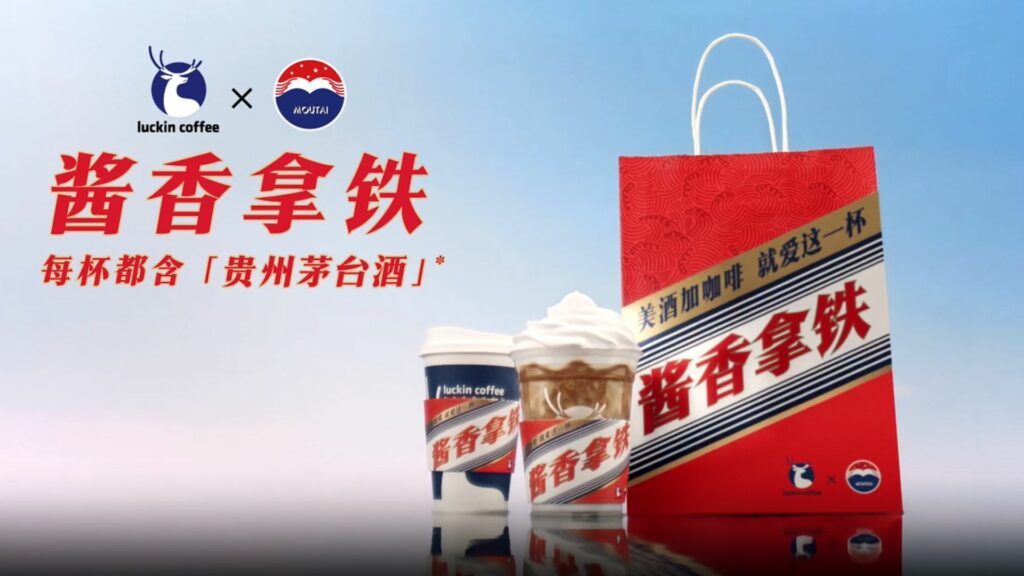
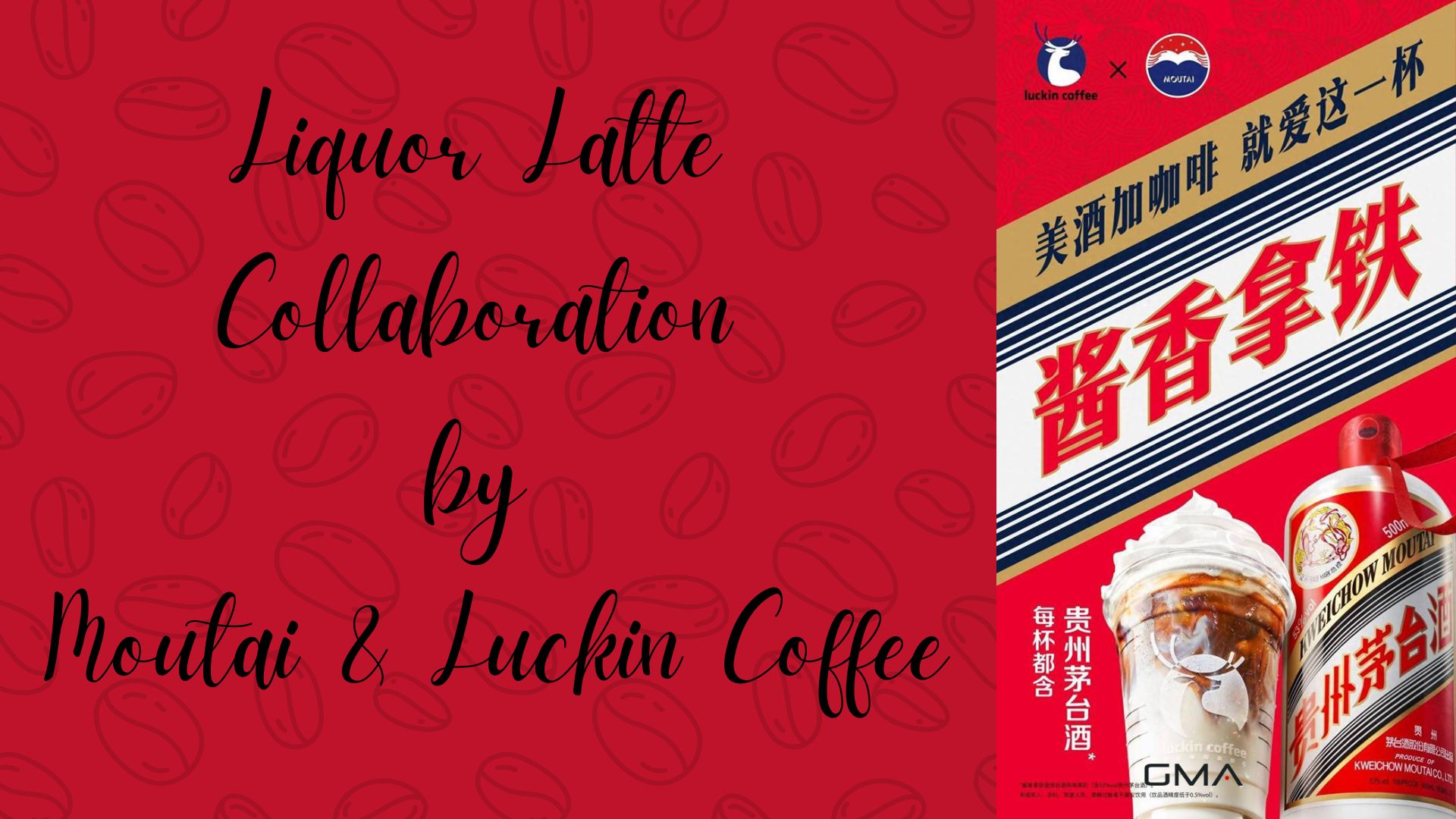
On September 4, 2023, Luckin Coffee launched a single new menu item: a latte made with Moutai baijiu sauce (茅台酱香拿铁 — Máotái Jiàngxiāng Nátiě). By the end of the day, 5.42 million cups had been sold. Single-day revenue exceeded 100 million RMB. Social media exploded. Every major Chinese news outlet covered it. The collaboration became one of the most discussed F&B marketing moments in China in 2023.
The Moutai-Luckin collab was not a fluke. It was the result of two brands — one representing Chinese tradition at the highest end, one representing modern coffee culture at mass scale — understanding exactly what the other could offer them. The result was a product that neither brand could have created alone, targeting a consumer segment that did not previously exist.
For F&B brands operating in China, the Moutai-Luckin story contains specific lessons about cross-category collaboration, the power of brand contrast, and how Chinese consumers respond to unexpected pairings. This guide breaks it down.
Background: Two Brands, Two Worlds

Moutai: China’s Most Prestigious Liquor Brand
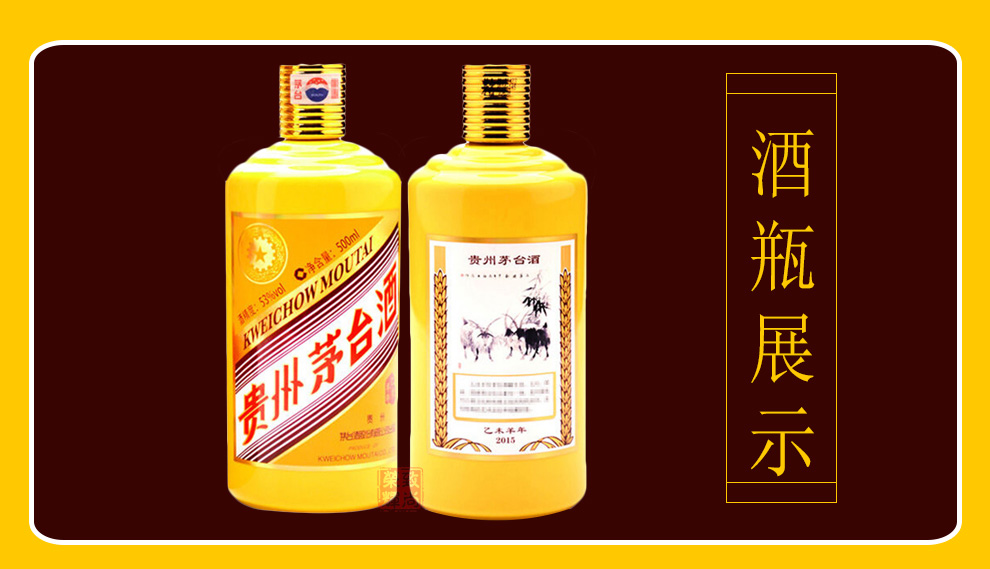
Kweichow Moutai (贵州茅台) is the most valuable spirits brand in the world by market capitalization — exceeding all Western spirits companies including Diageo and Pernod Ricard. Its signature sauce-aroma baijiu (酱香型白酒) is the drink of state banquets, corporate gifting, and celebration. A standard 500ml bottle of Moutai retails at 1,499 RMB officially; secondary market prices for limited editions regularly exceed 3,000-5,000 RMB per bottle.
Moutai’s problem in 2022-2023 was demographic. Its core consumer is a male over 45. Younger Chinese consumers — the 22-38 demographic that drives discretionary spending growth — associate baijiu generally with formal occasions and older generations. Moutai needed to create a reason for younger consumers to engage with the brand in an everyday context.
Luckin Coffee: The Comeback Brand
Luckin Coffee (瑞幸咖啡) had one of the most dramatic corporate stories in Chinese business. Founded in 2018, it grew to over 4,500 stores in 18 months, then collapsed in 2020 amid an accounting fraud scandal. Its NASDAQ listing was delisted. Most analysts wrote it off.
What happened instead: Luckin restructured, paid its fines, and rebuilt its business on an aggressive product innovation strategy. By 2023, it had grown to over 10,000 stores — surpassing Starbucks China in unit count — with a model built on frequent limited-edition product launches, digital-first ordering through its app, and prices (10-15 RMB per drink with coupons) that made premium coffee genuinely mass-market in China.
Luckin’s innovation playbook: launch a new seasonal or collaboration product every 2-4 weeks, generate social media buzz through Xiaohongshu and WeChat, drive app downloads and orders through the novelty effect, repeat. The Moutai collaboration was the largest execution of this playbook to date.
The Collaboration: What It Was and How It Worked
The Moutai Latte (酱香拿铁) was a standard espresso latte with a Moutai-flavored cream topping. The actual alcohol content per cup was approximately 0.5% — below the threshold that would require age verification or limit the product to licensed venues. The Moutai flavoring was real (the topping used a proprietary Moutai-derived ingredient), but the drink was functional as a coffee first.
The price: 38 RMB (approximately $5.20) at standard retail, or around 19 RMB with Luckin’s common coupon codes. This positioned it as a premium item versus Luckin’s standard range but accessible — far more accessible than a bottle of Moutai.
The marketing strategy leaned entirely on the contrast and novelty. Pre-launch teasers on Xiaohongshu and WeChat generated enormous curiosity. The product was framed as “tasting Moutai in a new way” — an entry point for younger consumers who would never spend 1,500 RMB on a bottle but were willing to spend 38 RMB to experience the brand. On the Moutai side, the partnership generated media coverage worth hundreds of millions of RMB in earned media and positioned Moutai as a brand willing to engage with modern culture.
The Numbers: What Actually Happened
- 5.42 million cups sold on launch day (September 4, 2023)
- Over 100 million RMB in single-day revenue — the highest daily revenue for any single Luckin product launch
- Moutai stock rose 1.8% on the day of launch, adding approximately 20 billion RMB to market capitalization — a return on the collaboration fee that was almost certainly far above the actual cost of the partnership
- Xiaohongshu posts about the drink exceeded 100,000 within 48 hours of launch — genuine UGC from consumers sharing the experience, not seeded content
- 3 million new Luckin app users registered in September 2023, the highest monthly acquisition in the brand’s history
The collaboration continued. In 2024, Moutai and Luckin launched additional co-branded products including a mooncake collaboration for Mid-Autumn Festival that sold out in hours. The partnership has become an ongoing commercial relationship rather than a one-time marketing event.
What This Means for F&B Brand Collaboration Strategy in China
The Brand Contrast Principle
The Moutai-Luckin collaboration worked because the contrast was extreme: China’s most traditional, formal, expensive drink paired with China’s most casual, digitally-native, affordable coffee brand. The surprise of the pairing is what generated curiosity and social sharing.
For brand collaboration to generate organic social media momentum in China, the brands need enough contrast to be interesting. Two similar brands collaborating rarely generates viral response. The question to ask before pursuing a collaboration: “Is this pairing surprising enough that someone would screenshot it and share it with friends?”
One of the commercial logics of the Moutai latte was democratizing access to the Moutai brand. A consumer who cannot or will not spend 1,500 RMB on a bottle of Moutai can spend 38 RMB to have a Moutai experience. This is a brand extension strategy that premium F&B brands can replicate: create an accessible product at a much lower price point that delivers a genuine experience of the premium brand, without diluting the flagship product’s positioning.
The key constraint: the accessible product must be genuinely good. If the latte had tasted bad, the social media response would have been negative and the brand damage would have been significant. Moutai and Luckin invested in developing a product that was actually enjoyable, not just a novelty.
Timing: Chinese Festival Calendar and Seasonal Launches
The September 2023 launch was timed deliberately: Mid-Autumn Festival (中秋节) falls in late September/early October, and the period leading up to it is one of the peak gifting and celebration seasons in China. Launching a Moutai-branded product in early September meant the product was in consumers’ awareness — and generating social media momentum — just as the gifting season approached. The subsequent mooncake collaboration directly captured the festival commercial peak.
For F&B brands planning collaborations in China, the Chinese festival calendar should drive launch timing. The major commercial peaks: Chinese New Year (Jan/Feb), 520 (May 20), Dragon Boat Festival (June), Mid-Autumn (Sep/Oct), and Double 11 (November). Collaboration products launched in the 2-4 week run-up to these festivals capture both the novelty-driven first-week surge and the gifting-driven seasonal demand.
For more on F&B brand strategy in China’s e-commerce channels, see EAC’s Tmall management for food brands and our guide to F&B brand entry in China.
FAQ: The Moutai-Luckin Collaboration
Can the Moutai-Luckin collaboration model be replicated by other brands?
The model is replicable in principle but requires specific conditions to work. The three non-negotiable elements: (1) both brands must have genuine equity in their respective categories — Moutai’s authority in premium baijiu and Luckin’s authority in accessible modern coffee were both real, not manufactured. A collaboration between two mid-tier brands without category authority generates less excitement. (2) The product must deliver a genuine consumer experience, not just a branded novelty. Products that disappoint on taste or quality generate negative word-of-mouth that cancels the initial buzz. (3) The price point of the collaboration product must make the partnership accessible to a large consumer base. A Moutai-Luckin product priced at 200 RMB would have sold a fraction of what 38 RMB generated. Since the Moutai-Luckin launch, several Chinese F&B collaborations have attempted similar strategies: Wahaha and various modern beverage brands, regional liquor brands with coffee chains, and traditional food brands with snack companies. Results have varied based on how well these three conditions were met.
Source: Luckin Coffee Q3 2023 earnings report; Kweichow Moutai 2023 annual report; Bloomberg F&B industry analysis (2023-2024)
How did the Moutai latte affect Luckin’s overall business performance?
The collaboration contributed measurably to Luckin’s strongest quarterly performance in its post-restructuring history. Luckin’s Q3 2023 results showed total revenue of RMB 7.17 billion — a 84.9% year-on-year increase. Net new store openings accelerated. App downloads and new user registrations peaked in September 2023 during the Moutai launch period. Importantly, the collaboration also reinforced Luckin’s brand positioning as a company that launches genuinely exciting products — attracting media coverage and consumer attention that kept its app relevant at a time when Starbucks and local competitors were all fighting for share of the Chinese coffee market. Luckin’s total store count reached 14,000+ by end of 2023, surpassing Starbucks China (7,300 stores) by a factor of nearly 2:1. The Moutai collaboration was one of several product innovations that drove this growth — others included collaboration products with other Chinese brands — but it was the largest single commercial event in Luckin’s history. The company continued the Moutai partnership into 2024, treating it as a strategic relationship rather than a one-time activation.
Source: Luckin Coffee Q3 2023 and Q4 2023 earnings reports; China Daily F&B industry coverage (September 2023); Kweichow Moutai investor relations communications
Want to develop a collaboration or product launch strategy for your F&B brand in China? Get a free audit from our team. For more on seasonal marketing in China, see EAC’s guide to Chinese shopping festivals. Luckin investor relations data at investor.lkcoffee.com.
Matt Sun, Tmall Specialist at EAC Ecommerce China Agency. 10 years managing F&B brands on China’s e-commerce platforms. Direct experience with Nescafé, Yili, and Swisse on Tmall store management, product strategy, and campaign execution for the Chinese market.
Selling a food or beverage brand on Tmall or Douyin? Get a free audit from our team.
Connect with Matt Sun: ecommercechinaagency.com/author/matt-sun/