
Step into China, where tea and coffee aren’t just beverages but reflections of a rich cultural heritage and modern aspirations. Foreign tea and coffee brands, are you ready to explore the captivating narrative that unfolds here?
China’s tea legacy spans centuries, a symphony of flavors and traditions. Your journey into this market offers a chance to honor age-old rituals while introducing innovation. Be part of a story where every steeped leaf carries history and every cup binds generations.
Need a cost effective TP (Tmall Partner) to sell in China?
We are an Official Tmall Partner e-commerce Agency. Our Services: E-Commerce, Search Engine Optimization, Advertising, Weibo, WeChat, WeChat Store & PR.
China’s urbanites are embracing coffee as more than just caffeine. This is your chance to infuse the bustling streets with your unique brews and café culture. Foreign coffee brands, enter a dynamic landscape where each cup signifies modernity and connection.
China offers a fusion of tradition and modernity. This is your canvas to redefine narratives and intertwine your products with a culture that values both heritage and progress. As you embark on this journey, remember you’re not just offering drinks – you’re weaving into China’s fabric. Will you script the next chapter of China’s love affair with tea and coffee?
Tea Tales – Unveiling Essential Facts About China’s Thriving Tea Market
Tea holds a profound cultural significance in China, dating back thousands of years. It’s an integral part of Chinese tradition and is often associated with ceremonies and rituals. Tea consumption is deeply ingrained across all age groups and social strata. Throughout the day, various types of teas are consumed, each offering distinct flavors and potential health benefits.
The tea market in China is well-established and remains a dominant beverage choice. Due to its historical significance and widespread popularity, the growth of the tea market is relatively steady. Traditional tea producers and vendors form the foundation of this market, offering a wide range of tea varieties. In addition to traditional loose-leaf teas, modern packaged tea brands cater to diverse consumer preferences.
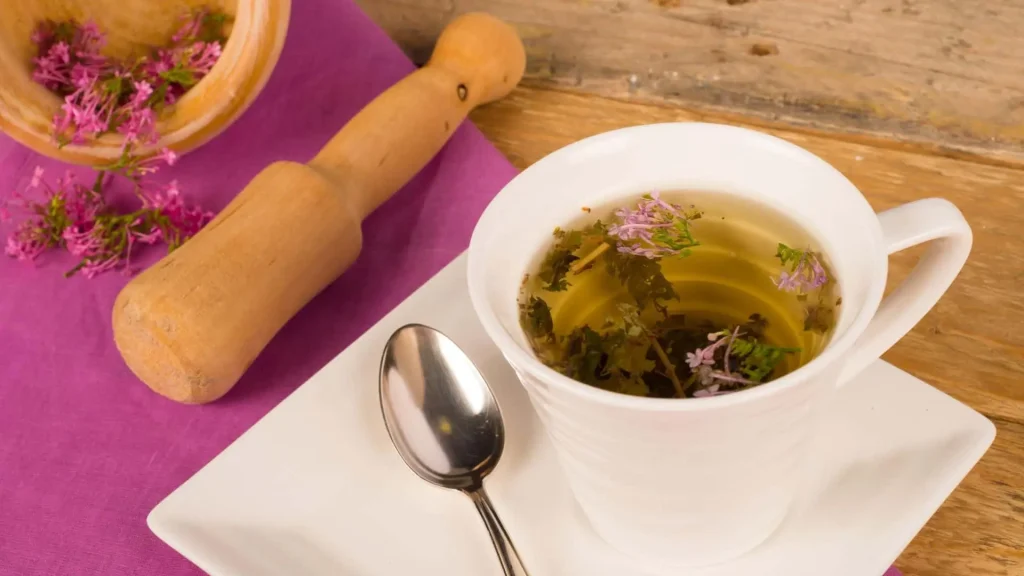
In traditional Chinese medicine, many teas are believed to possess antioxidant properties and other health-promoting effects. This adds a health and wellness dimension to tea consumption, further contributing to its popularity.
Chinese consumers prefer a variety of teas, from delicate green teas to robust black teas and nuanced oolong teas. Tea culture is deeply intertwined with social interactions and daily routines.
Sip by Sip – Analyzing the Data Behind China’s Tea Market
In the year 2023, the Tea market stands as a financial powerhouse, boasting a substantial revenue of approximately US$50 billion. This robust figure is projected to experience steady growth, anticipated to advance annually by 4.99% within the period spanning 2023 to 2028, showcasing the industry’s resilience and potential for expansion.
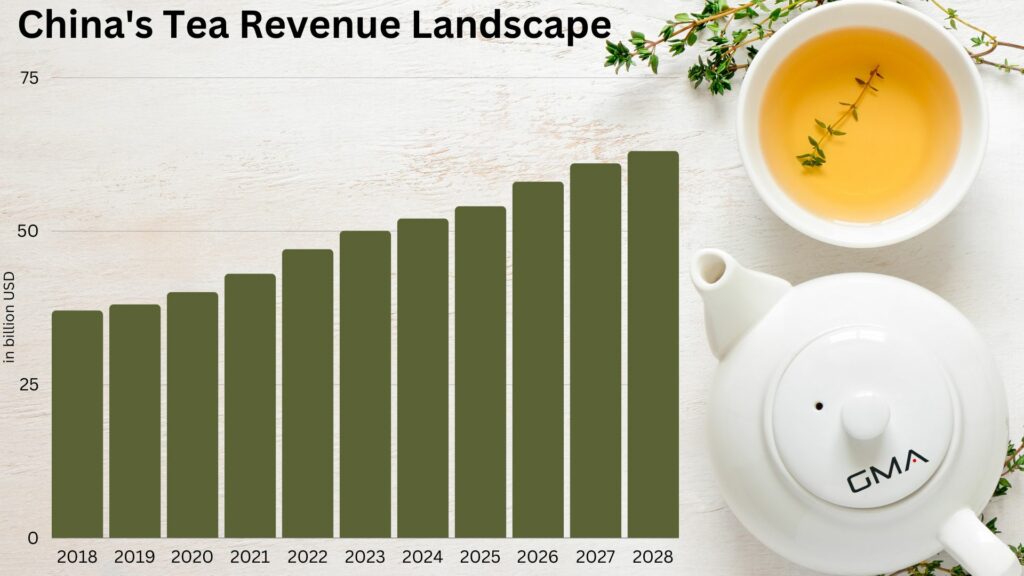
On a global scale, China emerges as the epicenter of revenue generation within the Tea market. This staggering figure underscores the nation’s deep-rooted affinity for tea, a beverage that traverses centuries of culture and tradition.
Intriguingly, when juxtaposed with total population statistics, the per-person revenue generated in 2023 stands at an average of US$34.08. This statistic sheds light on the pervasive nature of tea consumption, revealing how deeply ingrained it is within the daily lives of individuals across the demographic spectrum.
Beyond the financial panorama, the Tea market’s volume is poised to make significant strides, reaching a projected 2.6 billion kilograms by the year 2028. This remarkable volumetric growth paints a portrait of an industry that is not only economically buoyant but also experientially immersive.
Even in the near term, the Tea market is projected to demonstrate a 2.3% surge in volume growth by 2024, illustrating its dynamic and ever-evolving nature. This growth resonates with the palpable enthusiasm of consumers worldwide, who continue to embrace the diverse range of tea varieties and experiences available.
Delving further into the tapestry of tea consumption, the average volume consumed per person within the Tea market is expected to hover at approximately 1.51 kilograms in the year 2023. This figure underscores the ubiquity of tea as a daily indulgence, weaving through the fabric of individual lives, gatherings, and quiet moments alike.
Insights into China’s Booming Coffee Market
Unlike tea, coffee’s cultural significance in China is relatively recent. It has gained popularity primarily in urban areas over the past few decades. While lacking the historical depth of tea, coffee has been embraced enthusiastically by the younger generation and urban professionals. Coffee consumption is associated with socializing, work meetings, and leisure time.
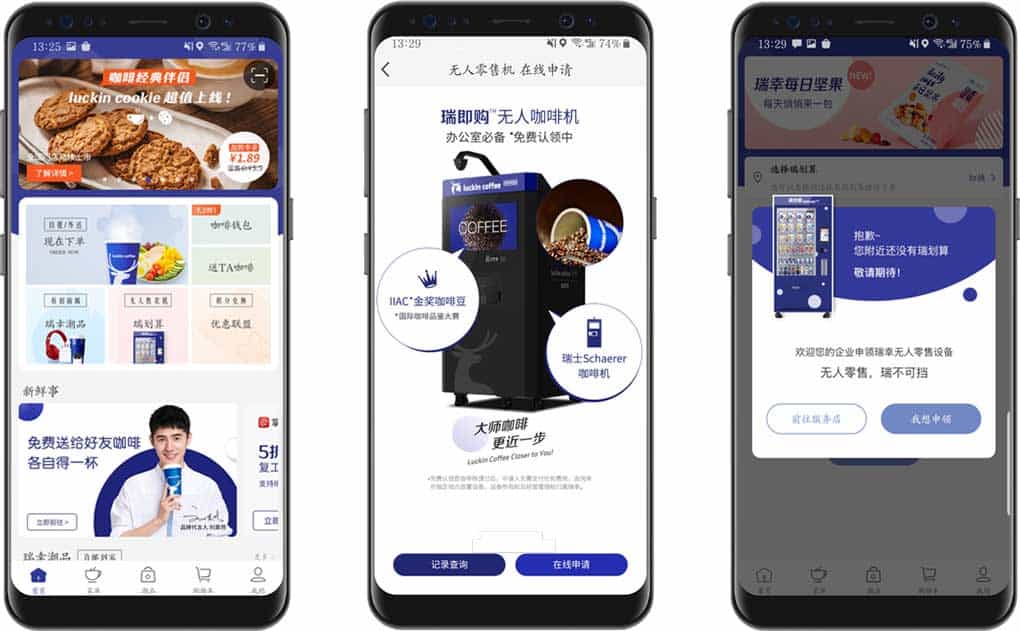
The Chinese coffee market has witnessed rapid growth driven by urbanization, rising disposable incomes, and evolving lifestyles. International coffee chains like Starbucks and local brands like Luckin Coffee have played a significant role in shaping the coffee culture.
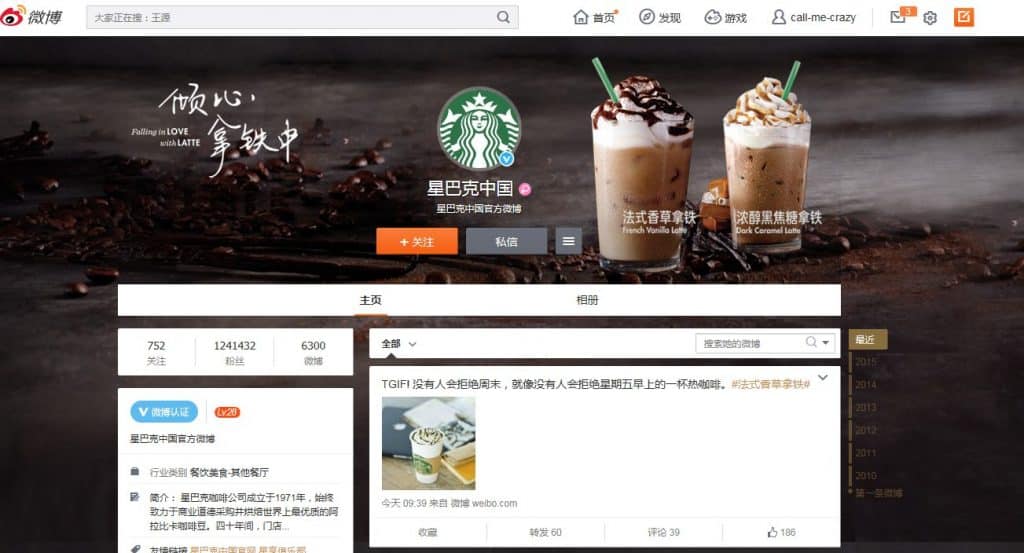
In contrast to tea’s longstanding association with health benefits, coffee’s health-related reputation is relatively new in China. While not traditionally linked to health advantages, coffee has begun to be marketed for potential positive effects like increased alertness and improved mood.
The preferences of the younger urban population primarily drive the growth of coffee consumption. Sweet and flavored coffee beverages, including iced coffee and coffee-based desserts, have gained immense popularity. As a result, the Chinese coffee market offers a diverse range of options to cater to changing consumer tastes and preferences.
Analyzing China’s Tea Market Statistics
While tea’s deep cultural roots continue to influence its consumption patterns, coffee’s rapid rise in popularity, especially among the younger demographic in urban areas, has reshaped beverage preferences in China. The markets for both tea and coffee are dynamic and offer a variety of choices, each reflecting distinct cultural and societal factors.
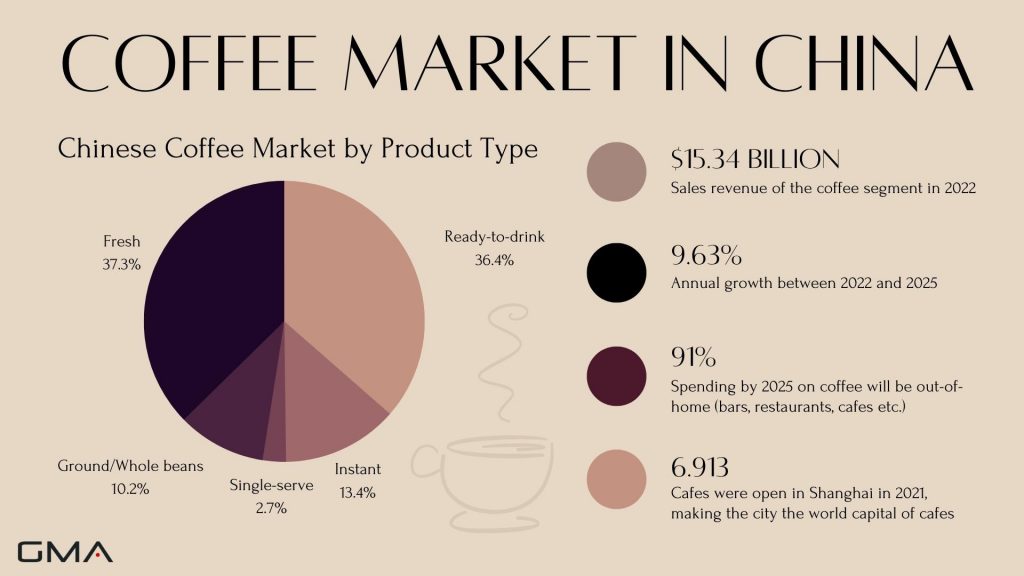
In the year 2022, the Coffee market commands a revenue of approximately US$15.34 billion, a sum that echoes the resounding popularity of this beloved beverage. This financial cornerstone is projected to flourish with an annual growth rate of 9.63% between 2022 and 2025. This growth trajectory stands as a testament to the market’s potential for expansion and continued consumer engagement.
On a global scale, the United States emerges as the nucleus of revenue generation within the Coffee market, contributing an impressive US$11,000 million to the total revenue in 2023. This statistic paints a vivid picture of the profound coffee culture prevalent across the United States, with cafes and coffeehouses standing as ubiquitous symbols of shared moments and daily rituals.
When contextualized within the tapestry of total population figures, the per-person revenue generated in 2023 stands at an average of US$1.16. This striking statistic illustrates the widespread embrace of coffee as a source of comfort, energy, and social connection, resonating within the lives of individuals across demographics.
Beyond the financial landscape, the Coffee market is poised to experience a volumetric surge, with projections indicating that volume will scale up to 92.8 million kilograms by 2028. This anticipated growth reflects both the market’s capacity to cater to evolving consumer preferences and the enduring allure of coffee in various forms.
In the nearer horizon, the Coffee market is expected to demonstrate an impressive 4.6% increase in volume growth by 2024, a manifestation of its dynamic and fluid nature. This growth speaks to the industry’s resilience and adaptability, as it navigates changes in consumer demands and cultural shifts.
Delving further into the microcosm of coffee consumption, the average volume per person within the Coffee market is projected to hover around 0.05 kilograms in the year 2023. This seemingly modest figure, when considered collectively, paints an intricate mosaic of coffee consumption habits around the world, where the allure of a single cup reverberates through the lives of millions.
In summation, the Coffee market’s diverse spectrum of revenue, volume, and per person consumption statistics intertwines with cultural nuances and global trends, telling a tale of coffee’s profound significance in contemporary society. As the aroma of freshly brewed coffee fills cafes and kitchens across the world, the market continues to evolve, enriching lives, and cultivating shared experiences.
How to Market Tea and Coffee in China
Cultural Sensitivity
The heart of successful marketing in China is cultural understanding. For tea, it’s essential to embrace its historical, social, and ceremonial significance. Craft campaigns that celebrate the art of tea ceremonies, showcasing how generations bond over these timeless traditions. Capitalize on the sensory journey that tea offers, from the visual allure of unfurling leaves to the aromatic embrace of brewed tea. This connects your brand to China’s rich heritage and makes it a part of daily life.
Conversely, coffee, emphasizes its role as a bridge between China’s tradition and modernity. Position coffee as a symbol of change, aligning with urbanization and the cosmopolitan aspirations of the younger generation. Present coffee as an avenue for exploring global cultures and connectivity, creating a narrative where ancient traditions meet contemporary flair.
Localization
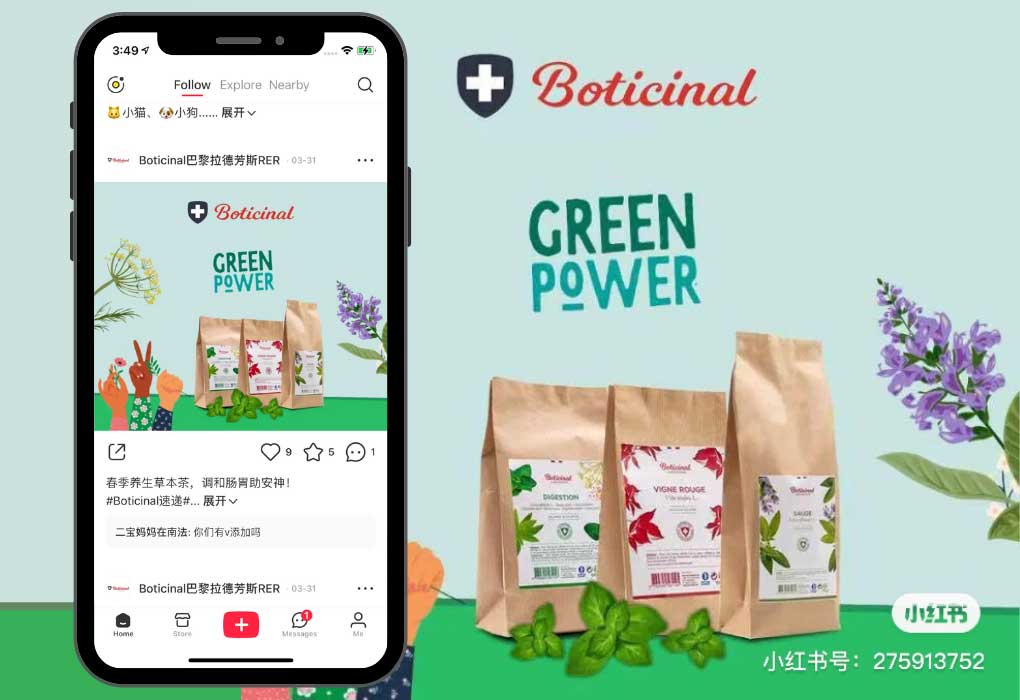
Localization extends beyond language translation. It involves tailoring your marketing materials to resonate with Chinese cultural nuances—research local customs, symbols, and superstitions to incorporate into your campaigns. Employ colors like red and gold, which symbolize prosperity and luck. Weave in elements of Chinese mythology or historical stories that align with your brand’s values, creating a deeper emotional connection.
Digital Presence
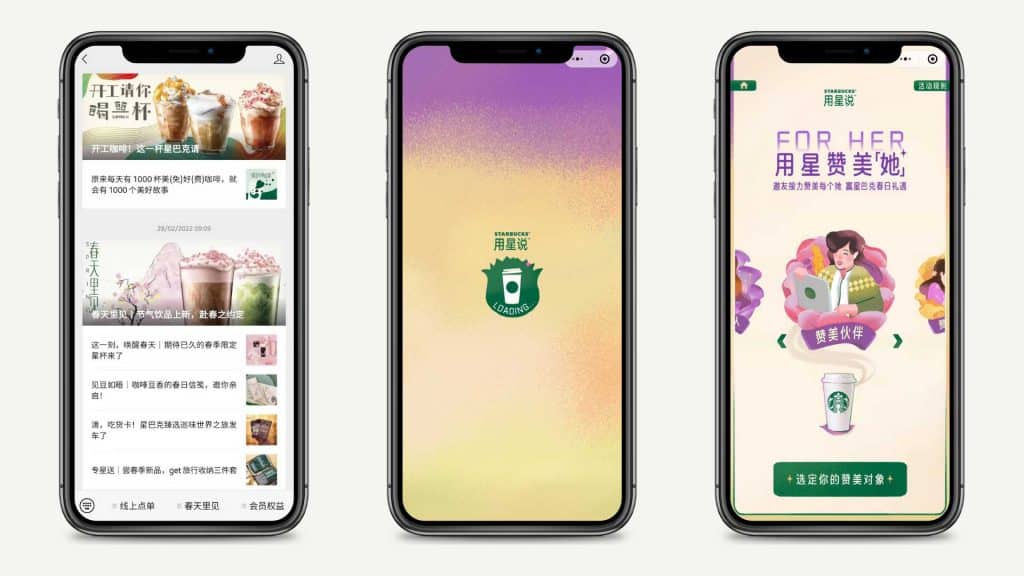
WeChat is the epicenter of China’s digital landscape. Utilize its multifunctional capabilities, from content sharing and instant messaging to mobile payments. Develop a WeChat Official Account to provide a hub for information, updates, and interactive content. Create informative and visually appealing posts, interactive quizzes, and polls that not only educate but engage users.
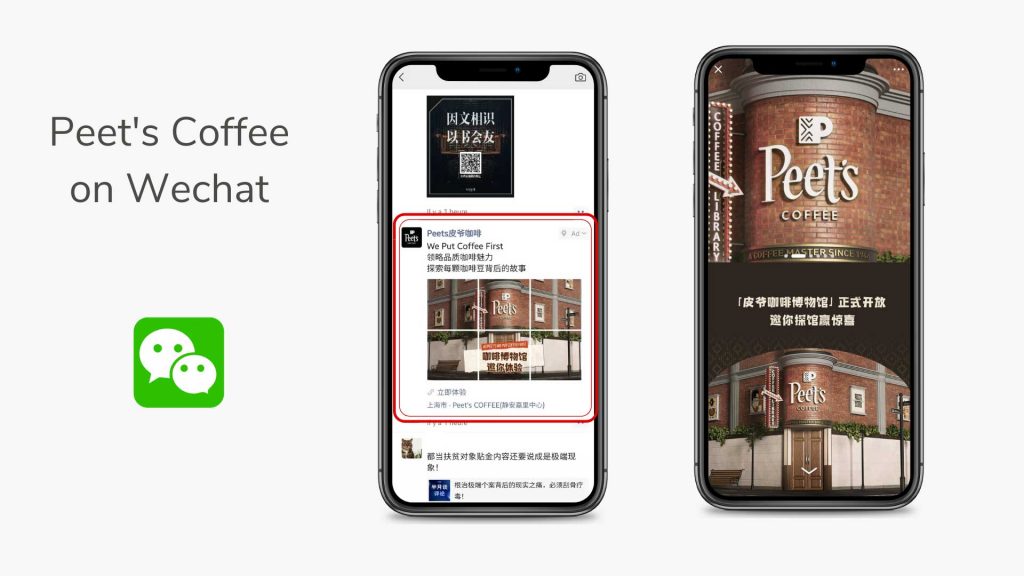
Harness the power of short-form video platforms like Douyin (TikTok) and Kuaishou. Share behind-the-scenes footage of your tea and coffee production processes, engage in storytelling, and participate in trending challenges to reach a wider audience.
Influencer Partnerships
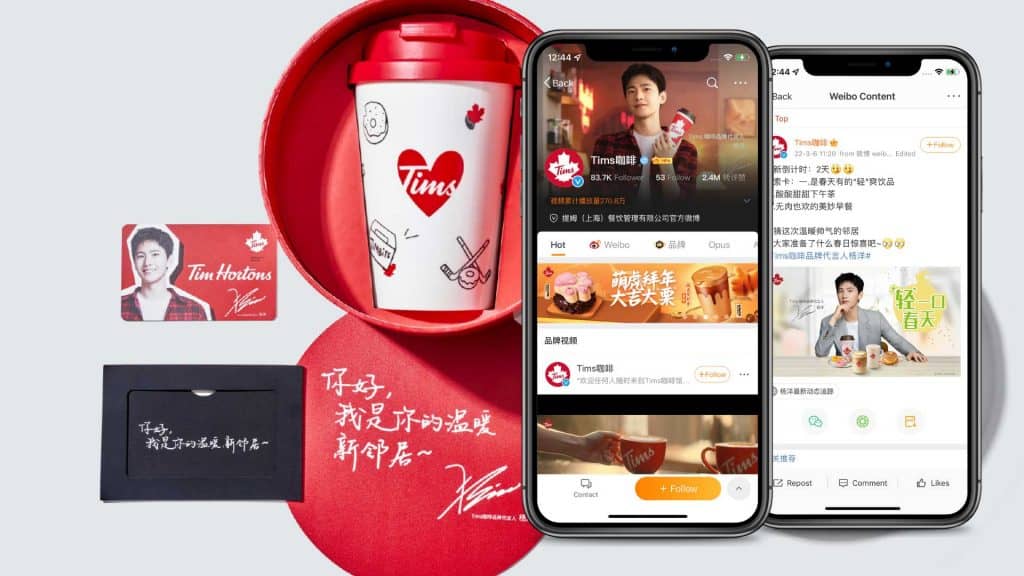
Influencers wield significant influence in China’s digital sphere. Partner with local influencers, and KOLs who align with your brand’s values and resonate with your target audience. The authenticity of their endorsements lends credibility to your products. Allow them to create content that showcases their personal tea or coffee experiences, whether it’s sharing their morning ritual or exploring unique brewing techniques.
Tastings and Workshops
Physical interactions with products create memorable experiences. Organize tastings and workshops in both online and offline settings. Share the stories behind different tea leaves or coffee beans, delve into their origins, and explain the intricacies of brewing methods. These events not only educate but allow participants to experience the sensory journey firsthand.
Health and Wellness
Highlighting the health benefits of tea and coffee aligns with China’s growing wellness trend. Collaborate with traditional Chinese medicine experts to highlight how different teas can support overall well-being. Use data-backed research to emphasize coffee’s potential in boosting mental alertness, productivity, and mood enhancement.
Packaging Design
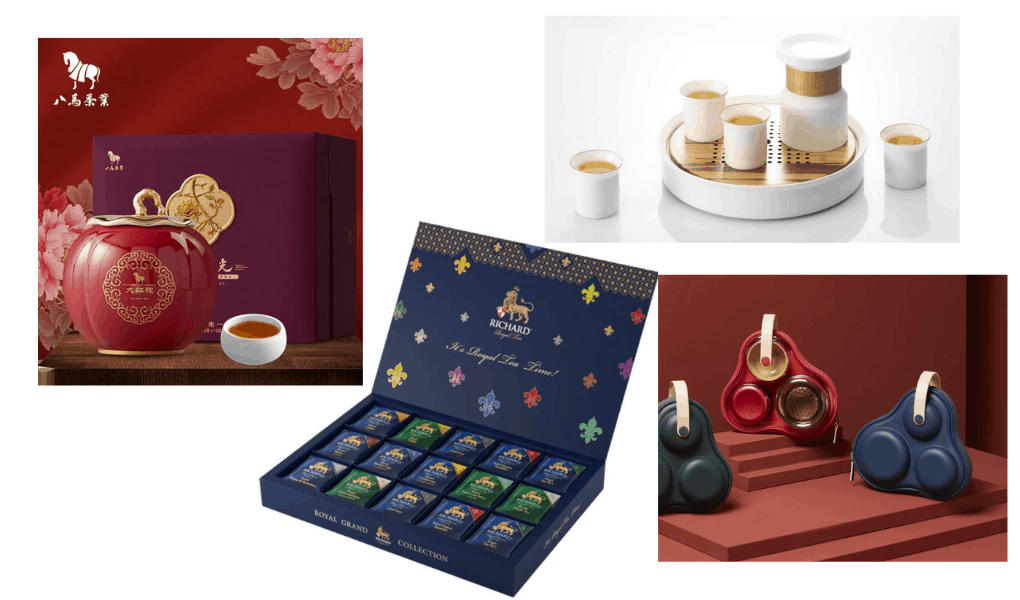
Packaging is the first touchpoint consumers have with your brand. Craft packaging that reflects both the cultural essence and modern appeal of your products. Incorporate elements like calligraphy, auspicious symbols, or depictions of tea gardens and coffee plantations. Share the story behind the design, linking it to your brand’s values and the unique qualities of your offerings.
Storytelling
Narratives create emotional connections that resonate deeply. Share stories about the communities behind your tea or coffee production. Highlight the journey from cultivation to cup, showcasing the passion and dedication of the people involved. Include personal anecdotes, anecdotes from farmers, and the impact your brand has on their lives.
Online Shopping
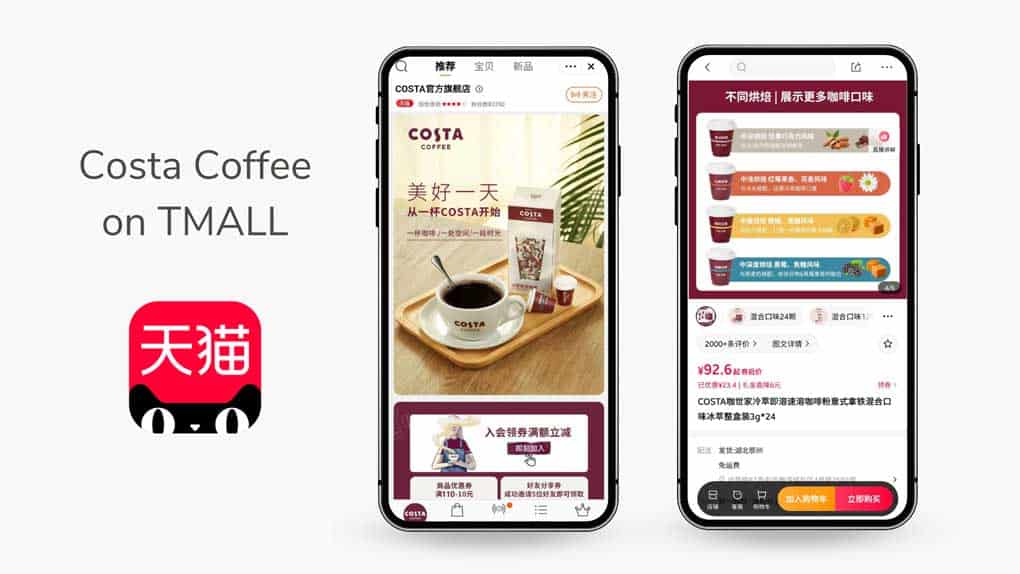
Optimize your online store on platforms like Tmall and JD.com. Leverage the power of Singles’ Day (11.11), the world’s largest shopping festival, to offer exclusive deals and promotions. Enhance user experience with a user-friendly interface, high-quality product images, and detailed descriptions.
Offline Retail Presence
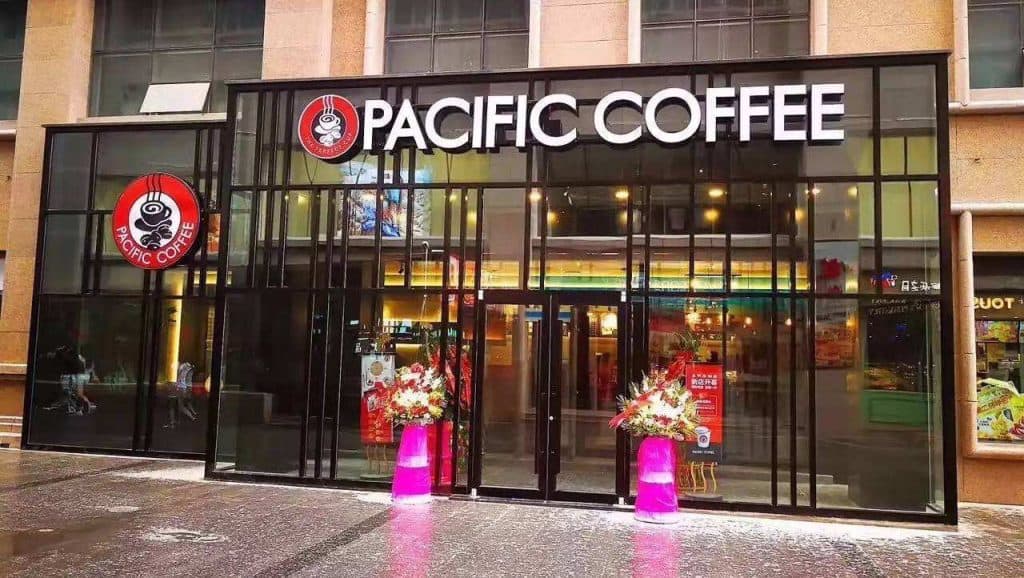
Physical stores provide tactile experiences that digital cannot replace. Choose strategic locations for your brick-and-mortar stores, such as high-traffic shopping districts and malls. Create an immersive environment that engages customers’ senses, allowing them to touch, smell, and experience your products.
Seasonal Promotions
Aligning campaigns with Chinese festivals taps into the emotional aspect of consumer behavior. Create limited-edition blends or packaging that reflect the spirit of festivals like Chinese New Year, Mid-Autumn Festival, and Dragon Boat Festival. Offer exclusive discounts, bundling options, or gift sets to entice consumers during these times.
Sustainability and Quality
China’s eco-conscious consumers appreciate brands that prioritize sustainability. Highlight your commitment to responsible sourcing, eco-friendly packaging, and ethical practices. Showcase partnerships with local communities and initiatives that positively impact the environment, forging a deeper connection with socially conscious consumers.
Mobile Payment Integration
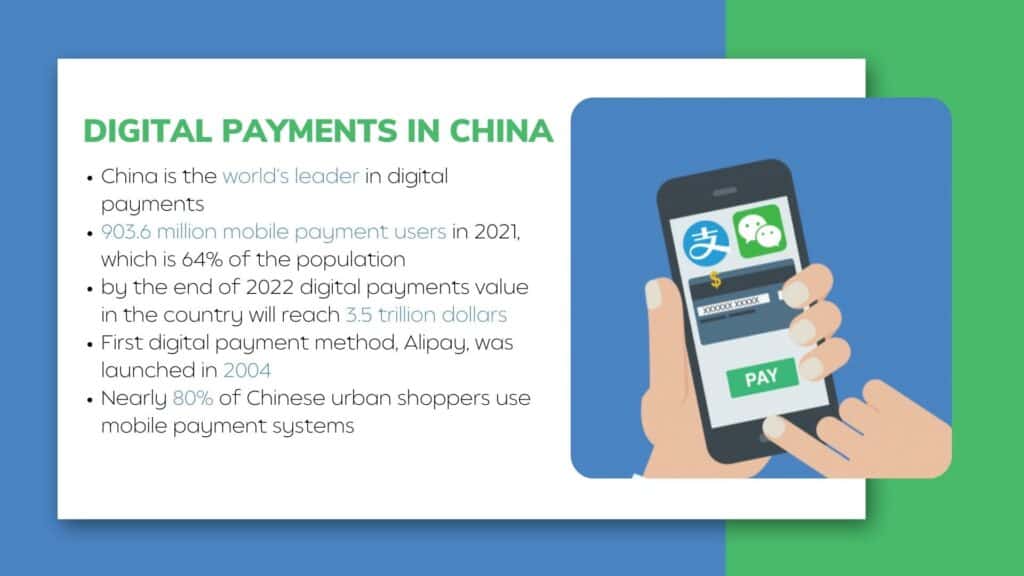
Seamless transactions are crucial in China’s mobile-first landscape. Integrate popular mobile payment methods like WeChat Pay and Alipay. Ensure your online checkout process is efficient and secure, minimizing friction during the purchasing journey.
Sampling Campaigns
Sampling campaigns provide a risk-free way for consumers to experience your products. Distribute samples at events, festivals, and in collaboration with coffee shops and tea houses. Encourage recipients to share their tasting experiences on social media, creating a ripple effect of awareness.
Customer Feedback
Engage with customer feedback across digital platforms. Respond promptly to reviews, comments, and inquiries. Show appreciation for positive feedback and address concerns or issues constructively. This demonstrates your brand’s commitment to customer satisfaction and fosters a sense of community.
Case Studies
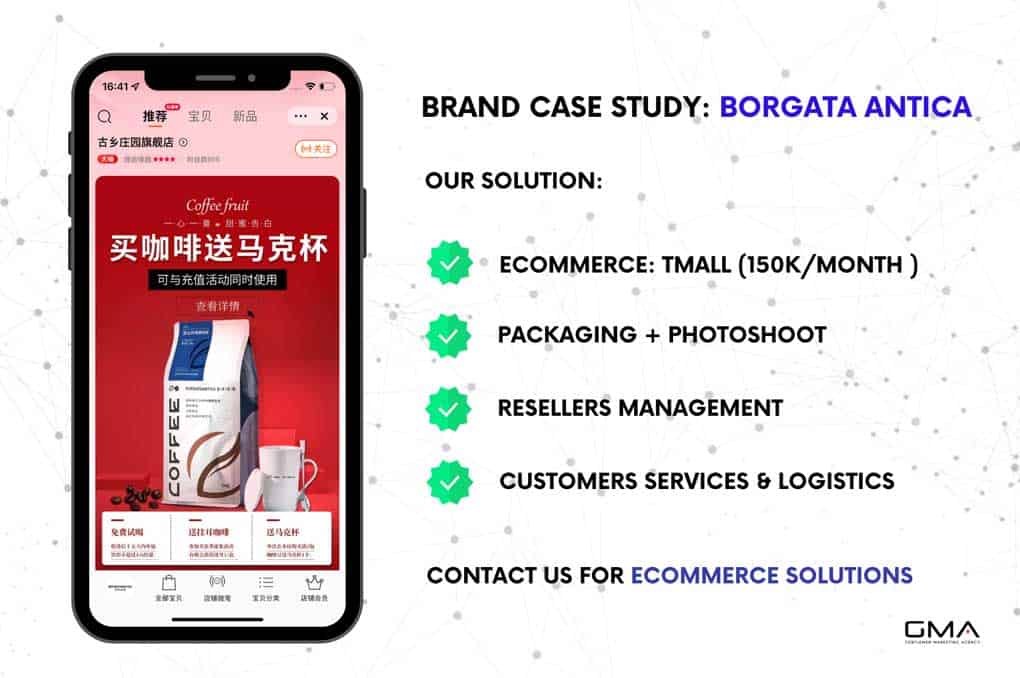
These years, a lot of food brands, coffee brands including, have chosen to take part in online sales as e-commerce is nowadays vital in China. This allows them to catch more customers.
For example, during the International Day of Coffee (at the end of each September), NESCAFE brand realized cooperation with Tianmao (a platform of e-commerce, popular for its good quality product and reliability for imported food).
They invited Li Yifeng, a very appreciate idol and actor amongst young ladies, to promote their coffee. A video filmed by a reverse camera featured the celebrity speaking to his audience, phrases like “The coffee taste well! Do you want it?” or “I miss … your coffee”. This campaign buzzed over the web and sales recorded after it went 20 times higher compared to daily sales.

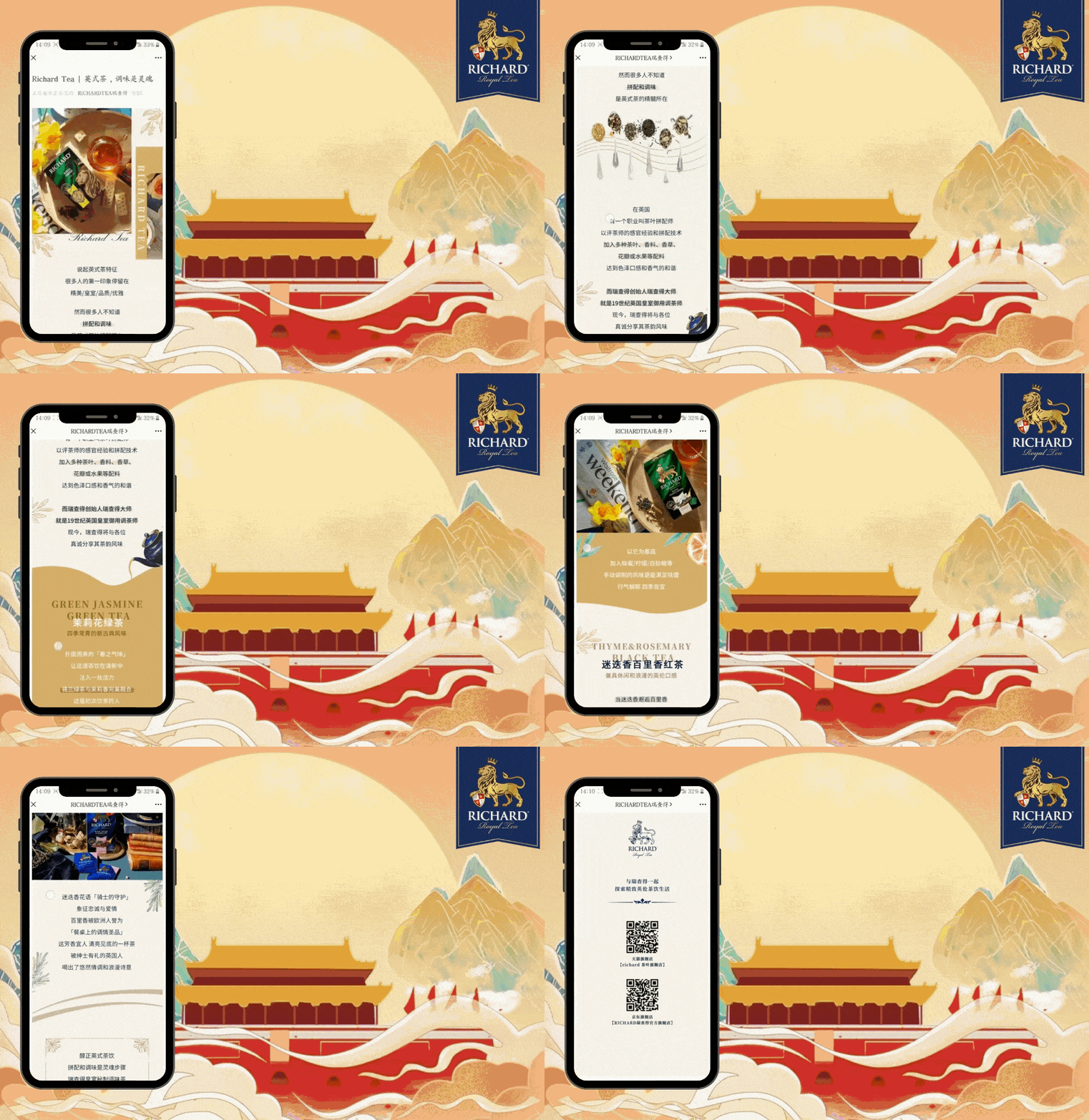
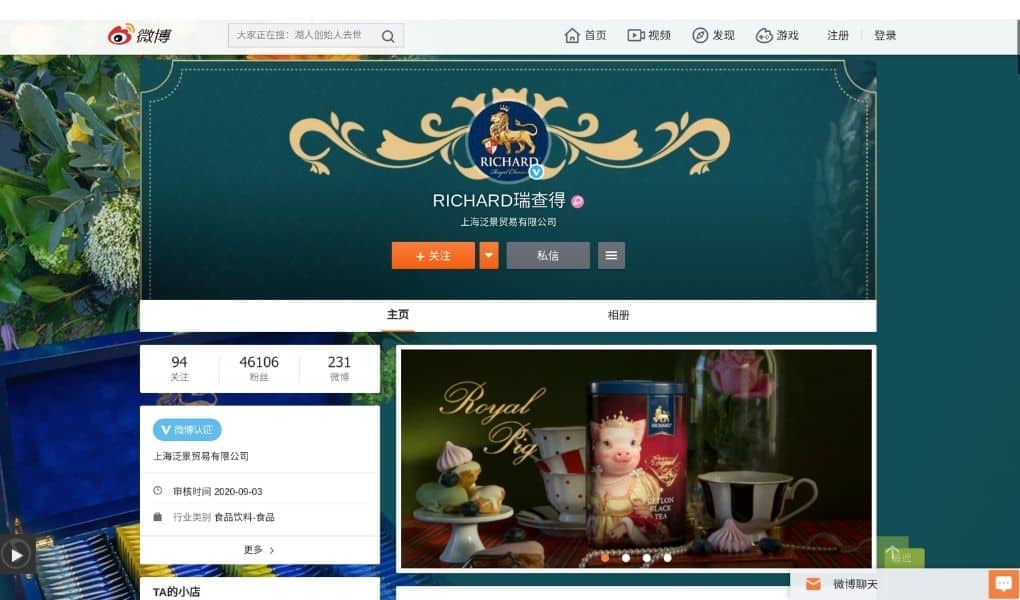
Richard Tea, a London-based English tea company, curates a diverse collection of black, green, and herbal teas from global plantations. With a nod to traditional English style, their blends artfully combine teas, herbs, and spices to create a nuanced taste spectrum.
GMA spearheaded Richard Tea’s digital marketing for China, devising potent strategies that yielded remarkable results. We adeptly managed their WeChat and Weibo accounts, upheld online reputation, optimized Baidu SEO, and engaged Key Opinion Leaders (KOLs).
The outcome: heightened sales, amplified brand awareness, and an enhanced reputation for Richard Tea in China.
Blend Your Success Story: Crafting a Unique Chapter in China’s Market with Us
In the vibrant landscape of the Chinese market, the paths to success in promoting tea and coffee are as diverse as the beverages themselves. By navigating the intricate threads of tradition, modernity, cultural resonance, and digital innovation, you can effectively connect with Chinese consumers and make your mark in this ever-evolving landscape. Whether you’re captivated by the elegance of tea or the allure of coffee, strategic marketing tailored to China’s unique dynamics is your recipe for triumph.
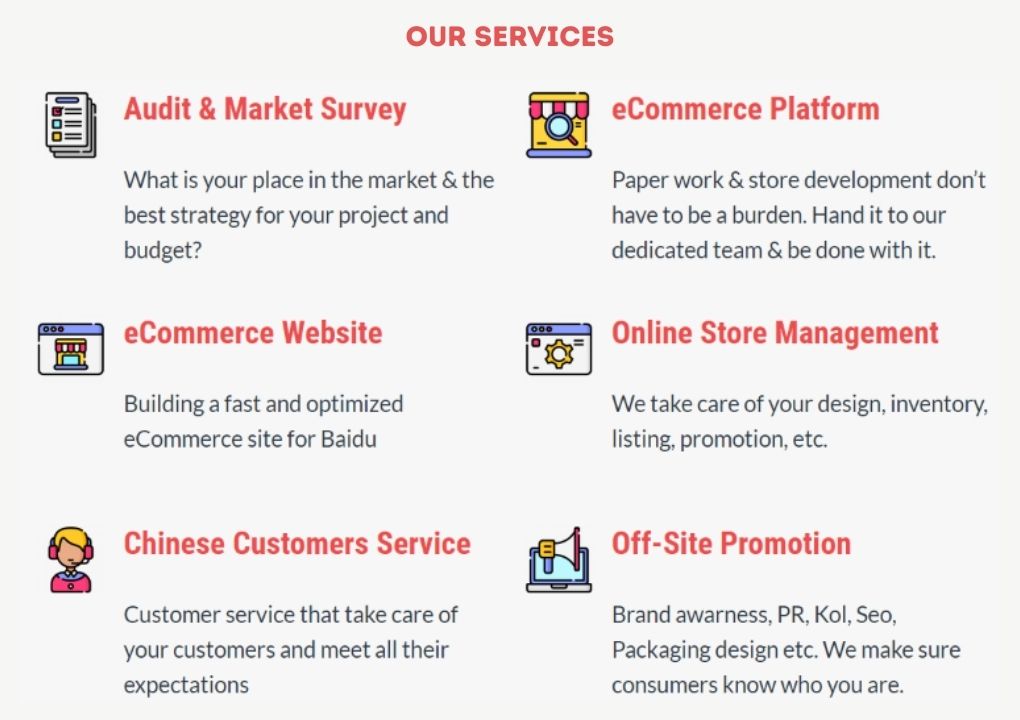
Are you eager to be a part of this burgeoning trend and harness the potential of this rapidly growing market? Our agency specializes in digital marketing in China, armed with the expertise to craft a strategy that seamlessly integrates with your brand’s essence. We understand the pulse of Chinese consumers, enabling us to navigate the intricacies of cultural preferences and evolving consumer behavior.
Our team is dedicated to not only understanding your brand but also weaving it into the fabric of China’s market. From conceptualizing engaging content that resonates with Chinese values to leveraging the power of digital platforms, we’re poised to propel your brand to new heights.
Reach out to us today and take the first step towards establishing your presence in China’s dynamic market. Whether you’re seeking to enter the world of tea, embrace the coffee culture, or simply explore the incredible possibilities this market offers, we’re here to guide you. Join us so that we can discuss your aspirations and tailor a strategy that brings your brand’s vision to life in the heart of China.
Embrace the journey and let’s embark on this exciting endeavor together!






Now Luckin Coffee is everywhere, their model of delivery store with max 2 tables allows them to blitz expand at cheaper costs. To be profitable with a coffee shop in China the best bet is to have a foreign image of high and selective quality, be different than mushrooming chains.